- New
- Pickup at nursery




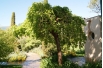
Weeping White Mulberry ‘Chaparral’: compact male tree with a regular weeping habit and no fruit, extremely hardy to –34 °C, ideal as a specimen near a terrace or in small gardens to create elegant shade and a graphic silhouette.
Description
The Weeping White Mulberry ‘Chaparral’ is an exceptional ornamental tree, highly valued for its perfectly regular weeping habit, which forms an elegant green dome from a young age. Unlike common mulberries, this cultivar is male and completely fruitless, ensuring a clean garden with no stains, no fallen berries and no seasonal maintenance. Its graceful, flexible branches cascade naturally to the ground, creating a strong architectural effect that immediately draws attention, even in small gardens. Thanks to its remarkable hardiness down to –34 °C, it thrives in very cold climates while maintaining steady growth and dense foliage. This compact tree is ideal for small gardens, terraces, entrances or any space that needs a sculptural, low‑maintenance focal point.
The genus Morus originates from East Asia, where it has been cultivated for thousands of years for wood, foliage and its role in sericulture. The ‘Chaparral’ cultivar is the result of modern horticultural selection aimed at achieving a stable weeping form and complete absence of fruiting. This hybrid origin gives it strong adaptability and natural resistance to challenging conditions.
Moraceae, a family that includes robust trees often used for shade and for their dense foliage. Species in this family are known for their tolerance of varied soils and their ability to adapt to contrasting environments.
‘Chaparral’ is a male mulberry, meaning it produces no fruit at all, a major advantage in areas where cleanliness is important. Its weeping form is naturally balanced and does not require complex training. Its exceptional hardiness makes it reliable in continental regions and mountainous areas.
The Weeping Mulberry ‘Chaparral’ reaches 2 to 3 m when grafted on a low stem, allowing its cascading crown to be fully appreciated without overwhelming the surroundings. This moderate height makes it suitable for small gardens, patios and courtyards. Its steady growth ensures a strong visual impact soon after planting.
The crown can spread 2.5 to 4 m, forming a dense and harmonious dome. This generous width creates a pleasant shaded area in summer while keeping the tree compact. The cascading branches form a natural green curtain that adds privacy and softness to the garden.
The tree has a weeping habit, with fine, flexible branches that naturally hang down to the ground. This architecture creates a waterfall‑like effect that remains decorative even in winter when the structure is visible. The form stays stable over the years without the need for heavy corrective pruning.
The bark is brown‑grey and becomes lightly fissured with age, giving a subtle yet elegant texture. Young shoots are smoother and lighter in colour, creating a pleasant contrast with older branches. In winter, the bark highlights the tree’s graphic silhouette.
The foliage is deciduous, composed of large, medium‑ to dark‑green leaves that are sometimes slightly lobed. Their thick texture and density provide cool, pleasant shade beneath the crown. In autumn, the leaves turn bright yellow before falling.
Growth is moderate, allowing the tree to shape itself quickly without ever becoming invasive. This controlled vigour makes maintenance easy and ensures a harmonious silhouette. The cultivar adapts well to poor or dry soils, increasing its versatility.
The Weeping Mulberry ‘Chaparral’ withstands temperatures down to –34 °C, making it one of the hardiest ornamental trees available. This exceptional resistance allows it to thrive in cold regions and continental climates. It also tolerates wind and harsh conditions once established.
Flowering appears in April as small, discreet catkins. They are barely noticeable because they are not the tree’s main ornamental feature.
The flowers are small greenish catkins, typical of the Morus genus, with no decorative value. They are, however, a sign of vitality and good health.
This cultivar is male and produces no fruit, eliminating stains, insects and mess entirely. This makes it ideal for terraces, driveways and public spaces.
Wildlife value:
Although the tree offers little nectar, its dense crown provides natural shelter for birds. The cascading structure creates a micro‑habitat appreciated by small wildlife.
The Weeping Mulberry ‘Chaparral’ prefers full sun, where its foliage becomes denser and its form more regular. It also tolerates light partial shade, but too much shade reduces branch vigour. A bright, open location ensures balanced development.
Loosening the soil deeply and enriching it with mature compost promotes root development and vitality. The soil must be well‑drained to prevent root suffocation, especially in winter. Organic matter encourages steady growth without excessive vegetation.
Allow 3 to 4 m between trees so the crown can fully expand. This spacing ensures good air circulation and prevents root competition.
The Weeping Mulberry ‘Chaparral’ tolerates a wide range of soils, including poor, dry, calcareous or slightly acidic soils. It prefers well‑drained soil, as stagnant moisture can damage the roots. Its high tolerance makes it an easy tree to grow.
Place the rootball at collar height, firm lightly and water generously to encourage establishment. A layer of organic mulch helps retain moisture and protect the roots. Planting in a large container is also possible.
Regular watering during the first year promotes a deep and strong root system. Constant but not excessive moisture is ideal for establishment. Mulching reduces evaporation and stabilises soil temperature.
Once established, the tree requires low to moderate watering and tolerates drought well. During extreme heat, occasional watering improves vitality.
Prune in late winter by removing damaged or awkward branches. Light pruning is enough to maintain the dome shape without disturbing the natural structure. Heavy pruning can unbalance the form and is not recommended.
Grafting onto Morus alba is the most reliable method to preserve the cultivar’s weeping habit. Cuttings are possible but do not guarantee trait fidelity.
The Weeping Mulberry ‘Chaparral’ is perfect as a specimen tree, near a terrace, along a garden path or in a small garden needing structure. Its parasol‑like form creates a strong focal point and provides gentle shade. It also fits beautifully into modern gardens thanks to its graphic appearance.
It pairs well with ornamental grasses, hostas, groundcover roses and light perennials that contrast with its cascading mass. Plants with light or silver foliage highlight its silhouette particularly well.
The Morus genus is historically linked to silkworm cultivation, but the ‘Chaparral’ cultivar is used exclusively as an ornamental tree. It is valued for its shade and its ability to structure a space without heavy maintenance. Its cleanliness and fruitlessness make it ideal for high‑traffic areas.
The Weeping Mulberry ‘Chaparral’ may be susceptible to aphids, scale insects, and leaf spot, especially in humid conditions. Good air circulation and well‑drained soil reduce these risks. Serious diseases are rare thanks to its natural robustness.
Mulching, sanitary pruning, and moderate watering are usually enough to keep the tree healthy. In case of infestation, black soap or plant‑based treatments are effective and environmentally friendly.
A sunny location, well‑drained soil, and regular watering during the first year ensure optimal growth. Light annual pruning helps maintain the weeping form and prevents branches from touching the ground. Mulching protects the roots and limits weed competition.
‘Chaparral’ stands out for its complete absence of fruit, its perfectly regular weeping habit, and its exceptional hardiness. Unlike common mulberries, it remains compact and clean, making it ideal for high‑traffic areas. The selection focuses on aesthetics, ease of maintenance and structural stability.
The Weeping White Mulberry ‘Chaparral’ is a fruitless ornamental tree with a regular weeping habit, ideal for clean and structured gardens. Its exceptional hardiness down to –34 °C makes it reliable in cold climates. Compact and decorative, it provides strong architectural value even in small spaces.
Shipping & delivery
 As soon as you place your order your plants are selected
 Each order is processed individually.
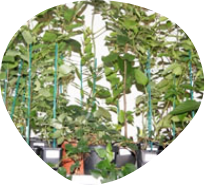 Plants are packed, staked and labeled.
 Packaging is carefully implemented to avoid any problems.
 Packages are ready to be shipped.
We ship our plants throughout Europe (excluding overseas territories and islands).
Avis clients


Weeping White Mulberry ‘Chaparral’: compact male tree with a regular weeping habit and no fruit, extremely hardy to –34 °C, ideal as a specimen near a terrace or in small gardens to create elegant shade and a graphic silhouette.
Your cart is empty
Continue shopping