








Purslane Green is a crunchy, tangy and highly nutritious leafy vegetable, rich in omega‑3 and perfect for hot climates. Easy to grow, fast‑producing and ideal for dry, sunny gardens throughout summer.
Description
Purslane Green is an ancient leafy vegetable known for its thick, crunchy leaves and refreshing, slightly tangy flavour. Exceptionally rich in natural omega‑3, vitamins and minerals, it is one of the most nutritious edible plants in the garden. Its fast growth, heat resistance and ability to thrive in poor soils make it ideal for both beginners and experienced gardeners. In the kitchen, purslane is highly versatile: eaten raw in salads, lightly sautéed, added to soups or incorporated into Mediterranean dishes. Its lemony freshness brings a unique touch to summer meals. The plant grows quickly, often self‑seeds and provides abundant harvests throughout the warm season. Thanks to its simplicity, nutritional value and decorative appearance, Purslane Green deserves a prominent place in modern gardens. It also acts as an excellent living mulch, protecting the soil from heat and evaporation.
Purslane originates from warm regions of Asia and the Mediterranean, where it has grown naturally for thousands of years. Its adaptability allowed it to spread across the world and become a valued edible plant. Today, it is cultivated in home gardens as well as professional vegetable plots.
It belongs to the Portulacaceae, a family of succulent plants capable of storing water in their tissues. This trait explains its remarkable drought tolerance and preference for sunny, warm conditions. Members of this family are known for rapid growth and ease of cultivation.
Purslane typically reaches 10 to 20 cm in height, forming a low, spreading plant. This compact habit makes it an excellent ground cover that suppresses weeds. Its small size also makes harvesting and maintenance very easy.
The plant has a creeping, highly branched growth pattern, forming dense mats. Its fleshy stems spread outward and may root at several points, increasing its vigour. This habit allows it to cover large areas quickly and efficiently.
The leaves are oval, thick and fleshy, with a glossy green colour. Their crisp, juicy texture is highly appreciated in salads and fresh dishes. They naturally contain omega‑3 fatty acids, making purslane a particularly nutritious vegetable.
Purslane has smooth, succulent stems that may be green or reddish, storing water for dry periods. Its small yellow flowers open only in full sunlight, reflecting its Mediterranean origins. The plant self‑seeds easily and often returns year after year.
Sow from May to August, when temperatures are warm enough for rapid germination. Purslane thrives in heat and sun, making summer the ideal season for cultivation. Successive sowings ensure continuous harvests.
Optimal germination occurs between 20 and 30°C, ensuring quick and even sprouting. Warmth is essential for successful germination. Seeds germinate best when exposed to light.
Seeds germinate in 5 to 12 days, depending on temperature and moisture. Fast germination indicates ideal growing conditions. Once established, the plant grows rapidly and spreads efficiently.
Sow on the surface or no deeper than 2–3 mm, as the seeds are very fine. Space plants 20 to 25 cm apart to allow proper spreading. This spacing ensures a healthy, uniform ground cover.
Purslane prefers light, well‑drained and poor soil, making it perfect for dry gardens. It tolerates sandy and rocky soils extremely well. Excess fertility can reduce flavour and leaf texture.
Choose full sun, as heat enhances both growth and flavour. In shade, the plant becomes softer and less productive. Purslane is one of the most drought‑resistant leafy vegetables.
Thin seedlings when they reach 3 to 4 cm, keeping the strongest plants. This ensures dense, even growth. Proper thinning improves leaf quality.
Purslane requires very little water, but light, regular watering improves tenderness. Its succulent tissues allow it to withstand drought easily. Excess moisture may weaken the stems.
No pruning is required, but pinching the tips encourages branching. This results in a fuller, more productive plant. Remove damaged stems to maintain healthy growth.
Purslane is naturally resistant to most diseases thanks to its succulent structure. Good drainage and airflow are usually sufficient to prevent issues. Avoid excessive moisture to prevent rot.
Harvest 6 to 8 weeks after sowing, then regularly throughout summer. The plant regrows quickly after each cut. Frequent harvesting encourages new shoots.
Purslane is ready when stems are thick and leaves fully developed. Young shoots are the most tender and flavourful. Harvest in the morning for maximum freshness.
A square metre can produce 1 to 2 kg of purslane depending on conditions. Its rapid growth allows multiple harvests per season. This makes it a highly productive crop for small gardens.
Purslane keeps 2 to 4 days in the refrigerator when wrapped in a damp cloth. It can also be frozen after blanching. Fresh consumption ensures the best flavour and texture.
Purslane is ideal for dry areas, borders and difficult spots. It covers the soil quickly and suppresses weeds. It fits perfectly into Mediterranean‑style gardens.
It pairs well with tomatoes, peppers, eggplants and basil, which enjoy similar warm conditions. Its low growth does not compete with taller vegetables. It also helps retain soil moisture.
Purslane can be grown in the same spot each year due to its low nutrient needs. Light rotation can still help maintain soil balance. It follows spring crops particularly well.
Purslane has a fresh, slightly tangy flavour that enhances summer dishes. Its crisp texture adds contrast to salads. It remains tender even in hot weather.
It can be eaten raw, sautéed, added to soups or used in Mediterranean recipes. Its lemony notes pair well with tomatoes and cucumbers. It can also replace spinach in warm dishes.
For a refreshing salad, combine purslane with lemon, olive oil and fresh herbs. Add it at the end of cooking to preserve its crunch. Young shoots offer the best flavour.
Purslane attracts pollinators with its small yellow flowers. Its ground‑covering habit protects soil from erosion and heat. It is an excellent choice for natural and drought‑tolerant gardens.
Purslane was already consumed in ancient times for its medicinal and nutritional properties. It is one of the richest plant sources of omega‑3. Its recent rediscovery has made it popular again in modern gardens.
It grows very well in pots, containers and urban gardens thanks to its low water needs. In permaculture, it is used as a living mulch. Its rapid growth makes it ideal for summer cultivation.
Purslane Green is a resilient, nutritious and easy‑to‑grow vegetable perfectly suited to modern gardens. Its rapid growth, unique flavour and drought tolerance make it highly valuable. It brings freshness, diversity and vitality to both garden and kitchen.
Shipping & delivery
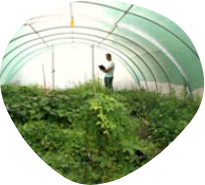 As soon as you place your order your plants are selected
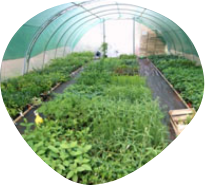 Each order is processed individually.
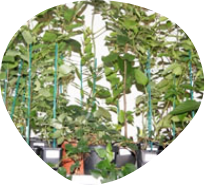 Plants are packed, staked and labeled.
 Packaging is carefully implemented to avoid any problems.
 Packages are ready to be shipped.
We ship our plants throughout Europe (excluding overseas territories and islands).
Avis clients







Purslane Green is a crunchy, tangy and highly nutritious leafy vegetable, rich in omega‑3 and perfect for hot climates. Easy to grow, fast‑producing and ideal for dry, sunny gardens throughout summer.
Your cart is empty
Continue shopping