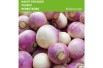








Turnip De Nancy: a heritage French variety with round white roots and a pink crown. Mild, tender and fast‑growing, it is easy to cultivate and ideal for productive gardens from spring to autumn.
Description
The Turnip De Nancy is a traditional French variety known for its round white root topped with a pink to red crown. Its tender, mildly sweet flesh makes it suitable for both raw and cooked dishes. Fast‑growing, productive and easy to cultivate, it is ideal for gardeners of all experience levels. This heritage variety is valued for its reliability, uniform shape and adaptability to different soils. It can be grown from spring to autumn, providing a steady harvest throughout the season. In the kitchen, its gentle flavour and attractive two‑tone appearance make it a versatile and family‑friendly vegetable.
This turnip originates from long‑standing French gardening traditions, especially in the eastern regions. Over generations, growers selected roots that were flavourful, regular and well adapted to temperate climates. It has become a classic in home gardens thanks to its simplicity and dependable growth.
Turnip De Nancy belongs to the Brassicaceae, which includes cabbages, radishes, rutabagas and mustards. This family is known for robustness, rapid growth and adaptability. The Nancy variety shares these traits, making it particularly easy to grow.
Plants reach 25–40 cm, with upright, vigorous foliage. This moderate height ensures good airflow and reduces disease risks. It is well suited to small gardens and raised beds.
The plant forms a rosette of green leaves that protect the developing root. The root is round, white and topped with a pink‑red crown. This regular growth habit makes harvesting easy and uniform.
Leaves are bright green, slightly rough and carried by sturdy petioles. They support efficient photosynthesis and rapid root development. Young leaves can also be eaten as turnip greens.
The root is smooth, round and uniform, making it easy to prepare. Its white flesh is tender, juicy and low in fibre. The coloured crown is a distinctive and attractive feature.
Sow from March to September, depending on the desired harvest time. Spring sowings produce mild roots, while late summer sowings give firmer turnips. Avoid extreme heat to prevent bolting.
Optimal germination occurs between 12–20°C, ensuring quick and even emergence. Regular moisture supports successful sprouting.
Seeds germinate in 5–10 days, depending on soil temperature and humidity. Rapid emergence indicates well‑prepared soil.
Sow at 1 cm depth, with rows spaced 25–30 cm apart. Thin to 10–15 cm between plants for well‑formed roots.
Turnips prefer light, fresh, humus‑rich and well‑drained soil. Dry soil produces fibrous roots, while heavy soil slows growth. Compost improves structure and yield.
Choose full sun or light partial shade, especially in summer. Good light ensures rapid and even growth.
Thin seedlings at the 3–4 leaf stage, keeping the strongest plants. This ensures round, uniform roots.
Water regularly to maintain cool, moist soil. Irregular watering can cause sharp or fibrous roots.
No pruning is required. Remove damaged leaves to improve airflow and reduce disease risks.
Protect young plants from flea beetles with insect netting. A 3‑year crop rotation reduces soil‑borne diseases. Water at the base to avoid fungal issues.
Harvest 6 to 10 weeks after sowing, depending on the season and growing conditions. Young turnips are especially tender and offer the mildest flavour. Regular harvesting encourages continuous production and maintains root quality throughout the season.
A turnip is ready when the root reaches 5–8 cm in diameter and shows a smooth, brightly coloured skin. Roots that grow too large tend to become fibrous and lose their delicate sweetness. Checking the size regularly ensures harvesting at the perfect stage.
A square metre typically produces 3–5 kg of turnips, depending on soil fertility and watering consistency. Well‑spaced plants and a nutrient‑rich soil improve both size and uniformity. This makes Turnip De Nancy a productive choice for small and large gardens alike.
Store turnips in a cool, dark place or in a slightly humid cellar. They also keep very well in the refrigerator for several days without losing firmness. For longer storage, remove the leaves to prevent moisture loss and preserve freshness.
Turnips fit easily into spring and autumn beds, making them ideal for crop rotation. They require little space and can be grown along borders or between slower‑growing vegetables. Their rapid cycle allows efficient use of garden space throughout the year.
They pair well with peas, lettuce, onions and spinach, which do not compete for the same nutrients. Avoid planting them near other Brassicaceae to reduce disease risks. Good companions help maintain soil balance and support healthy growth.
Wait 3 years before planting turnips again in the same spot to prevent soil‑borne diseases. They follow fruiting crops or legumes particularly well, as these enrich the soil. Proper rotation ensures long‑term soil health and consistent yields.
Turnip De Nancy has a mild, slightly sweet flavour with a tender, melting texture. Young roots are especially delicate and pleasant to eat. Their subtle taste makes them suitable for both simple and refined dishes.
They can be eaten raw, grated or sliced, or cooked in soups, purées, stews and stir‑fries. Their sweetness pairs beautifully with white meats and slow‑cooked dishes. They also work well roasted, glazed or sautéed.
For a gentler flavour, blanch the turnips briefly before roasting them with honey, thyme or olive oil. This enhances their natural sweetness and creates a soft, aromatic side dish. It is a simple technique that elevates their culinary potential.
Turnips contribute to garden biodiversity and attract beneficial insects. Their fast growth makes them ideal as a catch crop between two main plantings. They also help keep the soil active and protected throughout the season.
Turnip De Nancy is a heritage variety cherished for generations in family gardens. Its reliability, gentle flavour and attractive appearance have ensured its continued popularity. It remains a symbol of traditional French vegetable gardening.
Turnips grow very well in containers, raised beds and permaculture systems. Their short cycle makes them perfect for intensive or small‑space gardening. They adapt easily to urban gardens and balcony setups.
Turnip De Nancy is easy, productive and delicious, making it an excellent choice for any garden. Its rapid growth, mild flavour and versatility in the kitchen make it a favourite among home gardeners. It provides regular harvests from spring to autumn and brings a traditional, colourful touch to the vegetable patch.
Shipping & delivery
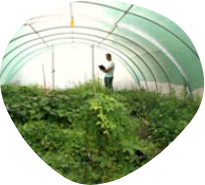 As soon as you place your order your plants are selected
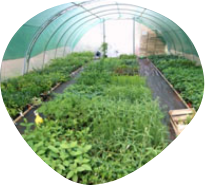 Each order is processed individually.
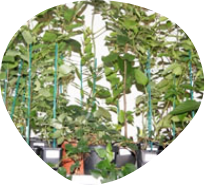 Plants are packed, staked and labeled.
 Packaging is carefully implemented to avoid any problems.
 Packages are ready to be shipped.
Expédition de nos plantes dans toute l'Europe (sauf en outre mer et les îles).
Avis clients


Turnip De Nancy: a heritage French variety with round white roots and a pink crown. Mild, tender and fast‑growing, it is easy to cultivate and ideal for productive gardens from spring to autumn.
Your cart is empty
Continue shopping