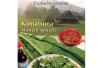








The turbo vegetable of the patch! Ready in 30 days, Mustard Spinach (Komatsuna) grows all year round. Tender like spinach, zesty like mustard: wake up your woks and salads with this fail-safe Japanese gem!
Description
If you are looking for a vegetable capable of producing almost all year round, that is ultra-fast and delicious, Komatsuna is the rare gem of the Orient. Although called "Mustard Spinach," it is not a spinach in the botanical sense, but a cousin of cabbage and turnip. Native to Japan, it has been cultivated there for centuries for its robustness and unique flavour.
This vegetable combines the best of both worlds: the tender, melting texture of spinach with a hint of mustard character. Raw, it brings a refreshing pungency to salads; cooked, it becomes mild, almost sweet, and does not reduce as much as classic spinach. It is a star of permaculture because it is incredibly hardy: it withstands summer heat that causes other leafy greens to bolt, while braving winter frosts without flinching. Its growth is so lightning-fast that you can expect a first harvest only 30 days after sowing. It is the ideal vegetable to fill empty gaps in the patch and ensure a constant source of vitamins from early spring to the heart of winter.
Komatsuna takes its name from the Komatsugawa River in Tokyo. Legend has it that in the 18th century, during a hunting trip, Shogun Tokugawa Yoshimune was so captivated by this vegetable served in a local temple that he named it after the nearby village, Komatsu. Since then, it has become a staple of Japanese cuisine.
It belongs to the large Brassicaceae family (formerly Crucifers). It is a close relative of Pak Choi and turnip, which explains its vigorous growth and natural resistance.
In the harvest phase, it generally measures between 20 and 35 cm. If left to go to seed, its flower stalk can reach 60 to 80 cm.
Komatsuna has an upright rosette habit. Unlike spinach, which sometimes spreads on the ground, its leaves grow vertically, which keeps them clean and makes picking much easier.
The leaves are broad, oval, and rounded at the tip, resembling the shape of a spoon. They sport a deep, glossy green colour.
The stems are fleshy, crunchy, and full of sap. They remain tender even when the leaf grows large, offering a prized texture contrast in cooking.
This is an "all-terrain" vegetable that can be sown from May to early September. Germination is optimal between 15°C and 22°C, but can start as low as 10°C.
It is a true sprinter: the first shoots appear in just 3 to 5 days. Sow seeds at a depth of no more than 1 cm.
Provide rows spaced 25 to 30 cm apart. Sow thinly in the row to avoid too much competition from the start.
Komatsuna appreciates nitrogen-rich, cool soil with plenty of humus. Standard garden soil enriched with well-rotted compost suits it perfectly. The ideal pH is neutral to slightly alkaline.
It likes full sun in spring and autumn. However, during the hot months of July and August, a partial shade exposure is preferable to prevent the foliage from becoming too spicy.
As soon as the plants have formed two true leaves, thin out to leave only one plant every 15 cm. The removed young shoots are delicious in salads.
Watering must be regular and constant. Water stress (dry soil) is the main factor for early bolting and makes the leaves more fibrous.
Like all brassicas, Komatsuna can attract flea beetles. Keep the foliage moist with light misting or use fine-mesh insect netting to keep them away.
It is quite resistant, but be careful not to wet the foliage too much in the evening to avoid downy mildew. Well-drained soil will prevent root rot.
You can harvest "baby leaves" after 25 to 30 days. For mature plants, count on about 50 days.
You can cut the whole plant at the base, but the most productive method is to harvest leaf by leaf from the outside. As long as the heart is preserved, the plant will continue to produce new leaves.
Mustard spinach is best consumed fresh. It keeps for 3 to 4 days in the fridge crisper drawer in a damp cloth. For long storage, it can be blanched for 2 minutes and then frozen.
Raw, Komatsuna has a fresh mustard flavour, slightly peppery. Once cooked, this strength disappears, leaving a mild, green taste more complex than spinach.
It is the king of the wok. Sautéed with a dash of sesame oil, garlic, and ginger, it retains its crunch. It is also added to miso soups or broths at the end of cooking.
The stems are the best part! Cut them into small pieces and sauté them first, before the leaves, to achieve a perfect balance between tender and crunchy.
Mustard Spinach Komatsuna is the ideal plant for anyone wanting a productive garden without complications. Its growth speed, climate resistance, and kitchen versatility make it a must-have.
Shipping & delivery
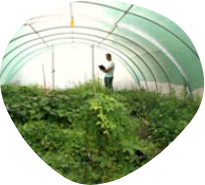 As soon as you place your order your plants are selected
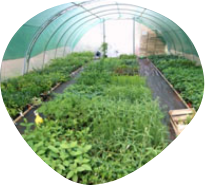 Each order is processed individually.
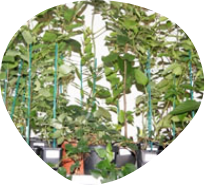 Plants are packed, staked and labeled.
 Packaging is carefully implemented to avoid any problems.
 Packages are ready to be shipped.
Expédition de nos plantes dans toute l'Europe (sauf en outre mer et les îles).
Avis clients




The turbo vegetable of the patch! Ready in 30 days, Mustard Spinach (Komatsuna) grows all year round. Tender like spinach, zesty like mustard: wake up your woks and salads with this fail-safe Japanese gem!