Strawberry Grandian - Fragaria × ananassa
Introductory Summary
The Strawberry Grandian is a small revolution for the amateur gardener: it offers the rare and rewarding possibility of growing large strawberries directly from seed. Unlike classic alpine strawberries grown from seed which yield small fruits, this F1 hybrid variety combines the vigour of a robust plant with the generosity of "garden quality" fruits, often reaching 3 cm in diameter. It is an everbearing variety, meaning it flowers and fruits multiple times throughout the season, ensuring staggered harvests from summer until the first frosts.
In terms of taste, Grandian does not disappoint: it produces conical, deep red fruits with firm, juicy, and very sweet flesh, boasting a powerful aromatic scent. Growing it is a fun and economical experience, allowing you to obtain healthy, vigorous, virus-free plants. Ideal for the vegetable patch as well as for container gardening on a balcony, it promises an abundance of fruit from the very first year if sown early. It is the perfect choice for those who want to master their production from A to Z.
Origins and Botanical Family
Geographical Origin
Although the garden strawberry (Fragaria × ananassa) is the result of a historical cross between American species created in Brittany in the 18th century, the Grandian F1 variety is a modern horticultural achievement (often of German or Dutch origin), selected for its ability to reproduce faithfully by seed.
Botanical Family
It belongs to the large Rosaceae family, just like the apple tree, pear tree, or rose bush.
Historical Particularities
The strawberry is unique in botany: what we eat is a "false fruit" (the fleshy floral receptacle), the real fruits are the small yellow specks (achenes) on its surface.
Botanical Description and Characteristics
Mature Height
It is a perennial herbaceous plant forming a compact clump 20 to 30 cm high.
Habit
It has a spreading rosette habit. Unlike some seed varieties, Grandian produces runners (stolons), allowing it to spread or produce new plants.
Foliage Description
The leaves are trifoliate (with three leaflets), serrated, bright green, and evergreen. They form a protective dome for the fruits.
Other Morphological Particularities
The flowers are white with a yellow center, typical of Rosaceae, and appear continuously on the floral stems throughout the warm season.
Sowing and Culture Conditions
Ideal Sowing Period
Sow in warmth (indoors or heated greenhouse) from January to March for a harvest in the first year.
Ideal Germination Temperature
Seeds need a constant temperature of about 20°C to 22°C to germinate. A trick is to place the seeds in the refrigerator for 15 days before sowing to break dormancy.
Germination Time
Germination is slow and can take from 14 to 30 days. Be patient!
Sowing Depth and Spacing
Sow on the surface on fine seed compost, as the seed needs light to germinate. Press down lightly without covering with soil. Space final plants 30 to 40 cm apart.
Recommended Soil Type
Strawberries prefer soil rich in humus, cool, light, and slightly acidic. They dread limestone and heavy clay soils that retain water in winter.
Ideal Exposure
Install in full sun to ensure very sweet fruits.
Water Requirements
Watering must be regular but not excessive, especially when the fruits are swelling. The soil must remain cool.
Maintenance and Care
Pruning or Pinching
Remove runners if they are too numerous so as not to exhaust the mother plant, unless you want to propagate the plant.
Disease Prevention
Mulch the soil with straw or flax as soon as flowering begins. This keeps the fruits clean, maintains moisture, and prevents direct contact with the soil, thus limiting grey mold (Botrytis).
Wintering
Clean the plants at the end of autumn by removing dry leaves. The plant is very hardy and tolerates cold well.
Harvest
Harvest Period
If sown early, harvest begins in July of the first year. In subsequent years, it extends from June to October.
Recognizing Maturity
The strawberry must be completely red, including under the calyx (the green collar). A picked strawberry does not ripen further.
Average Yield
The variety is very productive. Expect about 500g to 1kg of fruit per plant per season under good conditions.
Storage Method
Strawberries are fragile. Keep them for a maximum of 24 to 48 hours in the refrigerator, unwashed and hulled only when serving.
Garden Usage
Placement in the Vegetable Garden
Ideal at the edge of a bed, in raised beds, or in container culture (tubs, pots, hanging gutters).
Beneficial Plant Associations
Strawberries appreciate the company of garlic, onion, or shallot, which protect them from fungal diseases. Borage attracts indispensable pollinators.
Crop Rotation
It is advisable to move strawberries every 3 or 4 years, as they deplete the soil and become less productive.
Culinary Uses
Flavor
Grandian offers an excellent sugar-acidity balance with melting flesh.
Ways to Cook
Delicious plain, just picked. It also excels in tarts, fruit salads, jams, or coulis.
Tip or Typical Recipe
Try them as carpaccio with a drizzle of olive oil, chopped fresh basil, and a twist of black pepper to enhance their fragrance.
Ecology, Curiosities, and Assets
Ecological Interest
Its nectar-rich flowers attract bees and bumblebees from early in the season until the frosts.
Anecdote or Curiosity
The name "strawberry" might come from "strewn berry" referring to the runners strewn across the ground, or the straw mulch used.
Balcony Growing
It is the queen variety for balconies: in a planter, it is as decorative as it is gourmet.
Why this vegetable deserves a place in the garden
Strawberry Grandian is proof that you can get professional fruit from a simple packet of seeds. Its exceptional vigor, disease resistance, and the generous size of its fruits make it a safe bet, much more economical than buying potted plants.



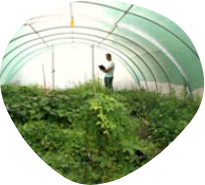 As soon as you place your order your plants are selected
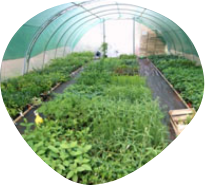 Each order is processed individually.
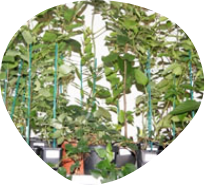 Plants are packed, staked and labeled.
 Packaging is carefully implemented to avoid any problems.
 Packages are ready to be shipped.