







Pop Corn Maize — Zea mays: popping kernels for homemade popcorn, playful and educational garden crop, easy sowing, long storage and versatile seasoning options.
Description
Pop Corn Maize is a specialized variety of Zea mays bred for its popping kernels, which produce a light, crispy snack without additives when heated. This annual cereal is grown like field corn and is characterized by hard kernels with a durable pericarp and a starchy core that transforms into a white, airy foam under heat. In the vegetable garden, Pop Corn adds a playful and educational element: it demonstrates the physical transformation of grain into a ready-to-eat snack while providing a storable product in the form of dried kernels. Culinary uses range from sweet to savory preparations, and the dried kernels are convenient for retail in packets or for home use. When integrated into crop associations and rotations, Pop Corn can support local biodiversity and serves as an accessible cereal crop for novice growers.
Pop Corn traces back to maize varieties domesticated in Central and South America, where centuries of farmer selection created a wide diversity of corn types. These lineages were later adapted to various climates, producing specialized types such as popping corn.
Belongs to the Poaceae family, genus Zea, which includes cultivated cereals. As a cereal crop, maize shares life cycle traits and agronomic needs with other grasses.
Popping corn has a long history of food and ceremonial use among Indigenous peoples of the Americas, where it was eaten, offered in rituals, and sometimes used decoratively. Today it is a global cultural product associated with leisure and convivial moments.
Pop Corn plants typically reach 1.5–2.5 m depending on variety and growing conditions, with upright habit and sturdy stalks. Plants are usually grown in compact rows that facilitate manual or mechanical harvest.
Leaves are long, ribbon-like and alternate, providing efficient photosynthesis and partial soil shading to reduce evaporation. Healthy foliage supports well-filled kernels and reduces water stress.
Maize is monoecious with male tassels at the top and female ears along the stem. Pop Corn kernels are small, hard and thick-pericarped, with a vitreous endosperm and a starchy core that enables popping.
Sow outdoors after the last frosts when soil is warm, typically from late April to June depending on region. Staggered sowing can extend harvest and spread workload.
Germination is optimal between 15–25 °C; cool soils delay emergence and increase rot risk. Warm soil promotes rapid and uniform emergence.
Emergence usually occurs within 7–14 days depending on temperature and soil moisture. Warm, well-prepared seedbeds shorten emergence time and improve seedling vigor.
Sow at 3–5 cm depth; space plants 20–30 cm within rows and 70–90 cm between rows to ensure good aeration and ear filling. Proper spacing reduces competition and promotes well-formed kernels.
Prefer deep, fertile, well-drained soils rich in organic matter and nutrients. A neutral to slightly acidic pH (6.0–7.0) is ideal for nutrient uptake.
Full sun is essential for optimal photosynthesis and kernel maturation. Sheltered sites reduce lodging risk and improve pollination success.
Thin dense stands at emergence to keep the most vigorous plants and respect recommended spacing. Thinning improves air circulation and light penetration, enhancing ear quality.
Provide regular deep watering during growth and especially during kernel formation; avoid water stress at flowering and grain fill. Excessive late-season moisture can impair storage quality.
Maize does not require pruning, but remove diseased or weak plants to concentrate resources on healthy specimens. Keeping the soil clean around stalks limits weed competition.
Staking is uncommon, but wind protection may be useful in exposed areas to prevent lodging. Hedges or nets can reduce mechanical damage.
Practice crop rotation, avoid prolonged monocultures and encourage diversity to limit pests and diseases. Use preventive cultural measures: shallow soil work, destruction of infected residues, healthy seed, and biological control of insects.
Harvest for popping kernels typically occurs 90–140 days after sowing depending on variety and climate. Kernels must reach physiological maturity and be sufficiently dry for safe storage.
Kernels are mature when the plant yellows and dries, silks and leaves turn brown, and kernels show characteristic color and firmness. A simple test is to pop a few kernels: good popping indicates proper maturity and drying.
Yield varies widely with variety, fertility and practices; in amateur cultivation several hundred grams of dry kernels per plant are achievable under favorable conditions. Yield per m² depends on plant density and vigor, but appropriate density optimizes production.
After harvest, dry ears in a well-ventilated, dry place until kernel moisture falls below 14%. Store kernels in airtight, dry containers away from light to preserve popping ability and prevent deterioration.
Plant maize in blocks or rows at the center of the vegetable plot to take advantage of its height and microclimate effects. Avoid low, wet sites that delay maturation and increase disease pressure.
Maize fits well in traditional associations (maize, beans, squash) where beans fix nitrogen and squash cover the soil. These associations promote biodiversity, reduce erosion and optimize space use.
Do not plant maize in the same spot year after year; alternate with legumes and root crops to restore fertility. Compost application before the next crop helps rebuild organic matter.
Popped kernels offer a neutral to slightly nutty flavor and an airy, crunchy texture that suits many seasonings. This makes popcorn a versatile snack for simple or elaborate flavorings.
Pop kernels in a pan, popcorn machine or microwave and season with salt, sugar, spices, butter or flavored oils. Kernels can also be ground into coarse flours or used decoratively in dishes.
Simple recipe: heat 1 tablespoon oil in a pan, add 80 g kernels, cover and shake until popping ceases; lightly salt and finish with hazelnut oil for a gourmet touch.
Maize supports biodiversity when grown in association and can provide shelter for many beneficials. Well-managed maize cultivation fits into diversified agroecological systems.
Pop Corn is one of the few foods whose transformation (popping) is immediate and spectacular, making it popular for education and entertainment. This trait has contributed to its cultural appeal.
In permaculture, maize fits into guilds with legumes and groundcovers; dwarf varieties can be grown in large containers on balconies, and greenhouse culture can advance the season.
Pop Corn Maize deserves a place in the garden for its playful nature, storability and culinary versatility. It integrates easily with other crops and yields a satisfying homemade snack.
Shipping & delivery
 As soon as you place your order your plants are selected
 Each order is processed individually.
 Plants are packed, staked and labeled.
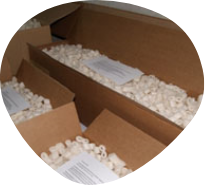 Packaging is carefully implemented to avoid any problems.
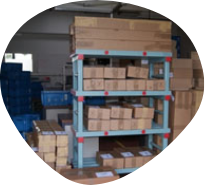 Packages are ready to be shipped.
We ship our plants throughout Europe (excluding overseas territories and islands).
Avis clients


Pop Corn Maize — Zea mays: popping kernels for homemade popcorn, playful and educational garden crop, easy sowing, long storage and versatile seasoning options.
Your cart is empty
Continue shopping