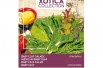









Mesclun Baby Leaf — young, tender leaf mix for fast, continuous harvests. Perfect for fresh salads, containers and urban gardens; diverse flavors and easy cultivation for chefs and home growers.
Description
Salad Baby Leaf is a blend of young lettuce leaves and tender greens centered on Lactuca sativa, formulated for fast harvests, varied flavors and delicate textures. The mix typically combines mild, peppery and slightly bitter notes from different cultivars, creating a complex palate ideal for fresh salads. It is suitable for outdoor beds, containers or greenhouses and yields harvests from about 3–5 weeks after sowing, enabling continuous supply. Low space requirements and minimal maintenance make this mix particularly well suited to urban gardeners and small‑scale producers.
The term mesclun originates from Provence and historically referred to spring mixes of young salad leaves; modern baby leaf blends evolved from this tradition to include a wider range of species. This heritage emphasizes freshness, variety and immediate consumption.
Primary components belong to the Asteraceae family (lettuces) while Brassicaceae (mizuna, mustard) or other tender greens may be included for spice and diversity. Botanical variety enhances resilience and flavor complexity.
Baby leaf plants remain low, forming compact rosettes with leaves typically 3–10 cm long depending on species and harvest stage. Their low habit allows dense sowing and easy manual or mechanical harvesting.
The mix offers smooth, frilled and narrow leaves in colors from light green to deep red, providing visual appeal and textural contrast. These morphological differences translate into a range of mouthfeels — tender, crisp or slightly fibrous — enriching culinary uses.
Sow from March to September outdoors and year‑round under cover for continuous production; staggered sowing every 7–14 days ensures steady supply. This approach reduces waste and evens out labor.
Optimal germination occurs between 15–20 °C, with emergence in 7–14 days depending on moisture and temperature. Cooler conditions slow emergence but can improve leaf quality.
Sow at 0.5–1 cm depth in dense rows or beds for baby leaf harvest; high density promotes fine, tender leaves. For cut‑and‑come‑again harvesting, sow in blocks and thin only if necessary.
Prefer a light, humus‑rich, well‑drained soil; exposure ranges from partial shade to full sun depending on season. Mulching helps retain moisture and stabilizes soil temperature.
Keep soil evenly moist without waterlogging; regular light irrigation prevents bitterness and supports uniform growth. Mulch reduces evaporation and moderates moisture swings.
Thin if necessary to keep the strongest plants, but dense sowing is common for baby leaf production. Use thinnings as fresh salad greens to minimize waste.
Practice crop rotation and use insect netting to limit pests; encourage beneficial insects and water at the base to reduce foliar diseases. Good ventilation and organic mulch lower fungal risks.
Apply compost before sowing and a light nitrogen feed if needed to promote soft, juicy leaves without excessive fiber.
Harvest 3–6 weeks after sowing by cutting leaves 2–3 cm above the crown or by selective picking for continuous supply. Regular harvesting stimulates regrowth and extends productive life.
Pick when leaves are fully formed, colored and tender; avoid yellowing or damaged leaves. Store chilled (0–4 °C) and use within a few days for best freshness.
Multiple harvests possible with moderate cutting; yields depend on density and care. Store in humid, sealed bags in the refrigerator for 3–7 days.
Plant along bed edges, between slower crops or in containers on balconies to maximize space use. Rapid cycles make baby leaf mixes excellent gap fillers in crop rotations.
Pair with radish, carrot and herbs to diversify yields and deter pests; preceding legumes improve soil fertility for subsequent sowings.
Baby leaf mixes range from mild and buttery to peppery and slightly bitter, offering versatile flavor profiles. Textures vary from tender to crisp, suitable for salads, garnishes and light cooking.
Use raw in salads, as garnishes or in sandwiches; add at the end of cooking to warm dishes to avoid wilting. For preservation, brief blanching and freezing is possible, though fresh use is preferred.
Quick salad: combine baby leaf mix, orange segments, toasted nuts and soft cheese; dress with honey‑mustard vinaigrette for a balanced sweet‑savory dish.
Baby leaf mixes support biodiversity and fit well into agroecological systems; species diversity reduces pest risk and stabilizes yields.
Mixing species reduces the impact of climatic stress or pests on the entire crop, offering resilience for small producers and chefs. The baby leaf format is prized for freshness and presentation.
Well suited to permaculture guilds, deep containers on balconies and early sowing in cold frames for extended production.
Salad Baby Leaf is an efficient, flavorful and space‑saving solution for gardeners seeking continuous, high‑quality salad greens. It delivers variety, speed and culinary appeal with minimal effort.
Shipping & delivery
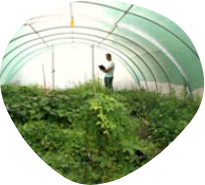 As soon as you place your order your plants are selected
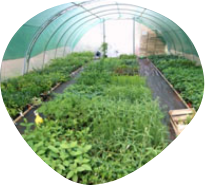 Each order is processed individually.
 Plants are packed, staked and labeled.
 Packaging is carefully implemented to avoid any problems.
 Packages are ready to be shipped.
Expédition de nos plantes dans toute l'Europe (sauf en outre mer et les îles).
Avis clients



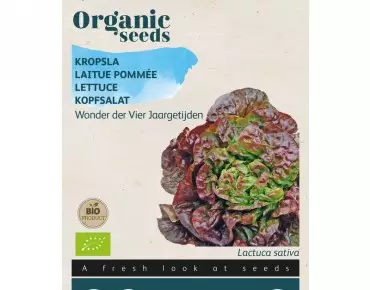






Mesclun Baby Leaf — young, tender leaf mix for fast, continuous harvests. Perfect for fresh salads, containers and urban gardens; diverse flavors and easy cultivation for chefs and home growers.
Your cart is empty
Continue shopping