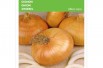









The Yellow Flat Dutch Onion is the king of storage! This heirloom variety produces large flattened bulbs with firm and fragrant flesh. Ideal for your stews and soups, it keeps all winter in a dry place. A productive safe bet.
Description
The Yellow Flat Dutch Onion is a benchmark heirloom variety, particularly prized by gardeners for its exceptional storage capacity. It is the archetype of the keeping onion: it produces large, slightly flattened bulbs, wrapped in a thick, copper-straw yellow skin that protects firm, white flesh. Its hardiness and productivity make it a safe bet in the vegetable patch, capable of providing supplies for the entire winter if drying is done well.
In the kitchen, it is a universal ingredient with a pungent and aromatic flavor, essential for enhancing stews, onion soups, or sauces. Unlike milder white onions, this one develops its full gustatory power when cooked, becoming melting and tasty. Easy to grow and undemanding, it is perfectly suited to the beginner gardener wishing to ensure a rewarding and daily useful harvest.
As its French/Dutch names suggest, this variety was selected in the Netherlands, a region historically recognized for its horticultural expertise and bulb breeding. It was developed to withstand the temperate and damp climates of Northern Europe while offering a long winter dormancy.
It belongs to the large Alliaceae (or Amaryllidaceae) family, alongside garlic, shallots, and leeks. The species Allium cepa groups together onions that form a single bulb, unlike shallots which divide into cloves.
This onion is one of the so-called "long-day" varieties, which means that bulb formation is triggered by the lengthening of daylight hours in spring and summer. It has long been an essential food staple for European farmers during the winter, thanks to its extraordinary keeping qualities in cellars or attics.
The plant develops tubular, hollow, and upright foliage with a characteristic glaucous green color. At maturity, the foliage generally reaches 30 to 40 cm in height before falling over naturally, a sign that the bulb has finished its growth.
The leaves are cylindrical and waxy, which allows them to limit water evaporation. They all start from the base of the bulb and, although vigorous, they eventually yellow and dry out completely at the end of the cycle, a crucial step for the closing of the bulb neck.
The bulb is a good size, often measuring 8 to 10 cm in diameter. It presents a typical "flat" or "flattened" shape, with an outer skin (tunic) of copper-yellow to straw color, very resistant, which wraps layers of white, dense, and pungent flesh.
Sowing is ideally done at the end of winter or the beginning of spring, from February to April, depending on the climate of your region. It is possible to sow as soon as the soil has dried out and begins to warm up, as the onion does not fear light late frosts.
Onion seeds germinate from 10°C, but a soil temperature between 12°C and 18°C guarantees faster and more uniform emergence. Below these temperatures, germination will be much slower, exposing the seed to climatic hazards.
Emergence requires a little patience, generally taking between 15 and 20 days after sowing. It is crucial to keep the soil slightly moist during this phase to help the seedling break through the soil crust, especially if the spring is dry.
Sow seeds in rows, about 1 to 2 cm deep, pressing the soil down well with the back of the rake to ensure contact. Space rows 25 to 30 cm apart and plan to thin later to leave 10 to 15 cm between each bulb in the row.
The Yellow Flat Dutch onion prefers light, loose, and well-drained soil, which does not retain excess water to avoid rotting. It dreads fresh organic manure (undecomposed manure) which promotes foliage development to the detriment of the bulb and attracts the onion fly.
A full sun exposure is imperative for this crop which needs a lot of light to photosynthesize and swell its bulb. The sun also helps to dry the foliage at the end of the season, ensuring better storage.
Thinning is a mandatory step if you sow directly in place: it must be done about two months after sowing. Remove the weakest plants to leave only one onion every 10 to 15 cm, which will allow them to grow without hindering each other.
The onion has moderate water needs, mostly necessary at the beginning of growth for foliage development. However, it is imperative to stop all watering about three weeks before harvest to allow the bulb to ripen and enter dormancy.
The onion tolerates weed competition very poorly due to its fine foliage which does not cover the ground. Regular hoeing between rows is essential to keep the soil clean and aerated throughout the cultivation.
To avoid downy mildew and rot, respect a wide crop rotation and do not plant onions in the same place for 4 or 5 years. Association with carrots is very beneficial, as the smell of the onion repels the carrot fly, and vice-versa.
Harvest takes place in summer, generally from July to September, when the foliage is completely withered and lying on the ground. This is the sign that vegetation stops and reserves are stored in the bulb.
The infallible sign is the yellowing and drying of the stems which fall over by themselves. At this stage, pull up the onions in dry weather and let them dry (cure) in the sun on the ground for 2 or 3 days before bringing them in.
It is a very productive variety that offers an excellent yield per square meter. With good maintenance, you can hope to harvest several kilos of onions on a small garden bed, sufficient to last through the winter.
Once very dry, cut the foliage or braid it, and store the onions in a cool, dry, ventilated, and dark place. Under these conditions, the Onion Yellow Flat Dutch keeps remarkably well until the following spring (March-April).
Install it in a sunny and well-ventilated area of the vegetable garden, on raised beds if your soil is clayey. It fits well in a square foot garden, provided it is placed on the edge so that it is not smothered by bulkier plants.
The onion gets along wonderfully with carrots, beets, strawberries, and lettuce. On the other hand, proximity to legumes like beans, peas, or broad beans must be absolutely avoided, as they mutually inhibit their growth.
The onion is a plant that depletes the soil little but is sensitive to persistent diseases. It is an excellent preceding crop for root vegetables or fruit vegetables, but should not return to the same plot too quickly.
It possesses a strong, pungent, and rich flavor when raw, which gives it a lot of character. When cooked, it becomes milder and develops very pleasant sweet and caramelized notes.
It is the staple onion of traditional cuisine: it is perfect sliced and sautéed to serve as a base for a tomato sauce or a stew. It is also ideal for making a gratin onion soup, a pissaladière, or an onion tart.
To avoid crying when peeling these sulfur-rich onions, run them under cold water or place them in the freezer for 15 minutes before cutting. For a successful onion compote, cook them very slowly over low heat with a little butter and sugar until they are brown and candied.
Growing onions requires very few inputs and treatments, making it an easy plant to manage in organic farming. Its flowers, if a few bulbs are allowed to bolt the second year, are magnificent spherical balls that attract a huge number of bees and pollinators.
Although it is a field vegetable, it is possible to grow a few onions in a deep planter on a sunny balcony. Choose a light potting mix and be careful not to overwater to avoid bulb rot in containers.
The Onion Yellow Flat Dutch is the guarantee of winter food self-sufficiency for the gardener. Its robustness, ease of storage, and authentic taste make it an absolute essential, far removed from standard supermarket onions often treated with anti-sprouting agents.
Shipping & delivery
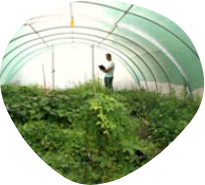 As soon as you place your order your plants are selected
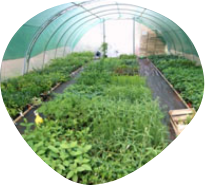 Each order is processed individually.
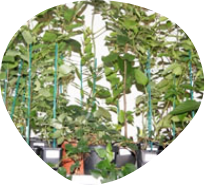 Plants are packed, staked and labeled.
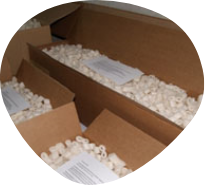 Packaging is carefully implemented to avoid any problems.
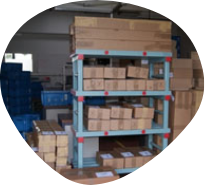 Packages are ready to be shipped.
Expédition de nos plantes dans toute l'Europe (sauf en outre mer et les îles).
Avis clients


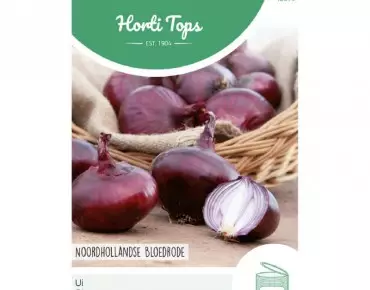




The Yellow Flat Dutch Onion is the king of storage! This heirloom variety produces large flattened bulbs with firm and fragrant flesh. Ideal for your stews and soups, it keeps all winter in a dry place. A productive safe bet.