

Leek Winter Giant
Allium porrum
Grow the Leek Winter Giant for a bountiful harvest throughout the frostiest months. This robust variety is exceptionally cold-resistant and produces thick, pure white stalks. The perfect choice for hearty winter soups and stews.
Description
Leek Winter Giant - Allium porrum
Introductory Summary
The Leek Winter Giant is an essential variety for gardeners wishing to ensure vegetable production during the coldest months of the year. This garden plant stands out for its exceptional robustness and its ability to withstand severe frosts without the quality of its stalk being altered. It produces long, dense, and pure white stalks, topped with very broad and vigorous blue-green foliage. It is the ideal staple vegetable for winter soups, stews, and gratins thanks to its tender flesh and delicately scented flavor.
Origins and Botanical Family
Geographical Origin
The leek is a plant whose wild ancestors are mainly found in the Mediterranean basin and the Near East. Over the centuries, European market gardeners have selected the most cold-resistant individuals to create the "Winter Giant" lines. These selections have made it possible to obtain varieties capable of remaining in the ground all winter in temperate and continental climates.
Botanical Family
The leek belongs to the Allium family (or Amaryllidaceae), along with onions, garlic, and chives. Botanically speaking, it is a biennial herbaceous plant, although it is grown as an annual for the consumption of its stalk. Its scientific name, Allium porrum, underlines its close relationship with other bulbous plants and the characteristic smell of this family.
Historical Particularities
The use of leeks dates back to Antiquity, where it was already highly appreciated by the Egyptians and Romans for its medicinal and nutritional virtues. It is said that the Emperor Nero consumed large quantities of it to protect his vocal cords, which earned him the nickname "porrophagus." In the Middle Ages, it became one of the pillars of the European diet, establishing itself as the "broom of the intestine" thanks to its richness in fibers.
Botanical Description and Characteristics
Mature Height and Habit
The Leek Winter Giant has an upright and proud habit, reaching a total height of 60 to 80 centimeters depending on the richness of the soil. Its structure is composed of a very straight cylindrical stalk which constitutes the buried edible part. The top of the plant fans out into a wreath of robust leaves which give it a massive and healthy appearance in the vegetable garden.
Foliage Description
The leaves of this variety are particularly broad, fleshy, and dark green in colour with the bluish reflections characteristic of winter types. They are covered with a thin layer of protective wax that helps the plant resist moisture and frost. This foliage remains vigorous even under snow, providing natural protection to the heart of the plant.
Other Morphological Particularities
The stalk, the part whitened by the absence of light, is long and of a generous diameter, which ensures an excellent yield per plant. Unlike summer varieties, the Winter Giant does not form a marked bulb at its base, remaining perfectly cylindrical over its entire length. The root system consists of numerous fasciculated roots that sink deep to draw the nutrients necessary for its slow growth.
Sowing and Culture Conditions
Ideal Sowing Period
For a winter harvest, sowing generally takes place between the months of March and May, depending on the region. It can be done in a nursery or directly in the ground in a well-prepared furrow. This period allows the plant to develop sufficiently during the summer season before the arrival of the first cold spells.
Ideal Germination Temperature
Leek seeds germinate optimally when the soil temperature is between 15°C and 20°C. Constant heat promotes a homogeneous and rapid emergence of the entire crop. Below 10°C, germination is much slower and can compromise the initial vigour of the young shoots.
Germination Time
The emergence process generally takes between 10 and 15 days depending on the humidity and heat conditions. During this phase, it is crucial to keep the soil moist but not waterlogged to facilitate the exit of the seedling. As soon as the "hooks" appear, growth becomes more regular and requires less daily monitoring.
Sowing Depth and Spacing
The seeds must be sown at a depth of 1 to 2 centimeters in a fine and light substrate. During the final planting, a spacing of 15 centimeters should be respected between each plant on the row. The space between the rows should be about 30 centimeters to facilitate the passage of tools during hoeing and hilling.
Recommended Soil Type
The Leek Winter Giant appreciates deep, loose, and humus-rich soils to develop a long and regular stalk. It dreads soils that are too stony, which can deform the base of the vegetable during its growth. A cool soil, capable of retaining moisture without stagnating, is ideal for avoiding water stress during the summer.
Ideal Exposure
A sunny exposure is essential to allow the foliage to capture maximum light and produce energy. Although it tolerates light partial shade in very hot regions, full sun strengthens its resistance to winter diseases. A well-cleared location also promotes good air circulation between the leaves.
Transplanting Method
Transplanting takes place when the plants reach the size of a pencil, generally 2 to 3 months after sowing. It is advisable to "dress" the plants by slightly shortening the roots and leaves to stimulate recovery. They are then installed in deep holes made with a dibber, not completely filling the hole to let the rain settle the soil.
Water Requirements
Water requirements are significant, especially during the installation phase and during periods of summer drought. Regular watering allows the stalk to grow without becoming fibrous or hard. Mulching is an excellent technique for keeping the soil cool and limiting evaporation while reducing the chore of weeding.
Maintenance and Care
Hilling
Hilling is an essential step that consists of bringing soil to the foot of the leeks several times during their growth. This action deprives the stem of light, which allows for lengthening the white and tender part of the stalk. The more carefully and repeatedly hilling is done, the greater the proportion of white will be during the harvest.
Prevention of Diseases and Pests
The main enemy is the leek moth, whose caterpillar digs galleries in the leaves and the stalk. The installation of an insect-proof net from the moment of transplanting is the most effective and ecological preventive method. One must also monitor the leaf miner fly and fungal diseases like rust by avoiding excessive watering on the foliage.
Harvest
Harvest Period
The harvest of the Leek Winter Giant extends from November until the month of March or April of the following year. Vegetables can be picked as needed, even when the soil is partially frozen. This harvesting flexibility makes it a major asset for the household's winter food autonomy.
Recognizing Maturity
The leek is considered mature when its stalk has reached a minimum diameter of about 2 to 3 centimetres. The foliage should be well-developed, and the plant should offer some resistance to touch. There is no risk of immediate over-maturity, as the plant enters dormancy during the heart of winter.
Average Yield
The yield is very satisfactory, with production reaching 3 to 5 kilograms per square meter depending on the care provided. Each plant provides a significant amount of edible material thanks to the density of its tissues. The regularity of the variety makes it possible to obtain homogeneous harvests across the entire plot.
Storage Method
Once harvested, the leek can be kept for a few days in the refrigerator in the vegetable drawer to keep its freshness. For longer storage, it can be blanched then frozen or kept in a clamp in sand in the cellar. However, the best method remains storage in the ground, the plant protecting itself thanks to its hardiness.
Usage in the Garden
Where to Install it in the Vegetable Garden
It is best to install it in a plot that received rich organic manure the previous year, such as after a crop of tomatoes or squash. Avoid areas that are too wet in winter where water could stagnate and cause the roots to rot. Its winter presence allows for occupying the soil and avoiding erosion due to beating rains.
Beneficial Plant Associations
The leek forms a famous duo with the carrot because the smell of one repels the parasites of the other (carrot fly and leek moth). It also associates very well with strawberries, tomatoes, or celery. These companionships make it possible to optimize space and create a natural balance limiting the use of chemical treatments.
Crop Rotation
It is imperative to respect a rotation of 4 to 5 years before replanting Alliums on the same plot. This practice avoids specific soil depletion and limits the spread of persistent diseases like damping-off or nematodes. After the leek, a green manure or a pulse crop is ideal for restoring the fertility of the soil.
Culinary Uses
Flavor
The Leek Winter Giant offers a mild, slightly sweet flavour that is less pungent than onion. Its texture becomes melting after slow cooking, which makes it a refined ingredient for many preparations. It is a vegetable that knows how to be discreet while bringing an incomparable aromatic depth to broths.
Ways to Cook
It can be consumed steamed, braised in butter, or sautéed in the pan for a leek fondue. It is the indispensable element of the traditional quiche, leek-potato soup, or even savory tarts. The whites are often preferred for their fineness, while the green can be used to flavour sauce bases.
Tip or Typical Recipe
For a simple and tasty recipe, try leeks with vinaigrette after cooking them whole by steaming. The secret lies in seasoning them while they are still lukewarm so that they absorb the sauce well. You can also use the finely chopped green to make crispy fritters or integrate it into a homemade bouquet garni.
Ecology, Curiosities and Assets
Ecological Interest
Left in place for the second year, the leek produces a magnificent spherical inflorescence that attracts many pollinators. Bees and bumblebees love its nectar, which promotes the overall biodiversity of the garden. Its dense root system also participates in the natural aeration of the soil in depth.
Botanical Curiosity
The leek is a "biennial" plant that only flowers after having undergone the cold of winter, a process called vernalization. If it does not undergo this cold, it continues to produce leaves without ever going to seed. This peculiarity is exploited by seed companies to guarantee the purity of the varieties offered to gardeners.
Culture in Permaculture
In permaculture, the leek is appreciated for its ability to integrate into multi-layered culture systems. It can be planted at the foot of fruit trees or among perennial crops to maximize the use of vertical and horizontal space. Its resistance makes it possible to maintain a living and protective plant cover for the soil microfauna during winter.
Why this Vegetable Deserves its Place in the Garden
The Leek Winter Giant is the guarantor of a healthy and local diet during the dead season. Its cultivation is rewarding because it requires little intervention once the plants are well established and hilled. By choosing this variety, you are opting for food security, authentic flavour, and a living vegetable garden all year round.
Pack of 2.50 grams for 20-25 m²
Features
- Common name : Leek Winter Giant
- Category : vegetable
- Time to sow seeds : under glass from February-March, or outdoors from April to May
- Harvest : From November until March or April
Specific References
- EAN13
- 8711117025108
Expédition & livraison
How does the delivery work?
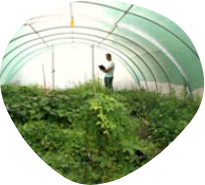 As soon as you place your order your plants are selected
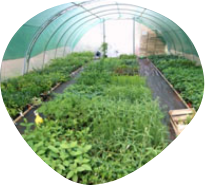 Each order is processed individually.
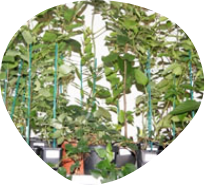 Plants are packed, staked and labeled.
 Packaging is carefully implemented to avoid any problems.
 Packages are ready to be shipped.
Our delivery methods
Shipping of our plants throughout Europe (except overseas and islands).





Customer reviews
Nobody has posted a review yet
in this language