• Camellia reticulata Mary Williams - Jardins du Monde.be
  • Camellia reticulata Mary Williams - Jardins du Monde.be
  • Camellia reticulata Mary Williams - Jardins du Monde.be
  • Camellia reticulata Mary Williams - Jardins du Monde.be

Camellia Mary Williams

Camellia reticulata Mary Williams

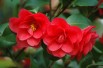
Camellia reticulata Mary Williams or Camellia Mary Williams is a shrub native to Korea and Japan. This species is highly prized for its understated elegance , with its early , fragrant flowering from February to April, offering delicate semi-double pinkish-red flowers with yellow...
€14.00
Tax included
Quantity

  • Delivery expected from 02/03/2026 if ordered before 12:00 p.m.
Paiement sécurisé

Description

Height at maturity 1,50 - 2 m
Wingspan at maturity 1 - 1,50 m
Exposure partial shade
Flowering February to April
Hardiness -15°C
Origin Japan - Korea

Camellia 'Mary Williams' - Camellia reticulata 'Mary Williams'

(evergreen ornamental shrub with early flowering)

Origins and characteristics

Native to Korea and Japan, this cultivar belongs to the Theaceae family, which includes camellias and tea plants.
Its good hardiness and compact habit make it an excellent choice for gardens, terraces and flowering hedges.

Description and particularities

  • Adult height : 1.50 to 2 metres
  • Spread : 1 to 1.50 metres
  • Habit : Compact, upright and well-branched
  • Foliage : Evergreen, dark green, glossy, leathery
  • Flowering : February to April
  • Flowers : Large semi-double blooms, bright rosy red with visible yellow stamens
  • Fragrance : Light and pleasant
  • Hardiness : Good (down to –15 °C)

Exposure and soil

  • Exposure : Partial shade (protection from heat and direct sun)
  • Soil : Acidic (ericaceous), fresh, fertile and well-drained
  • Tolerances : Does not tolerate calcareous soils; prefers humus-rich, slightly moist soils

Planting

  • Planting period : Autumn (ideal) or spring
  • Spacing : 1 to 1.50 metres depending on use (specimen or group)
  • Preparation : Mix ericaceous soil, compost and garden soil to ensure good establishment

Watering

  • After planting : Regular but moderate watering; avoid standing water
  • Later : Water during dry periods; keep soil cool with organic mulch

Pruning

  • When to prune? After flowering (May–June)
  • How to prune? :
  • Optional light pruning to balance the shape
  • Remove faded flowers to encourage the next bloom cycle

Propagation

  • Cuttings : Semi-ripe cuttings in summer
  • Layering : Possible in spring

Garden uses

The Camellia 'Mary Williams' is perfect for:

  • Ericaceous beds with azaleas, rhododendrons, pieris
  • Evergreen flowering hedges
  • Specimen planting to enhance a lawn or shaded corner
  • Container growing on a sheltered terrace or balcony

Disease protection

  • Robust shrub in suitable conditions
  • Watch for:
  • Chlorosis (yellowing leaves) in calcareous soil
  • Occasional scale insects or aphids

Growing tips

  • Plant in acidic, fresh soil enriched with leaf compost
  • Maintain permanent mulch to keep soil moist and stable
  • Avoid exposure to cold, drying winds
  • Add leaf compost in spring to support flowering

Camellia reticulata 'Mary Williams', with its refined winter flowering, its glossy foliage and its easy care, is a jewel for creating elegant, colourful scenes in winter and early spring.

Features

  • Common name : Camellia Mary Williams
  • Family : Theaceae
  • Category : shrub
  • Spread : 1 - 1,50 m
  • Foliage : evergreen
  • Color of flowers : red
  • Use : isolated - shrubbery - hedge
  • Soil : acid
  • Habit : upright
  • Earth to use : heath earth/compost/peat
  • Enemies : aphid - cochineal
  • Possible diseases : resistant to diseases

Expédition & livraison

How does the delivery work?

  • Step 1 As soon as you place your order your plants are selected
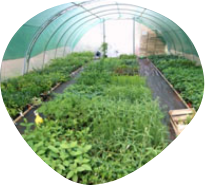
  • Step 2 Each order is processed individually.
  • Step 3 Plants are packed, staked and labeled.
  • Step 4 Packaging is carefully implemented to avoid any problems.

  • Step 5 Packages are ready to be shipped.

Our delivery methods

Shipping of our plants throughout Europe (except overseas and islands).

Customer reviews

Nobody has posted a review yet in this language

Be the first to write your review !