- New




The Japanese umbrella‑pine is a unique conifer with whorled needles and an elegant silhouette. Hardy, durable and decorative, it is ideal for Japanese, modern or lightly shaded gardens.
Description
The Japanese umbrella‑pine, Sciadopitys verticillata, is an exceptional conifer known for its unique botanical structure and striking architectural appearance. Its thick, glossy needles arranged in radiating whorls give it an unmistakably exotic character. With its slow but steady growth, it naturally maintains a harmonious shape without pruning, making it ideal for Japanese gardens, modern landscapes and serene shaded areas. Its natural resistance to diseases and remarkable longevity make it a reliable and durable choice. The soft texture of its needles and its evergreen foliage provide year‑round ornamental value. Thanks to its refined presence and sculptural form, it becomes a true focal point in any garden.
Native to the humid mountain forests of Japan, where it grows in cool, misty environments. It is considered a living fossil species with an ancient botanical lineage. Its preference for temperate, moist climates makes it well suited to European gardens.
Sciadopityaceae, a monotypic family of which it is the only species.
The Japanese umbrella‑pine is a living fossil dating back more than 230 million years. Its needles are not true needles but cladodes, a unique structure in the plant kingdom. It is also known for its longevity and natural resistance to diseases.
This conifer has a pyramidal shape when young, becoming broader and more rounded with age. Its dark green, glossy cladodes are grouped in characteristic whorls that give it its umbrella‑like appearance. The reddish‑brown bark exfoliates into decorative plates over time.
Mature height : 6 to 10 m
Mature spread : 3 to 5 m
Habit : Pyramidal, later rounded and dense
Bark : Reddish‑brown, exfoliating in plates
Foliage : Evergreen, dark green, in radiating whorls
Growth : Slow
Hardiness : –20 °C
Spring, usually between April and May. The flowering is discreet and often unnoticed. Cones take two years to mature.
Male flowers are small yellowish catkins at the tips of the shoots. Female flowers are even more subtle and develop into cones. They contribute to the tree’s natural elegance.
Oval, dark brown cones measuring 6 to 10 cm when mature. They open slowly to release winged seeds. They add subtle winter interest.
Not particularly melliferous, but cones may attract seed‑eating birds. The dense foliage provides shelter for small wildlife.
Bright partial shade or gentle sun, avoiding harsh midday exposure. It prefers cool, slightly moist environments. Protection from dry winds is recommended.
Deep, humus‑rich, fresh and well‑drained soil. Slightly acidic to neutral soils are ideal. Avoid calcareous soils.
Loosen the soil deeply to encourage root development. Add mature compost or ericaceous soil to improve structure. Ensure good drainage to prevent waterlogging.
3 to 4 m for harmonious development. This prevents root competition. It also highlights its elegant silhouette.
Acidic to neutral, fresh, humus‑rich and well drained. Suitable for sandy or loamy soils. Not suitable for compact or calcareous soils.
Dig a wide and deep hole. Place the root ball at soil level, backfill with soil and organic matter, and water generously. Mulch to maintain soil moisture.
Regular watering to keep the soil fresh. This helps the tree establish well. Mulching is strongly recommended.
Moderate; it appreciates fresh soil but tolerates dry periods once established. Avoid prolonged drought. Occasional watering in summer can be beneficial.
Pruning is generally unnecessary, as the tree naturally maintains a harmonious shape. Remove only dead or poorly placed branches in late winter. Avoid heavy pruning to prevent deforming the silhouette.
Seed propagation, although germination is slow and irregular. Cuttings are difficult and usually reserved for professionals. Air‑layering may work but requires time.
Specimen tree, Japanese garden, light shade borders, modern landscapes or zen spaces. It forms a striking focal point. It fits well in naturalistic or contemplative gardens.
Japanese maples, rhododendrons, ferns, hostas, camellias. These plants enjoy fresh, acidic soils. Together they create a refined and harmonious atmosphere.
In Japan, the wood was historically used for craftwork due to its flexibility. The tree is considered a symbol of longevity. It is often planted in temple gardens.
Very resistant and rarely affected by diseases. May suffer in calcareous or compact soils. Prolonged drought can weaken the foliage.
Maintain a fresh, slightly acidic soil. Mulch generously to retain moisture. Water during hot periods to avoid stress.
Plant in fresh, slightly acidic soil for optimal growth. Avoid harsh sun and calcareous soils. Combine with shade‑loving plants for a harmonious composition.
The Japanese umbrella‑pine is a unique conifer with radiating whorled needles and a striking architectural form. Its slow growth, hardiness and elegance make it ideal for refined gardens. It brings structure, originality and serenity to any landscape.
Shipping & delivery
 As soon as you place your order your plants are selected
 Each order is processed individually.
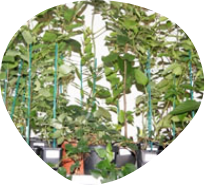 Plants are packed, staked and labeled.
 Packaging is carefully implemented to avoid any problems.
 Packages are ready to be shipped.
We ship our plants throughout Europe (excluding overseas territories and islands).
Avis clients


The Japanese umbrella‑pine is a unique conifer with whorled needles and an elegant silhouette. Hardy, durable and decorative, it is ideal for Japanese, modern or lightly shaded gardens.
Your cart is empty
Continue shopping