American Sweetgum 'Slender Silhouette' - Liquidambar styraciflua 'Slender Silhouette'
Columnar Tree
Main interest
The American Sweetgum 'Slender Silhouette' is an absolutely remarkable ornamental tree, designed by nature for spaces where verticality is a priority. This fastigiate selection of the famous Liquidambar styraciflua is distinguished by an incredibly narrow silhouette, forming a perfect green column that never widens with age. Its landscape utility is invaluable for urban gardens, property entrances, or for creating elegant windbreaks without encroaching on ground space. Beyond its architecture, this tree offers a striking chromatic spectacle: its deeply lobed foliage, deep green in summer, ignites to become vivid red to purple at the first signs of autumn cold. It is a subject that provides a strong visual punctuation, capable of structuring a border or highlighting an alley with natural geometric regularity. Its resistance and ease of maintenance make it an excellent choice for gardeners wishing to combine aesthetic modernity with botanical robustness. By choosing this cultivar, you introduce a true column of fire that will transform the atmosphere of your garden every year.
Origins and characteristics
Geographic origin :
The type species, Liquidambar styraciflua, is native to the temperate zones of Eastern North America, flourishing preferably in the rich, moist soils of valley bottoms. The specific cultivar 'Slender Silhouette' was discovered in the wild in Tennessee by nurseryman Don Shadow, who recognized the exceptional potential of its columnar form. This wild origin guarantees the tree a perfect adaptation to European temperate climates while retaining the legendary hardiness of American forest trees.
Botanical family :
This tree belongs to the Altingiaceae family (formerly classified among the Hamamelidaceae), a small but fascinating group of woody plants. The Liquidambar genus has only a few species worldwide, all renowned for the quality of their wood and the beauty of their resin. This family is particularly appreciated in arboriculture for the longevity of its subjects and the splendor of their autumn colors, which often surpass those of maples.
Notable features :
Historically, the name Liquidambar refers to liquid amber, a fragrant resin produced by the bark that was once used in the making of balms and incense. Botanically, the tree is distinguished by its palmate leaves that resemble those of the maple, but whose arrangement is alternate on the branches. Another singularity lies in its stems which sometimes develop graphic corky ridges, adding architectural interest even during the winter period when the tree is bare.
Description and specificities :
Adult height
Under optimal growing conditions, 'Slender Silhouette' generally reaches a height of about 5 meters (16 feet) after ten years. Although it may continue to grow slowly thereafter, it remains much more manageable than the type species, making it suitable for modest-sized gardens. Its top always remains directed towards the sky without ever sagging under its own weight.
Adult width
The most impressive feature of this cultivar is its width, which does not exceed 1 meter (3 feet) at maturity. This exceptional narrowness allows it to be planted in restricted spaces, such as narrow passages or in the immediate vicinity of buildings. It retains this strict columnar shape without requiring complex structural pruning, which is a rarity among trees of this stature.
Habit
The habit is narrowly columnar, almost fastigiate, with very short lateral branches growing upright along the central trunk. This perfect vertical structure creates the effect of a dense and regular plant column, much sought after in contemporary landscape architecture. It is the ideal tree for creating strong vertical lines or for serving as a central pivot in a symmetrical design.
Bark
The bark is a textured gray-brown, becoming more deeply furrowed and decorative as the tree ages. On young twigs, one often observes the appearance of prominent corky ridges that give the branches a rough and original appearance. These structural details are particularly highlighted during winter when the foliage is absent, providing year-round visual interest.
Foliage
The foliage is deciduous, composed of deeply lobed star-shaped leaves, a glossy green during the entire warm season. In autumn, the temperature drop triggers a spectacular pigment mutation, transforming each leaf into a gradient of flamboyant red and purple. The leathery texture of the leaves allows for excellent color retention, prolonging the autumn spectacle for several weeks.
Growth
The growth rate is considered moderate to fast during the first years, allowing the tree to establish itself vigorously. Once the root system is well anchored, it develops its vertical column with exemplary regularity. This predictable growth greatly facilitates long-term landscape planning.
Hardiness
'Slender Silhouette' is an extremely hardy tree, capable of withstanding temperatures down to -24 °C (-11 °F). It does not fear harsh winters and adapts to most climatic regions, provided the soil is not excessively calcareous. Its robustness makes it a lasting investment for any gardener wishing for a reliable and perennial tree.
Flowering and fruiting :
Flowering period
Flowering occurs discreetly in spring, generally in the month of May, in the form of small, barely visible globular clusters. Although botanically interesting, it remains secondary to the aesthetic appeal of the foliage and the tree's silhouette. It is a typical bloom for wind-pollinated species, whose pollen is dispersed by the wind.
Flower description
The flowers are unisexual, with males grouped in terminal clusters while females form small hanging spheres. Of a yellow-green color, they blend harmoniously into the young spring foliage without drawing the eye ostentatiously. They mark the beginning of the annual growth cycle and the resumption of the circulation of the fragrant resin.
Fruits
The fruits are woody and spiny capsules in the shape of hanging balls at the end of a long stalk, often remaining on the tree after leaf fall. They contain small winged seeds that are released at maturity during the winter. These "gumballs" add an original decorative touch to the tree's winter silhouette, reminiscent of natural Christmas decorations.
Melliferous or attractive characteristics for fauna
Although the bloom is discreet, it provides an early source of pollen for certain insects in spring. In winter, the seeds contained in the persistent fruits offer a welcome food supplement for small birds. The dense structure of the column of leaves also constitutes a safe shelter for the nesting of certain songbirds.
Exposure :
Ideal exposure :
To express its full color potential in autumn, this tree must be planted in full sun. A bright exposure also guarantees optimal foliage density and fine vertical growth. It tolerates partial shade, but its autumn colors will then be less intense and its habit could become slightly less compact.
Planting
Advice for preparing the soil :
Soil preparation should focus on adding acidifying organic matter to meet the specific needs of the tree. Dig a wide hole and incorporate heather soil or blonde peat to lower the soil pH if it is too neutral. Our plants are grown in pots, which allows for planting all year round, as long as the ground is neither frozen nor completely parched.
Spacing between plants :
If you wish to create a columnar row or a narrow hedge, allow a spacing of about 1.50 meters (5 feet) between each trunk. For specimen planting, keep a free radius of 2 meters (6 feet) around it so as not to hide its architectural silhouette. Well-calculated spacing allows each tree to receive the necessary light over the entire height of the column.
Nature of the soil :
American Sweetgum absolutely requires acidic soil (heather soil type) to flourish and avoid iron chlorosis (yellowing of the leaves). The soil must be deep, rich, and above all capable of retaining some moisture, as this tree dreads excessively dry soils. Fresh and well-drained ground is the guarantee of vigorous growth and flamboyant autumn colors.
How to plant :
Install the root ball in the planting hole ensuring the top is level with the ground, without burying the tree collar. Fill with a mixture of garden soil and heather soil, then lightly tamp the soil to remove air pockets. Strong staking is recommended during the first two years to maintain the verticality of the column against dominant winds.
Watering
Water needs at planting :
Copious watering is crucial immediately after planting to ensure good cohesion between the root ball and the surrounding soil. During the first two years of establishment, maintain regular watering, especially during dry summer periods. Never let the soil dry out completely, as Liquidambar is sensitive to drought stress during its establishment phase.
Water needs at maturity :
Once mature, the tree retains a preference for fresh soils, although it becomes more tolerant of temporary drought episodes. In case of prolonged heatwaves, a generous water supply at the base will help preserve foliage quality and the brilliance of future colors. Installing organic mulch at the base is an excellent practice to conserve moisture and protect the root system.
Pruning
When and how to prune :
Pruning is rarely necessary for this cultivar, as it naturally retains its narrow columnar habit without human intervention. If you must intervene to remove a misplaced or dead branch, do so during winter when the tree is at rest. Avoid severe pruning which could break the harmony of its unique vertical silhouette and harm its overall health.
Multiplication
Possible propagation methods :
'Slender Silhouette' is multiplied almost exclusively by grafting onto rootstocks of the type species, Liquidambar styraciflua. This method is the only one that guarantees the strict conservation of the columnar shape and growth characteristics. Sowing would not allow for the narrow silhouette to be regained, as young plants would take on the spreading habit of the wild species.
Garden uses
Ideal location for the plant :
This tree is perfect for planting in an alignment along a narrow driveway or for framing a monumental entrance. Its vertical shape also makes it an excellent choice for small city gardens where shade must be limited. It can also be used in a group of three subjects of different heights to create a dynamic relief in a shrub border.
Recommended plant associations :
It pairs beautifully with other acid-loving plants like Azaleas or Rhododendrons. At its feet, carpets of winter heathers or ferns will emphasize the verticality of the trunk while enjoying its light shade. For a color contrast in autumn, plant blue-flowering perennials like Asters by its side.
Traditional uses :
Traditionally, Liquidambar was planted for its quality wood, but also for its medicinal resin with healing properties. Today, its use is primarily aesthetic, symbolizing elegance and structure in modern or classically inspired gardens. It has become a staple of urban arboriculture for its ability to withstand pollution while remaining majestic.
Protection against diseases and pests :
Possible sensitivities
Sweetgum is generally robust, but it can sometimes be subject to anthracnose if the spring is exceptionally wet, which stains the foliage. Iron chlorosis is the most frequent problem if the soil is not acidic enough, manifesting as yellowing of the leaves. In poorly drained soils, it can also suffer from root rot, hence the importance of healthy soil.
Prevention advice and natural treatments
The best prevention consists of strictly respecting its needs for acidic soil and sunny exposure. An annual application of acidic compost on the surface strengthens the tree's natural defenses against aggression. In case of emerging chlorosis, an iron chelate intake can quickly restore vigor and color to the foliage.
Advice for good development :
Practical tips for promoting good development
Ensure not to excessively compact the soil at the tree's base, as its shallow roots need aerated earth to breathe properly. Avoid fertilizer applications too rich in nitrogen that would promote too tender growth, sensitive to strong winds. Pine bark mulch is ideal for maintaining soil acidity while limiting competing weed growth.
Cultivar differences and specificities
The 'Slender Silhouette' cultivar distinguishes itself radically from the type species by its extremely reduced width, going from 10-12 meters for the type to only 1 meter for this cultivar. Unlike other fastigiate forms like 'Fastigiatum', it remains much narrower and more regular over its entire height. Its red autumn coloring is often more uniform and brilliant than that of subjects from seed, making it a premium choice for autumn decor.
Summary
The Liquidambar styraciflua 'Slender Silhouette' is the ideal columnar American Sweetgum for structuring small gardens and alleys. With a width of only one meter, it offers an impeccable vertical habit and unparalleled flamboyant red autumn foliage. Hardy and elegant, it requires acidic soil to reveal all the splendor of its colors and its plant architecture.



 As soon as you place your order your plants are selected
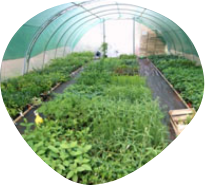 Each order is processed individually.
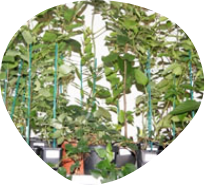 Plants are packed, staked and labeled.
 Packaging is carefully implemented to avoid any problems.
 Packages are ready to be shipped.