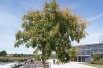
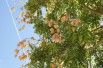
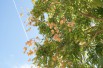
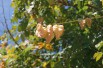
Panicled Goldenrain tree
Koelreuteria Paniculata
(5/5)
- 1 rating(s)
The Goldenrain Tree (Koelreuteria paniculata) is a small tree ideal for shade. It boasts spectacular yellow summer blossoms followed by decorative, lantern-like fruits. Drought-tolerant and hardy, it's perfect for any garden.
Description
Height at maturity
10 m
Wingspan at maturity
4 to 6 m
Exposure
sun
Flowering
July-august
Hardiness
-20°C
Origin
China, Japan, Korea
Goldenrain tree, Koelreuteria paniculata
Main Interest
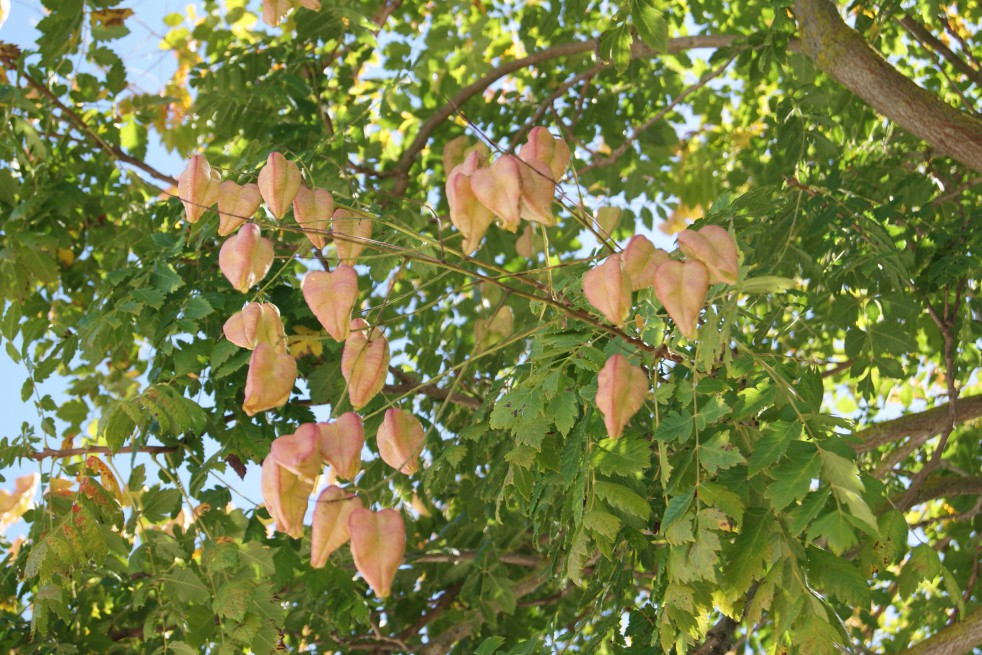
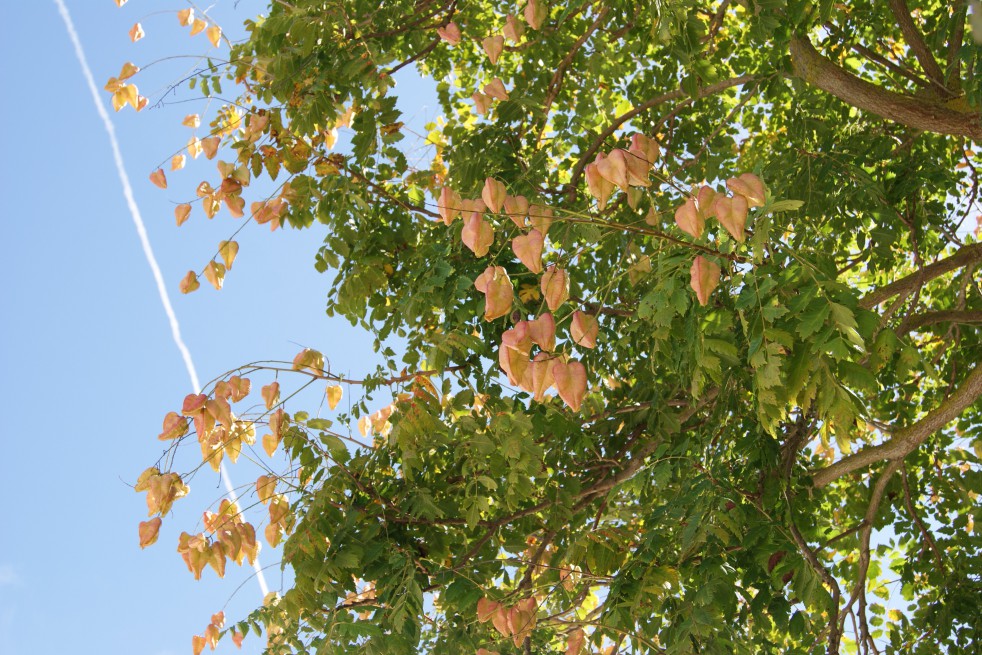
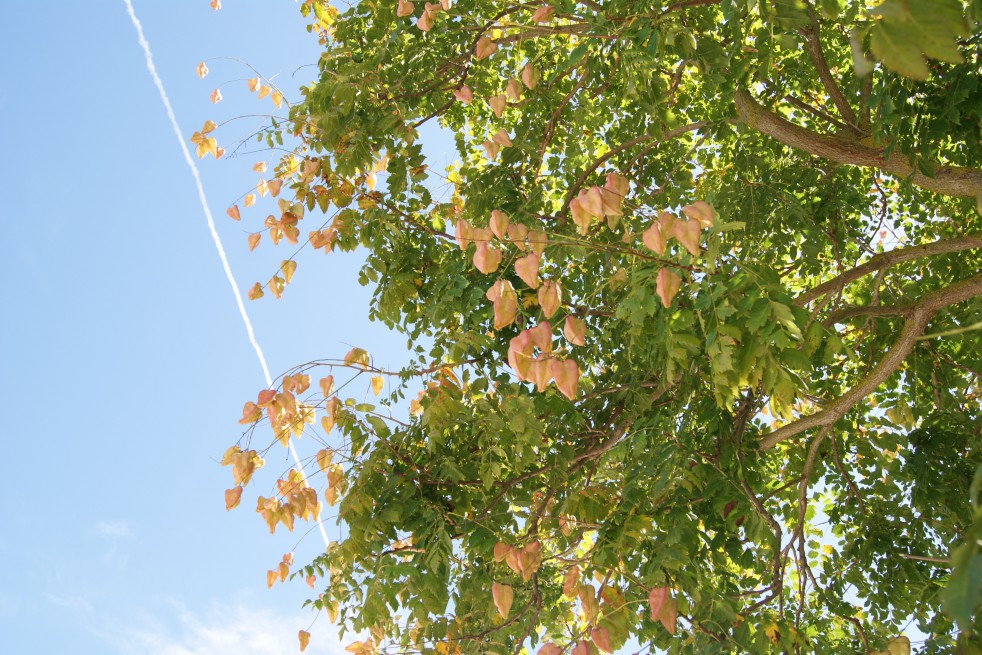
The Goldenrain tree (or Koelreuteria paniculata) is a spectacular small tree that deserves to be better known, a true treasure for urban and contemporary gardens facing climate change. Its poetic nickname perfectly illustrates its major attraction: a radiant, abundant, and vaporous yellow flowering occurring in July-August, a period when few trees are in bloom. This luminous "rain" then gives way to equally decorative fruiting in the form of small lanterns that turn reddish before browning, persisting for part of the winter.
Beyond its undeniable aesthetic qualities, it is a champion of resilience. It is extremely resistant to drought, atmospheric pollution, and poor or calcareous soils. Its moderate development and naturally rounded crown make it a choice subject for medium-sized gardens seeking shade without being invasive. In permaculture, it is appreciated for its late melliferous capacity which feeds bees before winter. Planting a Koelreuteria means choosing a tree of the future, ornamental four seasons a year: beautiful cut foliage in spring, flowers in summer, autumn colors, and graphic fruits in winter.
Origins and Characteristics
Geographical Origin:
This tree originates from the temperate regions of East Asia, specifically China and Korea. It was discovered by the Jesuit father Pierre Nicolas d'Incarville around 1750, and its introduction to France dates back to 1789.
Botanical Family:
It belongs to the Sapindaceae family, a family that also includes maples (Acer) and horse chestnuts (Aesculus). It is the genus Koelreuteria that bears the name of the German botanist Joseph Gottlieb Kölreuter.
Notable Features:
Its common name "Soap tree" (Savonnier) comes from the traditional use of its pulp and bark. They contain saponin, a substance that foams on contact with water and was historically exploited to make natural soap for washing clothes.
Description and Particularities:
Mature Height
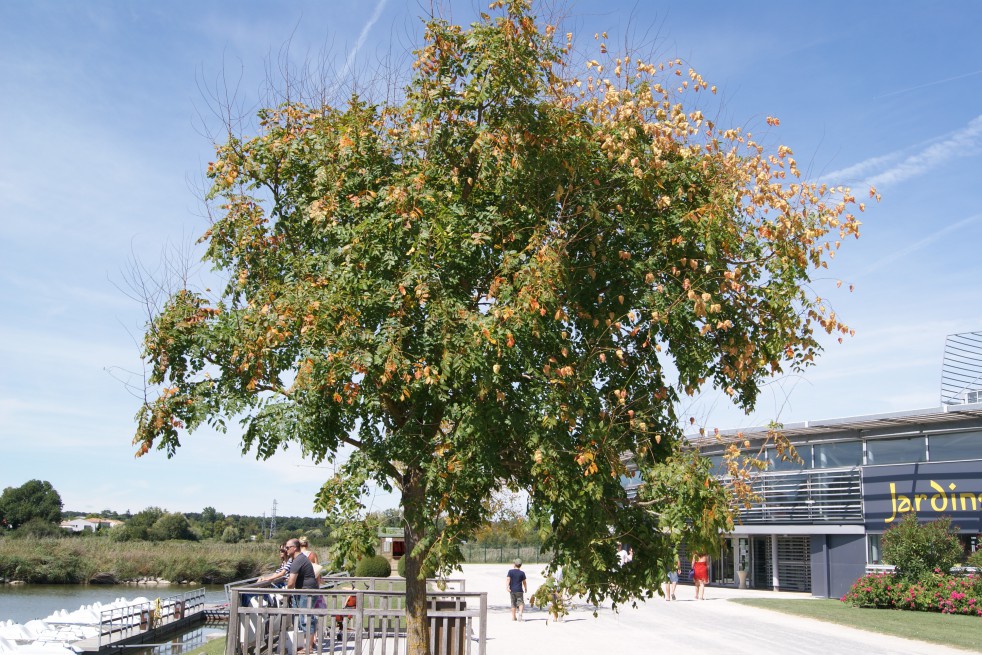
It is a tree of small development, ideal so as not to visually overwhelm a house. At maturity, it generally reaches a height between 6 and 8 meters, rarely more than 10 meters in our gardens, which allows it to be planted even in suburban areas.
Mature Width
The Goldenrain tree has a fairly wide span relative to its height. It spreads over 4 to 6 meters in width. This proportion allows it to provide a substantial and appreciable shade zone, perfect for installing a garden table or bench.
Habit (General Shape)
Its habit is naturally elegant, spreading and rounded. With age, the crown takes the form of a regular and picturesque dome, often with a short trunk that quickly splits into several twisted main branches, giving it a graphic silhouette even without leaves.
Bark (characteristics, color, particularities)
The bark is initially smooth on young subjects, then it fissures over time to become grayish-brown, marked by shallow orange grooves. The twigs are robust and bear clearly visible winter buds, adding texture to the garden in the cold season.
Foliage (type of foliage, color, seasonal changes)
The foliage is deciduous, composed of long pinnate leaves (imparipinnate) reaching up to 30 to 40 cm, with serrated leaflets. Tender green in spring, it becomes dark green in summer before turning golden yellow or flamboyant orange in autumn, contributing greatly to the enchantment of the late season.
Growth
The growth of Koelreuteria paniculata is medium. It is neither too slow nor too invasive. It settles quietly for the first two years to develop its root system, then accelerates to form its definitive crown in about ten years.
Hardiness (temperature tolerance)
It is a very hardy tree that does not fear the cold once established. It withstands temperatures down to -20°C. Young subjects can be sensitive to late spring frosts on branch tips, but the tree regrows vigorously.
Flowering :
Flowering Period
Flowering is one of its major assets, occurring in the middle of summer, generally in July and August. This summer bloom is valuable because it brings color at a time when most trees have finished flowering.
Description of Flowers
The flowers are small, bright yellow, and gathered in large loose and upright terminal panicles of 30 to 40 cm long. They are slightly fragrant and form a veritable golden cloud above the foliage, justifying its nickname of Goldenrain tree when they fall to the ground.
Fruits
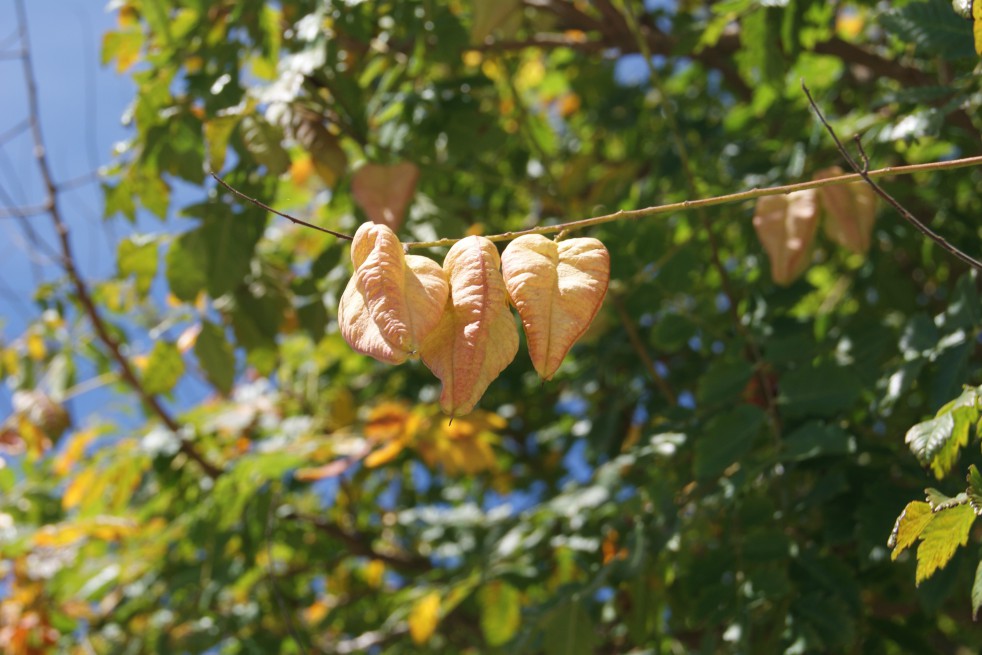
Flowering is followed by the appearance of very curious fruits: bladder-like capsules of 4 to 6 cm in the shape of lanterns. First pale green, they turn coral pink then brown. They contain spherical black seeds. These fruits persist on the tree for a large part of the winter.
Melliferous Characteristics or Wildlife Attraction
The Goldenrain tree is an excellent melliferous plant. Its nectar-rich flowers massively attract bees and bumblebees at a time of year when resources are becoming scarce. Seeds are sometimes consumed by certain birds in winter.
Exposure and Soil
Ideal Exposure:
Koelreuteria is a heliophile: it requires full sun exposure to flower abundantly. It is a tree that loves heat and long summers. It must be sheltered from cold prevailing winds that could break its brittle branches during storms.
Adapted Soil Type :
It is remarkably tolerant. It accepts all soil types, even calcareous, poor, or stony. However, it prefers well-drained soil, as it dreads stagnant moisture at the roots, especially in winter. It tolerates dry soils very well.
Planting
Tips for Soil Preparation:
Dig a wide and deep hole (3 times the volume of the pot). Loosen the bottom well to facilitate deep rooting. If the soil is heavy, add gravel or coarse sand to ensure drainage. No need to add too much rich organic matter, it flowers better in lean soil.
Spacing Between Plants:
If planting in a row, provide a distance of 5 to 6 meters between each tree. As a solitary specimen, leave a free radius of 4 meters around the trunk so that it can develop its beautiful rounded branching without direct competition.
Nature of the Soil:
The soil must be draining. The Goldenrain tree adapts to neutral to basic (alkaline) soils. It is one of the best choices for dry terrain or backfill that is difficult to vegetate. In overly rich and moist soil, it will grow faster but will be more fragile to wind and diseases.
How to Plant:
Our pot-grown trees can be planted all year round excluding frost. Hydrate the root ball well by soaking. Install the tree ensuring not to bury the graft point or the root collar. Staking is mandatory for the first few years because its wood is soft and it needs stability to anchor itself against the wind.
Watering
Water Needs at Planting:
Water copiously at planting (30 to 40 liters). During the first two summers, deep watering once every 10 days is necessary to favor deep rooting. Mineral or organic mulching will help maintain a little coolness.
Water Needs at Maturity:
Once established (after 3 years), the Goldenrain tree is perfectly autonomous and resists summer droughts very well. It no longer requires watering, except in case of extreme prolonged heatwaves on very draining soil, to support flowering.
Pruning
When and How to Prune:
Pruning is not essential but can be done in late winter (February). It must be gentle: remove dead wood and branches crossing inside the crown to aerate it. You can limb up (remove low branches) to allow walking underneath. Avoid large cuts which heal poorly.
Multiplication
Possible Propagation Methods:
The most common method is sowing the black seeds in autumn (requires cold stratification). Root cuttings in winter is also possible but more technical. Natural suckers at the base can sometimes be removed.
Uses in the Garden
Ideal Location for the Plant:
It is perfect as an isolated subject on a lawn where its shade will be appreciated, or in alignment along a wide driveway. Thanks to its resistance to pollution, it is also excellent in city gardens or street-side. Its root system is not aggressive to foundations.
Recommended Plant Associations:
Under its light canopy, you can plant sun-loving shrubs that like dry soils such as Perovskia, Lavender, or Hibiscus syriacus (Rose of Sharon) which bloom at the same time. Grasses like Stipaor Miscanthus accompany its natural style well.
Traditional Uses
Description of Historical or Cultural Uses:
In China, besides the use of pulp for soap, the hard black seeds were used to make rosaries and necklaces. The flowers are sometimes used in traditional medicine to treat eye ailments.
Protection Against Diseases and Pests
Potential Sensitivities:
Koelreuteria is a healthy tree. Its main weakness is verticillium wilt (soil fungus) which can occur if the soil is too cold, heavy, and wet. It can also present coral spot on dead wood. It is little attacked by insect pests.
Prevention Tips and Natural Treatments:
The best prevention is soil drainage at planting. Do not wound the trunk with the lawnmower. In case of a branch affected by coral spot (orange pustules), cut it cleanly well below the diseased part and burn it, then disinfect the tool.
Tips for Good Development
Practical Tips to Favour Good Development:
The key to success is staking: install a sturdy stake facing prevailing winds for the first 3 years. Do not over-fertilize, as too rapid growth makes the wood brittle. Let it live at its own pace, it will reward you with its longevity.
Features
- Common name : Goldenrain tree
- Family : Sapindaceae
- Category : tree
- Spread : 4 to 6 m
- Foliage : deciduous
- Color of flowers : yellow
- Use : Isolated, alignment,bonzaï
- Soil : rich and well-drained
- Habit : Spreading
- Earth to use : universal potting soil/garden soil/compost
- Enemies : nothing to report
- Possible diseases : resistant to diseases
Expédition & livraison
How does the delivery work?
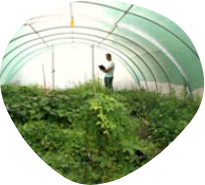 As soon as you place your order your plants are selected
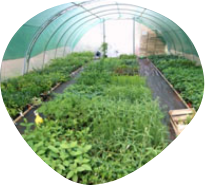 Each order is processed individually.
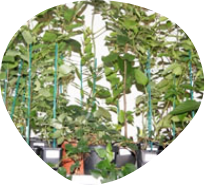 Plants are packed, staked and labeled.
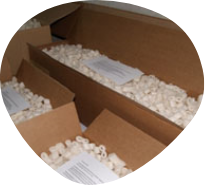 Packaging is carefully implemented to avoid any problems.
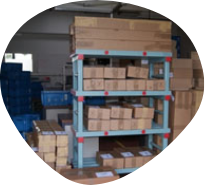 Packages are ready to be shipped.
Our delivery methods
Shipping of our plants throughout Europe (except overseas and islands).





Customer reviews
16 other products in the same category:

Himalayan White Birch
Betula Utilis Jacquemontii
Plant height
150/160 cm in 2 liter pot (Grafted plant)
- Pick up on site
- Pick up on site
Honey locust (in 5-liter pot)
Gleditsia triacanthos inermis
Plant height
150/170 cm in 5 liter pot
- Pick up on site


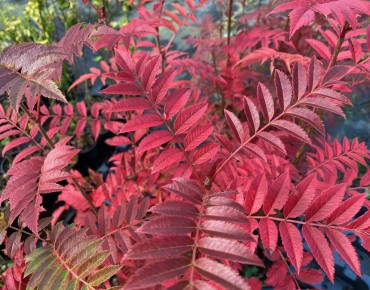
Mountain ash Autumn Spire
Sorbus aucuparia Autumn Spire
Plant height
120/130 cm in 2 liter pot (Grafted plant)
- Pick up on site
Canadian serviceberry Glenform Rainbow Pillar
Amelanchier Canadensis Glenform Rainbow Pillar
Plant height
80/100 cm in 5 liter pot
- Pick up on site


Japanese Cherry Blossom Kanzan
Prunus serrulata ‘Kanzan’
Plant height
60/70 cm in 1 liter pot (Grafted plant)
- New