- In cultivation



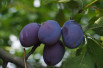
‘Bleue de Belgique’: a traditional plum with deep blue skin and golden, juicy flesh. Partially self-fertile and productive. Harvest in August. Grafted on low-stem.
Description
The ‘Bleue de Belgique’ plum tree is a traditional heritage variety valued for its deep blue fruits with golden-yellow flesh, juicy and richly flavoured. This old Belgian cultivar, grafted on low-stem rootstock, is hardy, productive, and perfect for family orchards or home fruit gardens.
Origin: Belgium
Botanical family: Rosaceae
Notable traits: Long cultivated in Wallonia and northern France, well-suited to temperate, humid climates
Mature height: 3 to 4 m (low-stem)
Mature width: about 3 m
Habit: Open, naturally well-branched
Bark: Smooth, reddish-brown to grey
Foliage: Deciduous, bright green, finely serrated
Growth: Moderate to vigorous
Hardiness: Very good (down to -25 °C)
Flowering time: April (mid-season)
Flowers: White, in clusters, bee-friendly
Fruits: Large oval fruits, bluish skin with natural bloom, golden-orange flesh, juicy, sweet, aromatic, with a pleasant tartness. Freestone.
Harvest: August to early September
Storage: Keeps 1 week fresh. Ideal for jam, baking or drying.
Ideal exposure: Full sun, sheltered from cold winds
Suitable soil: Deep, loose, fertile, well-drained
pH: Neutral to slightly calcareous
Season: November to March (frost-free)
Steps:
Dig a wide and deep hole (approx. 60 × 50 cm), loosen the bottom soil.
Mix extracted soil with mature compost or rich planting mix.
Place tree with graft above ground, secure to a strong stake.
Water generously and mulch thickly to retain moisture.
Tip: Use root and trunk guards if rodents or deer are a concern.
At planting: Thorough watering
Later: Water regularly during the first year, then only in dry spells
When and how:
Rootstock: Saint-Julien for adapted growth
Best location: Orchard, cottage garden, edible hedge
Good companions: Marigolds, mint, ground covers
Excellent both fresh and for compotes, tarts, homemade jams, or baked desserts. Its rich flavour suits rustic or refined recipes.
Potential issues: Mildly sensitive to aphids and rust, rarely affected by brown rot
Prevention: Airy pruning, horsetail sprays, or natural copper-based treatments
Choose a sunny, well-drained site. Use mulch to retain moisture. Young trees benefit from support and protection during dry spells.
Self-fertile, though yields improve with other mid-season plums (e.g., Reine-claude dorée, Reine-claude d’Oullins, Quetsche d’Alsace, Mirabelle de Metz, Mirabelle de Nancy, Victoria)
The ‘Bleue de Belgique’ plum tree is a classic heritage fruit that deserves a spot in every garden. Rustic, flavourful and productive, it rewards growers with delicious, juicy plums ideal for all kinds of preparations. Grafted on low-stem, it’s easy to grow and long-lived — perfect for gardeners who value authenticity, flavour, and ease of care.
Shipping & delivery
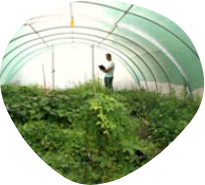 As soon as you place your order your plants are selected
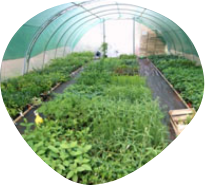 Each order is processed individually.
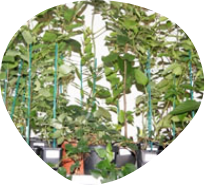 Plants are packed, staked and labeled.
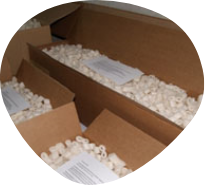 Packaging is carefully implemented to avoid any problems.
 Packages are ready to be shipped.
Expédition de nos plantes dans toute l'Europe (sauf en outre mer et les îles).
Avis clients


‘Bleue de Belgique’: a traditional plum with deep blue skin and golden, juicy flesh. Partially self-fertile and productive. Harvest in August. Grafted on low-stem.