Red Leaf Peach ‘Rubira’ — Prunus persica ‘Rubira’
Main interest
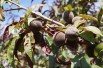
The Red Leaf Peach ‘Rubira’ is an exceptional ornamental and fruit‑bearing tree, valued for its deep purple foliage and its blood peaches with an intensely aromatic flavour. In early spring, the young leaves emerge in bright red tones before gradually darkening into a rich burgundy that remains vibrant throughout the season. This striking foliage colour gives the tree a strong visual presence, making it a focal point even outside the fruiting period. During summer, it produces juicy, red‑fleshed peaches with a sweet yet slightly tangy taste reminiscent of raspberries and other red fruits. Thanks to this dual purpose — both decorative and culinary — ‘Rubira’ is ideal for family gardens, ornamental orchards and smaller spaces where beauty and flavour are equally desired.
Origins and characteristics
Geographic origin
The peach tree originates from East Asia, where it has been cultivated for thousands of years, particularly in China. From there, it spread across the Mediterranean basin and later throughout Europe. The cultivar ‘Rubira’ is a modern horticultural selection chosen specifically for its stable purple foliage.
Botanical family
It belongs to the Rosaceae, a family that includes many fruit trees such as plums, cherries and apricots. This botanical group is known for its ornamental qualities, edible fruits and wide diversity of cultivars. The peach fits perfectly within this tradition by offering both beauty and productivity.
Notable particularities
‘Rubira’ is one of the few peach cultivars with consistently purple foliage, giving it a unique ornamental value. Historically, blood peaches were highly prized for their strong fragrance and deep red flesh, often used in desserts, preserves and syrups. This cultivar preserves these traditional qualities while adding a modern aesthetic dimension through its colourful foliage.
Description and particulars
Mature height
The tree typically reaches 3 to 4 metres, depending on soil fertility and growing conditions. In rich soil, it may grow slightly taller, especially if pruning is kept light. Its moderate size makes it suitable for medium and small gardens.
Mature width
The crown spreads to 2.5 to 3.5 metres, forming a harmonious, rounded shape. This width gives the tree a balanced appearance that fits well in ornamental settings. The canopy remains open enough to let light through, enhancing its decorative effect.
Habit
The growth habit is upright and slightly spreading, with fine, flexible branches that move gracefully in the wind. This structure gives the tree an airy appearance that contrasts beautifully with the dark foliage. The shape is easy to maintain through annual pruning.
Bark
The bark is smooth and grey‑brown on young trees, with reddish tones on new shoots. As the tree matures, the bark develops light vertical fissures that add character to the trunk. This natural evolution enhances the ornamental value of older specimens.
Foliage
The purple foliage is the signature feature of ‘Rubira’. Young leaves emerge bright red and deepen into a dark purple that can appear almost chocolate‑coloured in summer. In autumn, the foliage takes on coppery and reddish tones, giving the tree multi‑season interest.
Growth
Growth is fast, especially during the first years after planting. The tree often begins fruiting early, which is appreciated by gardeners seeking quick results. Adequate sunlight and good soil conditions further enhance its vigour.
Hardiness
‘Rubira’ is hardy down to around –15 °C, making it suitable for most temperate climates. However, the flowers are sensitive to late frosts, which may affect fruit production. A sheltered location helps reduce this risk.
Flowering and fruiting
Flowering period
Flowering occurs from March to April, depending on the climate. The blossoms often appear at the same time as the young red leaves, creating a striking decorative effect. In cooler regions, flowering may begin slightly later.
Flower description
The flowers are pale pink, medium‑sized and produced abundantly along the branches. They have a delicate fragrance and attract many pollinators, which improves fruit set. The contrast between the pink blossoms and the red foliage is particularly eye‑catching.
Fruits
The fruits are blood peaches with a velvety skin that turns red‑orange when ripe. The flesh is deep red, very juicy and has a sweet flavour balanced by a pleasant acidity. Aromas evoke raspberries, cherries and other red fruits, making the peaches ideal for fresh eating, jams, sorbets and desserts.
Melliferous or wildlife value
The flowers are rich in nectar and attract bees and other pollinating insects. This not only improves fruiting but also supports biodiversity in the garden. The tree thus plays an ecological role in addition to its ornamental and culinary value.
Exposure and soil
Ideal exposure
The tree thrives in full sun, which is essential for both foliage colour and fruit quality. The more sunlight it receives, the deeper the purple tones become. A sheltered position protects the blossoms from late frost.
Suitable soil
‘Rubira’ prefers light, well‑drained soils enriched with organic matter. Heavy, waterlogged soils are poorly tolerated and may cause root problems. A slightly acidic to neutral pH is ideal.
Planting
Soil preparation
Loosen the soil deeply and incorporate well‑rotted compost to improve structure. Ensure good drainage to prevent water stagnation. Avoid fresh manure, which may burn young roots.
Spacing
Allow 3 to 4 metres between trees to ensure good light penetration and air circulation. This reduces the risk of fungal diseases and promotes healthy growth. Adequate spacing also allows the crown to develop fully.
Soil nature
The tree tolerates neutral to slightly acidic soils that are fresh but well drained. Slightly calcareous soils may also be suitable if drainage is good. Stony soils are acceptable when enriched with organic matter.
How to plant
Plant at the same depth as in the pot and fill the hole with fine soil. Firm gently and water generously to ensure good root‑soil contact. Mulching helps retain moisture and suppress weeds.
Watering
Water needs at planting
Water regularly during the first months to maintain consistent soil moisture. The soil should remain moist but never waterlogged. Mulching helps prevent evaporation.
Water needs at maturity
Mature trees require moderate but regular watering, especially during hot summers. Extra water during fruit development improves juiciness and flavour. Avoid overwatering to prevent root rot.
Pruning
When and how to prune
Prune in late winter to maintain shape and encourage fruiting. Remove dead or crossing branches and preserve mixed shoots that bear both leaves and flower buds. An open crown improves light penetration and reduces disease risk.
Garden uses
Ideal placement
The tree is stunning as a solitary specimen, where its purple foliage can be fully appreciated. It also fits well in ornamental orchards or near terraces where its colour and fragrance can be enjoyed up close. Its compact size makes it suitable for medium‑sized gardens.
Recommended plant pairings
‘Rubira’ pairs beautifully with roses, lavender, salvia, gaura and green Japanese maples. These plants enhance colour contrast and attract additional pollinators. White‑flowering shrubs provide an elegant counterbalance.
Traditional uses
Blood peaches were traditionally used for jams, syrups and pastries due to their intense colour and flavour. They were also valued in cooking for their aromatic depth. ‘Rubira’ continues this tradition with its richly coloured, flavourful fruits.
Pests and diseases
Vulnerabilities
The tree is sensitive to peach leaf curl, powdery mildew and aphids. These issues are more common in cool, wet conditions. Proper site selection and care significantly reduce risks.
Prevention and natural treatments
Maintain an open crown, avoid nitrogen‑rich fertilisers and use natural treatments such as horsetail decoction or clay sprays. Black soap is effective against aphids. Regular monitoring helps detect problems early.
Tips for good development
Plant in full sun, water regularly during the first year and mulch the base to retain moisture. Prune annually to optimise fruiting and maintain tree health. A light organic fertiliser in spring supports growth and fruit production.
Cultivar differences and specificities
‘Rubira’ stands out for its stable purple foliage and its aromatic blood peaches. This combination of ornamental and fruiting qualities is rare among peach trees. As a result, ‘Rubira’ is both a visual and culinary asset in the garden.



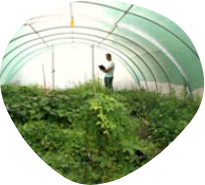 As soon as you place your order your plants are selected
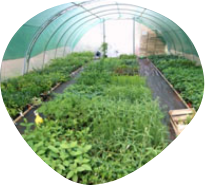 Each order is processed individually.
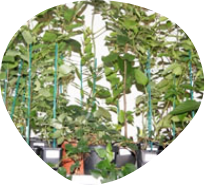 Plants are packed, staked and labeled.
 Packaging is carefully implemented to avoid any problems.
 Packages are ready to be shipped.