- New



Nashi Pear Shinko is an Asian pear variety particularly prized for the exceptional flavor of its fruit and its remarkable storage capacity. Grafted onto Cydonia oblonga 'Kwee MA' rootstock, this dwarf tree exhibits compact growth and rapid fruiting, making it ideal for home orchards. Its round, bronze-gold skin reveals a particularly sweet, fragrant flesh, perfect for extending the enjoyment of the harvest into autumn.
Description
The Nashi Pear Shinko is a top-tier fruit tree for orchard enthusiasts. This cultivar stands out for the long storage life of its fruits after harvest. As a low‑stem fruit tree, its size is naturally controlled by its rootstock, giving it a compact form ideal for medium and small gardens. In spring, the tree offers undeniable ornamental value thanks to its abundant white blossom that elegantly covers the branches. Fruiting is not only rapid—appearing just a few years after planting—but also consistent from one year to the next. Growing Nashi 'Shinko' guarantees fruits of great finesse, rich in aroma and with a crisp texture.
This high‑quality horticultural variety was developed and selected in Japan, a country renowned for its centuries‑old expertise in Asian pear breeding. It was introduced to the horticultural market during the 20th century to meet the need for late‑season, long‑keeping production. Its robustness quickly made it a popular cultivar beyond Japan, particularly in northern Europe.
Nashi Shinko belongs to the large Rosaceae family, which includes most traditional orchard fruit trees such as apples, pears, and plums. Members of this family share characteristic five‑petalled flowers and a reproductive system highly attractive to pollinating insects. This botanical kinship also explains its excellent adaptation to temperate climates.
The name 'Shinko' carries strong symbolic meaning in Japan, often evoking notions of renewal, progress, or trust in the horticultural future. Botanically, this cultivar is notable for its high natural tolerance to fire blight, a devastating disease that frequently affects common pear trees. Its thicker, corky skin provides an effective natural barrier against shocks and storage diseases.
Under the regulating influence of the Cydonia oblonga 'Kwee MA' rootstock, this pear tree stabilises at around 3 meters at maturity. This moderate height allows all maintenance, thinning, and harvesting operations to be carried out at arm’s reach without special equipment. It integrates harmoniously into the lower tree layer of a landscaped garden.
The crown spreads to about 2.50 meters in diameter at maturity, forming a compact silhouette. This controlled spread optimises orchard space and prevents excessive shading of nearby crops.
The natural habit is rounded and spreading, with strong scaffold branches that open well to capture light. The bushy structure becomes self‑balanced over the years, forming a dense, sturdy framework capable of supporting a heavy fruit load. This compact form also provides excellent wind resistance.
The bark of young shoots displays an olive-brown to greyish tone, dotted with numerous pale lenticels, giving it a rough appearance. As the tree ages, the main trunk develops a darker grey-brown cracked texture that offers excellent protection against winter temperature fluctuations.
The deciduous foliage consists of large, oval leaves with pointed tips and finely serrated edges in a shiny dark green. They form a dense dome of greenery throughout summer. In autumn, the leaves turn copper and gold before falling.
The growth rate is moderate, with the tree quickly directing its sap towards flower formation rather than excessive vegetative growth. This structural moderation greatly simplifies crown shaping during the first years. The wood is dense and highly resistant to breakage.
This cultivar shows excellent hardiness, tolerating winter temperatures down to -20°C without difficulty. Its woody structure withstands prolonged frost, making it suitable for central and northern European climates. The flower buds, well protected by their winter scales, are not easily damaged by cold winters.
The dense and spectacular flowering unfolds in April, covering the branches with numerous spring buds.
The flowers, a pure bright white, are grouped in clusters that open at the same time as the first leaves. They bear delicate stamens with dark anthers, creating a charming visual contrast, and release a light fragrance that attracts beneficial wildlife.
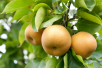
The fruit is a large, rounded nashi resembling an apple, with a rough skin of golden‑bronze to russet colour dotted with grey lenticels. Its white, firm flesh is remarkably juicy and crisp, revealing very sweet flavours with low acidity. Harvest takes place in September, and the fruits store exceptionally well for several weeks in a cool room. For optimal fruiting, compatible pollinators such as Hosui, Chojuro or Nijisseiki are required.
The spring flowers offer abundant pollen and high-quality nectar, highly sought after by bees and bumblebees. The dense crown provides safe nesting sites for small garden birds. Late fruits left on the tree at the end of the season serve as an important energy source for wildlife before winter.
Nashi Shinko requires full sun to ensure optimal sugar accumulation in the fruits and to achieve a rich russet color. A sheltered location is recommended to protect the spring blossom and limit fruit drop in autumn. Good light also helps maintain healthy foliage resistant to fungal diseases.
The planting hole should be worked wide to loosen the soil and encourage shallow root expansion. Mix the native soil with well‑decomposed organic matter such as mature compost. Since our plants are grown and delivered in pots, planting is possible year‑round except during severe frost.
For a fruit hedge or aligned orchard, maintain a distance of 2.50 to 3 meters between trees. This ensures sufficient light on all sides of the crown and good air circulation, reducing fungal risks.
Nashi prefers cool, fertile, sandy‑loam soils, neutral to slightly acidic. It is sensitive to highly calcareous soils, which cause iron chlorosis, and to excessively dry soils.
Hydrate the root ball by soaking it in water before placing it in the centre of the hole, ensuring the graft union remains above soil level. Backfill, firm lightly, and create a watering basin. A sturdy stake is recommended to protect the young tree from wind.
A generous weekly watering is essential throughout the first growing season to help the root ball merge with the garden soil.
Because the quince rootstock has shallow roots, the tree does not tolerate prolonged drought. Regular watering in July, August and September is necessary to ensure large, juicy fruits. Lack of water in late summer may cause shrivelling or premature fruit drop.
Pruning for fruiting and maintenance is carried out in late winter, ideally in February or March, outside frost periods. Remove dead wood, vertical suckers, and crossing branches to allow light into the center. Shorten last year’s shoots above a wood bud to encourage fruit spur formation. In June, thin the fruits manually, keeping only one nashi per cluster.
To preserve the unique flavor qualities of the 'Shinko' cultivar, propagation must be done by grafting. The rootstock Cydonia oblonga 'Kwee MA' ensures compact growth and early fruiting. For larger development, Pyrus calleryana is preferred. Seed propagation does not preserve varietal traits.
Thanks to its compact, low-stem growth, this Asian pear is ideal for small urban orchards, family gardens, or mixed fruit hedges. Its spring blossom and autumn foliage also make it suitable as a standalone ornamental tree.
Nashi Shinko shows good overall resistance but may occasionally suffer from grey aphids in spring, which deform young shoots. In summer, codling moth is the main pest, its larvae tunneling into the fruit. Preventive treatments with fern slurry or pheromone traps help manage these pests ecologically.
To maintain soil fertility, apply a ring of well‑matured compost around the base each autumn. Keep a thick organic mulch in summer to preserve soil moisture. A light lime wash on the trunk in winter can help eliminate overwintering parasites.
In terms of flavour, Shinko’s flesh is sweeter than that of other varieties, with very low acidity, making it exceptionally mild. Its major strength remains its outstanding storage capacity, far superior to most other nashis.
Shipping & delivery
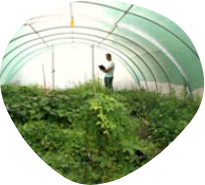 As soon as you place your order your plants are selected
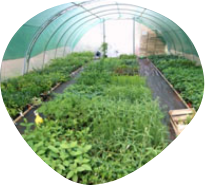 Each order is processed individually.
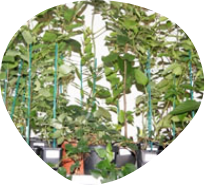 Plants are packed, staked and labeled.
 Packaging is carefully implemented to avoid any problems.
 Packages are ready to be shipped.
Expédition de nos plantes dans toute l'Europe (sauf en outre mer et les îles).
Avis clients


Nashi Pear Shinko is an Asian pear variety particularly prized for the exceptional flavor of its fruit and its remarkable storage capacity. Grafted onto Cydonia oblonga 'Kwee MA' rootstock, this dwarf tree exhibits compact growth and rapid fruiting, making it ideal for home orchards. Its round, bronze-gold skin reveals a particularly sweet, fragrant flesh, perfect for extending the enjoyment of the harvest into autumn.
Your cart is empty
Continue shopping