- New



The Nashi pear Nijisseiki is a compact and highly productive fruit tree that yields delicious, round Asian pears with smooth, green-yellow skin. Developed through traditional Japanese breeding, this cultivar offers incredibly crisp and refreshing white flesh, particularly rich in sweet juice. Its grafting onto Cydonia oblonga 'Kwee MA' ensures rapid fruiting and perfectly controlled growth.
Description
The Nashi Pear Nijisseiki is an excellent choice for gardeners looking for a fruit tree that is compact, moderately vigorous (3 m), and highly productive. This self-fertile cultivar stands out for the quality of its spherical, apple-like fruits, which feature a smooth, thin skin that turns a beautiful yellow-green colour at maturity. As a low-stem fruit tree, its development is ideally channeled by its quince rootstock, Kwee MA, making it perfectly suited for small spaces, urban vegetable gardens, or row planting. In spring, it offers a very dense white flowering that holds real ornamental value before the fruits form. Fruit bearing is particularly fast, often occurring from the second year after planting. It is a reliable variety for anyone wishing to harvest very thirst-quenching, crunchy, and water-rich fruits, while enjoying a robust tree that is easy to manage on a daily basis.
This historic variety was discovered by chance in 1888 in Chiba Prefecture, Japan. Its name 'Nijisseiki' translates to "Twentieth Century", a name chosen to celebrate the future of modern pomology at the dawn of the 1900s.
The Nashi belongs to the Rosaceae family, a major botanical group that includes the majority of fruit trees in our temperate climates, including common apple and pear trees. This family is recognized by its regular flowers with five petals and its fleshy fruits.
The Nijisseiki is one of the most widely cultivated and appreciated Nashi pears worldwide due to the thinness of its skin and its crunchy texture. Historically, in Japan, the fruits were individually protected on the tree with paper bags to obtain a perfect, blemish-free skin. It is this precise cultivar that introduced and popularised the concept of the "apple-pear" in Europe.
Thanks to the dwarfing influence of the Cydonia oblonga 'Kwee MA' rootstock, this tree reaches a final height of 3 metres at maturity. This moderate size considerably facilitates pruning, biological treatments, and picking without requiring a ladder.
The spread of its crown stabilises around 2.50 metres, developing a compact silhouette. This small footprint allows it to be planted in restricted spaces or to create dense fruit hedges along a fence.
The habit is rounded and bushy, with a well-branched structure from the base giving it a stocky and solid appearance. The main branches rise evenly, allowing a balanced distribution of light and fruit.
The bark of young shoots is a fairly smooth coppery brown, dotted with small, clearly visible grey lenticels that facilitate tissue respiration. As it ages, the main trunk takes on a darker grey-brown hue and begins to furrow slightly, increasing its resistance to the elements.
The deciduous foliage consists of large, oval, and elongated leaves, finely serrated at the edges, of a shiny dark green. They form a dense green screen throughout the summer before taking on superb purple and orange autumn hues.
The growth rate is moderate, as the rootstock restrains the excessive production of wood in favour of rapid flower bud formation. The tree structures its silhouette in an orderly fashion, which limits the need for drastic pruning interventions.
It possesses excellent hardiness and tolerates minimum temperatures down to -24°C without any damage. Its woody structure tolerates harsh winters very well, securing its cultivation in most regions of Northern Europe.
Flowering takes place during the month of April, a pivotal period when the tree becomes covered with a multitude of flower buds.
The flowers are pure white, grouped in compact clusters that appear at the same time as the first leaves. They feature delicate stamens with dark tips, creating a very elegant visual contrast in spring.
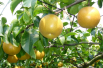
The fruit is a well-rounded Asian pear, with a smooth, light yellow-green skin dotted with fine lenticels. Its white flesh is very crunchy, juicy, and offers a mild, sweet, and refreshing flavour. Harvesting takes place from late August to early September. Although the Nijisseiki is partially self-fertile, its yield is significantly higher if it is associated with varieties such as Chojuro or Hosui.
The flowers produce accessible pollen and high-quality nectar that attract bees and bumblebees from early spring. The density of the compact branches offers an ideal nesting and shelter site for small garden birds.
This Nashi requires a full sun exposure so that its fruits accumulate maximum sugars and take on their beautiful golden colour. A location sheltered from cold drafts is recommended to protect the spring flowering and prevent the fruits from falling prematurely due to wind action in late summer.
The planting pit must be worked wide to loosen the soil and facilitate the establishment of the Nashi's shallow roots. An addition of well-decomposed compost or organic matter will promote a good soil structure. Planting can be done in all seasons, outside of frost periods.
For a row planting or a family orchard, allow a distance of 2.50 to 3 metres between each tree. This spacing allows air and light to circulate freely, which is essential for foliage health.
The rootstock of this Nashi, Cydonia oblonga 'Kwee MA', prefers cool, fertile, and sandy-clay soils, from neutral to slightly acidic. It dislikes excessively calcareous soils which block iron assimilation and cause leaf yellowing, as well as excessively dry lands.
Install the previously hydrated root ball in the centre of the hole, taking scrupulous care that the graft union remains about 5 centimetres above soil level. Fill in with soil, tamp lightly at the base to eliminate air pockets, and form a watering basin. A solid stake fixed to the trunk is essential to stabilise the tree while its roots anchor into the soil.
Copious and regular watering is necessary during the entire first year following planting, at a rate of one major supply per week during the summer period. This ensures good cohesion between the root ball and the surrounding soil for a successful recovery.
As the root system remains relatively shallow, this Nashi is sensitive to prolonged water shortage. To obtain good-sized and very juicy fruits, regular watering is highly recommended during July and August, while avoiding saturating the soil.
Pruning is practiced in late winter, in February or March, outside of frosty days. It consists of cleaning the centre of the tree by removing dead wood, misplaced branches, or those that cross each other to promote sunlight penetration. For this cultivar grafted on Kwee MA, shorten the secondary shoots to stimulate the appearance of fruiting spurs that will bear the fruits close to the main branches. Thinning of the fruits is recommended in June: leave only one nashi per cluster to prevent excessive weight from exhausting the tree or breaking the branches.
The multiplication of this Asian pear tree is done exclusively by grafting onto an adapted rootstock. The choice of Cydonia oblonga 'Kwee MA' guarantees the faithful transmission of the taste characteristics of the Nijisseiki while adapting the tree to small spaces and ensuring rapid fruit bearing. Sowing would yield very heterogeneous wild plants that do not conform to the original variety.
Due to its reduced dimensions, this Nashi ideally finds its place in small urban gardens, courtyards, or as a standalone specimen on a lawn. It is perfect for creating a gourmet fruit hedge along a terrace or a vegetable patch. It is a highly aesthetic subject that combines a remarkable spring flowering and a harvest of original fruits.
The Nijisseiki shows good general tolerance but can be subject to attacks from rosy apple aphids in spring, which curl the young leaves. In summer, the codling moth can lay eggs in the fruits, resulting in wormy nashis. A spray of black soap or the installation of specific pheromone traps allows for the ecological control of these pests.
To support the tree's production and vigour, apply a mulching of mature compost at the base of the tree every autumn. Ensure that the soil remains cool but well-drained, as the Kwee MA rootstock fears root asphyxiation caused by stagnant water in winter. An addition of wool felt or organic mulch at the base in summer will help retain the moisture necessary for the good development of the fruits.
Shipping & delivery
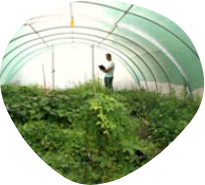 As soon as you place your order your plants are selected
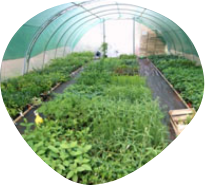 Each order is processed individually.
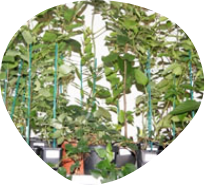 Plants are packed, staked and labeled.
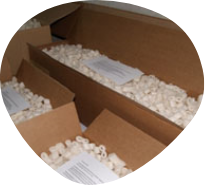 Packaging is carefully implemented to avoid any problems.
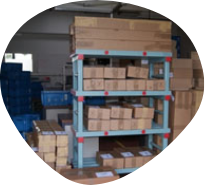 Packages are ready to be shipped.
Expédition de nos plantes dans toute l'Europe (sauf en outre mer et les îles).
Avis clients


The Nashi pear Nijisseiki is a compact and highly productive fruit tree that yields delicious, round Asian pears with smooth, green-yellow skin. Developed through traditional Japanese breeding, this cultivar offers incredibly crisp and refreshing white flesh, particularly rich in sweet juice. Its grafting onto Cydonia oblonga 'Kwee MA' ensures rapid fruiting and perfectly controlled growth.
Your cart is empty
Continue shopping