- New




Malus domestica 'Calville Blanche d'Hiver' is a historic and prestigious apple variety, cultivated since the 17th century and renowned for the exceptional gastronomic quality of its fruit. Highly prized by gourmets and chefs, this winter apple is distinguished by its characteristic ribbed shape, fine flesh, and unmistakable aroma. Its adaptation on the MM111 rootstock makes it a robust, durable tree perfectly sized for modern orchards and medium-sized gardens.
Description
The primary interest of the 'Calville Blanche d'Hiver' variety lies in the exceptional flavor of its fruit, which improves after a few weeks of storage. This premium apple has white, tender, juicy flesh that is both sweet and tangy, exuding a unique aroma of banana and spices. It is the ultimate apple for high-end tarts and fine compotes, as it holds its structure while becoming melt-in-the-mouth when cooked.
This very old variety is believed to originate from Normandy (France) or the canton of Vaud (Switzerland) and was first mentioned in the early 17th century. Due to its superior taste quality, it quickly conquered royal tables, including that of Louis XIV at Versailles.
The apple tree belongs to the Rosaceae family and the species Malus domestica. Its biology is characterized by a mid-season to late flowering, which generally protects the blossom from early spring frosts.
This variety is grafted onto an MM111 rootstock. My experience as a nurseryman shows that this choice is ideal because MM111 gives the tree excellent medium vigor, relatively quick fruiting (3 to 4 years), and remarkable resistance to drought and woolly apple aphid. Furthermore, it offers very good root anchorage, often making long-term staking unnecessary.
Thanks to the careful selection of the MM111 rootstock, the height at maturity stabilizes at around 3 meters. This moderate size greatly facilitates pruning, treatment, and especially harvesting operations.
The spread of its canopy reaches approximately 2.5 to 3 meters at maturity. The tree develops a well-proportioned crown that remains naturally balanced over the years.
Its habit is upright to spreading. Initially vertical, the branches naturally arch under the weight of the fruit over the seasons, giving the adult tree an open silhouette that encourages light penetration.
The bark is greyish-brown, becoming rough and slightly cracked with age, which is typical and healthy for apple trees of this lineage.
Its deciduous leaves are ovate, matte dark green on top and slightly downy underneath, with finely serrated margins. They turn a discreet yellow in autumn before falling.
The growth rate is moderate. The tree concentrates its energy on establishing a solid framework during the first few years before stabilizing its growth in favor of fruiting.
This apple tree is extremely cold-resistant, displaying hardiness down to -25 °C. The buds and wood withstand the harsh winters of our regions perfectly.
Flowering occurs in April-May. The blossoms appear as soft pink buds before opening into bright white corollas.
The flowers are simple, composed of 5 pinkish-white petals, grouped in cymes. They are very nectariferous and attract many pollinating insects.
Cox's Orange Pippin, Granny Smith, Idared, Golden Delicious, Melrose, Reine des Reinettes, Reinette Étoilée, Calville Rouge, and Transparente de Croncels. Ornamental apple trees include: Perpetu Evereste and John Downie.
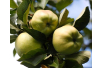
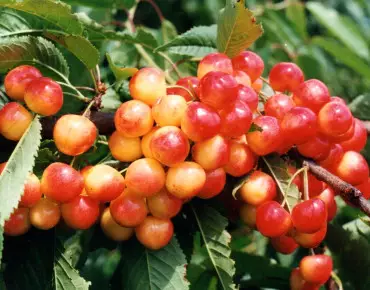
The fruit is large, irregular in shape, and strongly ribbed at both poles. The skin is initially greenish-yellow, becoming a beautiful light yellow at maturity, sometimes flushed with pink where exposed to the sun. Its white flesh is fine, crisp then melting, very juicy, and particularly rich in vitamin C. The taste is perfectly balanced between sugar and acidity.
From October to November. The apples should not be eaten immediately, as they are too acidic at this stage. After aging in a well-ventilated cellar, they develop their full sweetness and aroma. They are delicious from December onwards and can be kept until March.
As a nurseryman, I often recommend this variety because its generous spring bloom is an important food source for bees, while the few fruits left on the ground in winter feed the garden birds.
The apple tree requires an exposure in full sun to ensure optimal ripening of the fruit and maximize its sugar content. A location sheltered from cold dominant winds is preferable.
The ground must be worked deeply to remove stones and weed roots. Adding well-rotted compost or manure to the bottom of the planting hole will greatly stimulate the start of the root system.
It is advisable to allow a distance of 3 to 4 meters between trees if planting in rows or an orchard, to give them the necessary space to catch the light.
It thrives fully in deep, loose, fresh but well-drained soil, ideally loamy or sandy-clay. It dislikes waterlogged soils in winter and ground that is too acidic or too calcareous.
Dig a hole two to three times larger than the root ball. Install a stake if the area is windy. Place the tree, taking strict care that the graft union remains 5-10 cm above the soil level. Backfill with enriched garden soil, firm down, and water generously.
Regular and copious watering is essential during the first two years after planting, especially during dry periods in spring and summer, to ensure good establishment.
Once well established on its MM111 rootstock, the tree tolerates short dry spells well. However, to maintain a regular fruit size, supplemental watering during a heatwave is beneficial.
Fruiting pruning is carried out in winter, outside periods of frost (January to March). My advice as a nurseryman is to practice light pruning aimed at thinning the center of the tree to let in air and light, and shortening branches that are too long to bring sap closer to the fruit buds.
The variety is propagated exclusively by grafting (budding in August or crown/cleft grafting in spring) onto the MM111 rootstock to retain all its original characteristics.
Ideal as a specimen tree in a medium-sized garden, within a traditional orchard, or integrated into a mixed fruit hedge. Its silhouette and spring bloom also give it an undeniable ornamental value.
'Calville Blanche d'Hiver' can be sensitive to scab and powdery mildew if the spring is very humid. Proper spacing at planting and an open pruning method greatly limit stagnant moisture in the foliage and reduce the risk of disease.
The harvest takes place in October, but the apples reach their full flavor maturity after storage in a cool, ventilated cellar from December onwards, and can easily be kept until March.
1. When should Calville Blanche d'Hiver apples be harvested, and when are they ready to eat? Harvesting generally takes place in October, just before the first hard frosts. However, the apples should not be eaten immediately, as they are too acidic at that stage. After being stored in a well‑ventilated cellar, they develop their full sweetness and aromas; they are excellent from December onward and keep until March.
2. Is the Calville Blanche d'Hiver apple tree self‑fertile? No, this apple tree is not self‑fertile. To achieve good fruiting, it requires nearby apple varieties that bloom at the same time in spring to ensure cross‑pollination. Cox's Orange, Granny Smith, Idared, Golden Delicious, Melrose, Reine des Reinettes, Reinette Étoilée, Calville Rouge, Transparente de Croncels, as well as ornamental crabapples such as Perpetu Evereste and John Downie, are excellent pollinators.
3. Why is the choice of the MM111 rootstock important for this tree? The MM111 rootstock is an excellent compromise for gardens. It limits the mature height of the tree to around 3 meters (making maintenance easier) while providing early fruiting, a very strong root system, and high resistance to summer drought and woolly apple aphid.
4. Is this heritage variety suitable for pies and applesauce? Yes, it is historically one of the finest culinary apples. Its aromatic richness and perfect sugar‑to‑acidity balance make it exceptional for cooking. It does not collapse completely when cooked yet becomes extremely tender, which is ideal for tarte Tatin or smooth applesauce.
5. How can I prevent my apple tree from being affected by diseases such as apple scab? The ‘Calville Blanche d'Hiver’ can be sensitive to stagnant humidity. Plant it in a sunny location and respect proper spacing. Perform thinning pruning each winter so that air circulates well through the canopy, allowing the foliage to dry quickly after rain.
Shipping & delivery
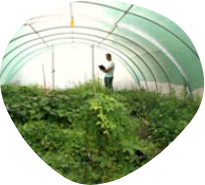 As soon as you place your order your plants are selected
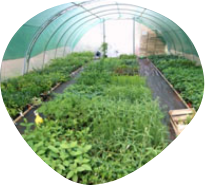 Each order is processed individually.
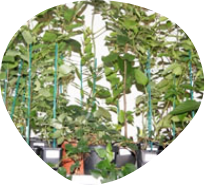 Plants are packed, staked and labeled.
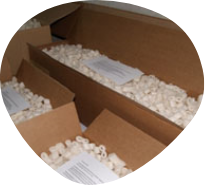 Packaging is carefully implemented to avoid any problems.
 Packages are ready to be shipped.
We ship our plants throughout Europe (excluding overseas territories and islands).
Avis clients




Malus domestica 'Calville Blanche d'Hiver' is a historic and prestigious apple variety, cultivated since the 17th century and renowned for the exceptional gastronomic quality of its fruit. Highly prized by gourmets and chefs, this winter apple is distinguished by its characteristic ribbed shape, fine flesh, and unmistakable aroma. Its adaptation on the MM111 rootstock makes it a robust, durable tree perfectly sized for modern orchards and medium-sized gardens.
Your cart is empty
Continue shopping