- New



The Cox's Orange Pippin apple tree produces fragrant apples with exceptional flavor. This historic English variety remains a benchmark among the best dessert apples.
Description
The Cox's Orange Pippin apple tree is considered by many enthusiasts to be one of the best dessert apples. An essential reference in the pomological world for over 150 years, this English variety is particularly appreciated for the exceptional richness of its aromas. Its fine flesh, crunchy and then melting at maturity, develops a remarkable balance between sugars, acidity, and complex fragrant notes that few other varieties equal.
Unlike some modern apples selected mainly for their appearance or storage life, the Cox's Orange Pippin built its reputation on its taste qualities. The fruits offer a rich aromatic palette, sometimes evoking citrus, honey, exotic fruits, and dried fruits. This complexity still earns it a choice place today in collection orchards as well as in home gardens.
The tree also features a decorative spring flowering, highly appreciated by pollinators. Its regular production and the exceptional quality of its fruits explain why this historic variety remains a benchmark in many European countries despite the appearance of hundreds of more recent cultivars.
The Cox's Orange Pippin appeared around 1825 in Buckinghamshire, England. It is believed to have been raised by Richard Cox, a passionate amateur horticulturist, from a seedling whose exact origin remains partially unknown.
The variety quickly acquired an exceptional reputation thanks to the taste quality of its fruits. Even today, it often serves as a benchmark when evaluating new apple varieties intended for fresh consumption.
The apple tree belongs to the Rosaceae family, which also includes pear, quince, plum, cherry trees, and many ornamental species. This family groups together some of the most cultivated fruit trees in the world.
The Cox's Orange Pippin is often considered the benchmark for dessert apples. Its reputation is essentially based on its exceptional eating quality rather than its productivity or ease of cultivation.
Grafted onto a rootstock adapted to the home garden, the tree reaches about 3 metres in height at maturity. This size allows for easy harvesting without specific equipment.
The crown generally reaches between 2.5 and 3 metres in width. Its balanced development facilitates the penetration of light within the tree.
The habit is naturally spreading to semi-upright. The main branches progressively form a solid framework capable of supporting abundant harvests.
The bark is greyish-brown and splits progressively with age. Young shoots often show decorative reddish-brown hues during the winter.
The deciduous foliage is composed of oval, medium to dark green leaves. Their density effectively protects the fruits from sunburn caused by intense summer heat.
Growth is moderate but regular. This controlled vigour facilitates the training of the tree and limits excessive pruning interventions.
The Cox's Orange Pippin shows good hardiness and generally withstands temperatures close to -20 to -25°C depending on growing conditions.
This apple tree is grafted onto the MM111 rootstock, recognized for its excellent balance between vigour and ease of management. It develops a deep root system that improves resistance to dry periods and promotes good anchoring in the soil.
The MM111 is particularly suitable for home gardens thanks to its longevity, its robustness, and its adaptation to a wide range of terrains, even poor ones. It also allows for a tree of reasonable size while maintaining a good production capacity. Furthermore, it has good natural resistance to collar rot and root rot.
Flowering generally occurs between April and May depending on the region and spring weather conditions.
Flowers appear in abundance on the fruiting branches. The deep pink buds open into particularly elegant pinkish-white corollas.
This flowering constitutes an important source of nectar and pollen for bees and many pollinating insects.
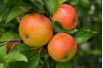
The apples are medium to large, slightly flattened, and sometimes irregular. Their skin features a golden yellow background largely tinged with orange-red and fine red stripes.
The flesh is fine, dense, very juicy, and particularly fragrant. The aromas are complex and evolve during storage. Notes of citrus, honey, dried fruits, and sometimes even exotic fruits are often found.
The harvest generally takes place between September and October. The fruits reach their optimal quality after a few weeks of storage and can be kept for several months under good conditions.
The Cox's Orange Pippin is not self-fertile. It requires the presence of other compatible apple trees to ensure good pollination.
The following varieties make excellent pollinators:
The presence of several varieties in the same orchard often improves the regularity and abundance of harvests.
The flowering attracts a high diversity of pollinators and actively contributes to the garden's biodiversity.
A full sun exposure is recommended to obtain well-coloured and flavor-rich fruits. Good air circulation also reduces the risks of fungal diseases.
The ground must be loosened deeply before planting. An input of well-rotted compost improves soil structure and promotes good recovery.
Allow about 3 to 4 metres between two apple trees to permit proper development of the crown.
The Cox's Orange Pippin appreciates fertile, deep, and well-drained soils. It tolerates a slight presence of limestone but generally prefers balanced lands rich in organic matter.
The graft union must remain visible above ground level. After planting, a copious watering promotes contact between the roots and the soil.
Regular waterings are necessary during the first years to ensure good rooting.
Once established, the tree becomes relatively autonomous. Waterings nevertheless remain beneficial during periods of prolonged drought.
Pruning of the apple tree is mainly carried out in winter (dormant period) to clean out dead wood, remove vertical water sprouts, and clear the center of the canopy. In summer, summer pruning allows for regulating the tree's vigour and optimizing the sun exposure of the fruits. The essential action consists of cutting back to three or four buds on the lateral branches, just above an outward-facing eye.
A well-aerated crown promotes the quality of the fruits, their coloration, and limits certain health issues.
Like all quality fruit apple trees, the Cox's Orange Pippin is multiplied by grafting in order to faithfully preserve the characteristics of the cultivar.
This variety naturally finds its place in a family orchard, a kitchen garden, or a collection of old varieties.
The Cox's Orange Pippin associates harmoniously with borage, comfrey, chives, lavender, currant bushes, and pear trees.
Mainly intended for fresh consumption, this apple is also excellent in pastries, compotes, juices, and refined desserts.
The variety can show sensitivity to scab and powdery mildew under certain humid conditions. Regular monitoring is recommended.
Good aeration of the crown, a sunny location, and maintaining high biodiversity allow for limiting problems naturally.
A living soil, regularly enriched with organic matter, promotes fruit quality. A light thinning after fruit set often improves the size and flavor of the apples.
Few varieties possess a taste reputation comparable to that of the Cox's Orange Pippin. Its exceptional aromatic balance, its fine flesh, and its richness in flavors explain why it remains a global reference among dessert apples.
The harvest generally takes place between September and October depending on the regions and climatic conditions.
No, it requires the presence of another compatible apple tree to ensure good pollination.
It is recognized for the exceptional complexity of its aromas and the remarkable balance between sugar and acidity.
Yes. In a cool and ventilated room, the apples can be stored for several months while developing their aromas even further.
Yes. Its moderate size, its exceptional eating quality, and its good hardiness make it an excellent choice for private individuals.
Shipping & delivery
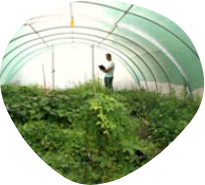 As soon as you place your order your plants are selected
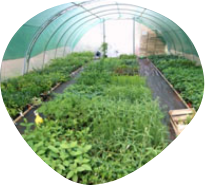 Each order is processed individually.
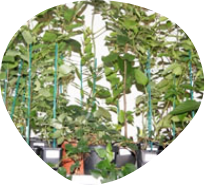 Plants are packed, staked and labeled.
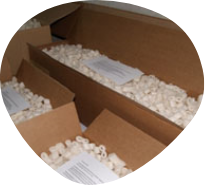 Packaging is carefully implemented to avoid any problems.
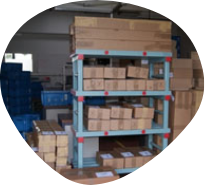 Packages are ready to be shipped.
We ship our plants throughout Europe (excluding overseas territories and islands).
Avis clients


The Cox's Orange Pippin apple tree produces fragrant apples with exceptional flavor. This historic English variety remains a benchmark among the best dessert apples.
Your cart is empty
Continue shopping