
- Out-of-Stock

Strawberry Spinach
Chenopodium Capitatum
Strawberry Spinach is a must-try curiosity! This heritage plant offers spinach-flavored leaves and beautiful decorative red fruits. Easy to grow in pots or in the garden, it is the 2-in-1 vegetable that will surprise your guests and delight your salads.
Description
Strawberry Spinach - Chenopodium capitatum
Introductory Summary
Strawberry Spinach, botanically named Chenopodium capitatum or Blitum capitatum, is a fascinating heritage vegetable that brings a touch of curiosity to the modern kitchen garden. This annual plant is a dual-purpose wonder: it first produces abundant, edible triangular leaves similar to spinach, and later in the season, it displays striking red berry-like clusters resembling strawberries or raspberries. It is a "two-in-one" plant that is as ornamental as it is nutritious, perfect for gardeners who want to combine utility with beauty.
Regarding flavor, Strawberry Spinach should not be mistaken for a sweet fruit variety. While its leaves offer a pleasant nutty taste akin to traditional spinach, the red berries are mild and earthy rather than sugary, reminiscent of fresh beetroot. Easy to grow and very hardy, it is the perfect plant to surprise your guests, engage children in gardening, and add a wild, original touch to your summer and autumn salads.
Origins and Botanical Family
Geographical Origin
This plant is native to temperate regions of the Northern Hemisphere, found wild in North America and parts of mountainous Europe. It was historically gathered by indigenous peoples and European farmers for its simplicity before falling out of favor compared to modern spinach.
Botanical Family
Strawberry Spinach belongs to the Amaranthaceae family (formerly Chenopodiaceae), alongside beets, chard, quinoa, and common spinach. The genus Chenopodium groups together plants often considered resilient and nutritious "useful weeds."
Historical Particularities
Considered a "forgotten vegetable," it was once commonly grown in monastery gardens. It is currently enjoying a revival thanks to the permaculture movement and the growing interest in food biodiversity and heirloom varieties.
Botanical Description and Characteristics
Mature Height and Habit
It is an herbaceous annual that initially forms a low rosette before sending up flower stalks that can reach 40 to 60 cm in height. Its habit is upright but can sprawl slightly under the weight of the fruit, giving it a natural, bushy appearance.
Foliage Description
The leaves are triangular, hastate (spear-shaped), and serrated, with a bright light-to-medium green color. They are tenderest when young, becoming smaller and sparser along the flower stalk as the plant bolts to seed.
The Fruit
What look like "strawberries" are actually glomerules: clusters of small flowers that become fleshy and bright red upon maturity. These fruits appear in the leaf axils along the main stem, creating a spectacular red garland in late summer.
Sowing and Culture Conditions
Ideal Sowing Period
Sow directly in place or in a nursery bed from March to July, which allows for staggered harvests. Sow early for spring greens, or in June/July to enjoy the decorative berries in autumn.
Ideal Germination Temperature
Seeds germinate quite easily when the soil begins to warm up, ideally between 15°C and 20°C. They do not require tropical heat, as this is a plant adapted to temperate and cool climates.
Germination Time
Emergence generally occurs between 10 and 15 days after sowing, depending on soil moisture and temperature. Keep the substrate moist until the first seedlings appear to ensure a good germination rate.
Sowing Depth and Spacing
Sow superficially at about 0.5 cm depth or barely cover the seeds with fine soil, then tamp down lightly. After emergence, it is crucial to thin the plants to leave one every 25 to 30 cm, so each plant can develop without competition.
Recommended Soil Type
Strawberry Spinach is undemanding and tolerates most garden soils, but it prefers humus-rich, cool, and well-drained earth. Soil that is too dry will accelerate bolting at the expense of leaf production, while heavy soil can suffocate roots.
Ideal Exposure
A sunny exposure is recommended to obtain beautiful red fruits at the end of the season. However, in very hot regions, light partial shade will be beneficial to keep the leaves tender longer and prevent early drying.
Thinning Method
When young plants have developed 3 or 4 true leaves, remove the weakest ones to aerate the row. You can transplant the removed plants or consume them immediately as micro-greens in a salad, as every part of this plant is useful.
Water Requirements
Watering must be regular to keep the soil cool, especially if you are growing the plant for its foliage. Water stress will make the leaves tougher and trigger flowering, although this is necessary if your goal is to obtain the red fruits.
Maintenance and Care
Pruning and Pinching
No specific pruning is necessary for this easy-going annual plant. If you only wish to consume the leaves, you can pinch off the flower stalks as soon as they appear to prolong green production, but you will miss out on the pretty fruits.
Disease Prevention
Strawberry Spinach is a hardy plant, not very susceptible to classic vegetable garden diseases. However, watch out for slugs and snails in spring, as they love the tender young shoots just as much as they love standard spinach.
Harvest
Harvest Period
Leaf harvest begins about 10 to 12 weeks after sowing, usually from May to October depending on the planting date. The red fruits appear later, generally in late summer and early autumn, adding color to the fading garden.
Recognizing Maturity
Leaves are harvested as needed, prioritizing the youngest for salads and the largest for cooking. The fruits are ripe when they are an intense red and slightly soft to the touch; they then detach easily from the stem.
Average Yield
The leaf yield is decent for a plant of this size, sufficient to regularly garnish salads. Fruit production is abundant, with each stem potentially bearing dozens of red clusters along its entire length.
Storage Method
Leaves are fragile and must be consumed very quickly after picking, like fresh spinach (2-3 days in the fridge). The fruits do not keep long and are best enjoyed directly from the plant or used quickly for culinary decoration.
Garden Usage
Placement in the Vegetable Garden
This plant fits equally well in vegetable rows and ornamental borders thanks to its aesthetic appeal. It is perfect in pots or window boxes on a balcony, where its cascading red fruits will make a sensation in autumn.
Beneficial Plant Associations
It associates well with other leafy vegetables like lettuce or corn salad, as well as radishes. Avoid planting it near other Amaranthaceae (beets, chard) to prevent favoring the same pests or depleting the soil of the same nutrients.
Crop Rotation
Since it goes to seed and self-sows very easily, it can become invasive if not monitored. Change its location every year or two to avoid soil depletion and limit root diseases.
Culinary Uses
Flavor
The leaves have a green, fresh taste, reminiscent of spinach with a slight earthy, nutty note. The fruits, although visually appetizing like candy, are surprising as they are not very sweet, with a mild, watery, and slightly beet-like flavor.
Ways to Cook
Young shoots are delicious raw in mesclun mixes, providing a tender texture. Larger leaves are cooked exactly like spinach: wilted in butter, in tarts, quiches, or soups. The fruits serve mainly as an original edible decoration for salads or desserts.
Tip or Typical Recipe
Use the red fruits to color a green salad: the visual contrast between the green leaves and the red "strawberries" is magnificent. Be aware that the fruits should be consumed in moderation because, like sorrel or rhubarb, they contain small amounts of oxalates.
Ecology, Curiosities, and Assets
Ecological Interest
The flowers, although discreet before becoming fruits, attract certain pollinators. The fruits are also appreciated by birds in autumn, which contributes to garden biodiversity and the natural dispersal of seeds.
Anecdote or Curiosity
The name "Strawberry Spinach" is an excellent example of old horticultural marketing, playing on the visual confusion of the fruits. It is a playful plant par excellence, ideal for creating an educational garden and showing children that not everything red is necessarily a sweet strawberry!
Why this vegetable deserves a place in the garden
Strawberry Spinach is indispensable for the curious gardener looking to get off the beaten track. It offers a double harvest (leaves and fruits), requires little maintenance, resists cold well, and decorates the garden when most summer flowers have faded.
Features
- Common name : Strawberry Spinach
- Category : vegetable
- Time to sow seeds : March to July
- Harvest : 10 to 12 weeks after sowing
Specific References
- EAN13
- 8711117283553
Expédition & livraison
How does the delivery work?
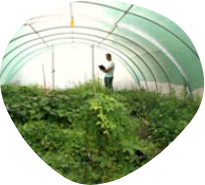 As soon as you place your order your plants are selected
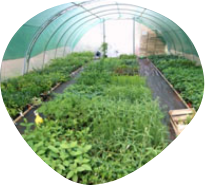 Each order is processed individually.
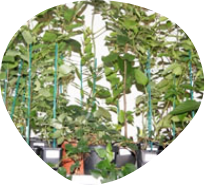 Plants are packed, staked and labeled.
 Packaging is carefully implemented to avoid any problems.
 Packages are ready to be shipped.
Our delivery methods
Shipping of our plants throughout Europe (except overseas and islands).





Customer reviews
Nobody has posted a review yet
in this language