

Tomato Green Zebra BIO
Solanum lycopersicum
Dare to color with the Green Zebra Tomato! This famous variety offers green and yellow striped fruits with emerald flesh. Its unique sweet and tangy flavor is perfect for original salads. A productive and delicious safe bet.
Description
Tomato Green Zebra - Solanum lycopersicum
Introductory Summary
The Green Zebra Tomato is undoubtedly the most famous and spectacular of modern green tomatoes. Created in the 1980s, this variety has become an icon of organic vegetable gardens and gourmet markets thanks to its unique appearance: a light green skin striped with dark green bands that turn amber-yellow when ripe. Contrary to what its color might suggest, it is not acidic or "unripe", but offers melting emerald flesh that is very juicy.
In terms of taste, it is a tomato with character that seduces chefs with its perfect balance. It offers a sweet flavor enhanced by a hint of very refreshing lemony acidity, which gives it a "zing" on the palate. Medium-sized (80 to 120 g), it is ideal for bringing color and originality to summer dishes. It is a vigorous and productive variety that absolutely deserves its place in the garden to surprise your guests.
Origins and Botanical Family
Geographical Origin
Although it looks like an heirloom variety, the Green Zebra is a "modern" creation obtained in 1983 by Tom Wagner, an American tomato breeder enthusiast. He sought to create a green tomato that does not crack and possesses superior flavor, a successful bet for this variety which has become a world classic.
Botanical Family
It belongs to the large Solanaceae family, just like eggplant, peppers, and potatoes. The species Solanum lycopersicum includes thousands of cultivars, but the Green Zebra is genetically distinguished by its ability to retain its chlorophyll even at full maturity.
Historical Particularities
This variety played a major role in the revival of colored tomatoes and diversity in amateur vegetable gardens at the end of the 20th century. It proved to the general public that a ripe tomato did not necessarily have to be red, paving the way for the popularity of black, yellow, and variegated tomatoes.
Botanical Description and Characteristics
Mature Height and Habit
It is a plant with indeterminate growth, which means it continues to grow and produce flowers as long as the climate allows. It can easily reach 1.50 m to 2 meters in height and therefore requires solid staking from planting to support its stems.
Foliage Description
The foliage is dense, regular, and bright green, typical of tomatoes. It plays an essential protective role by shading the fruits during strong summer heat, thus avoiding sunscald on the delicate skin of the tomatoes.
Fruit Description
The fruits are round, medium-sized (cocktail to medium type), organized in clusters of 5 to 7 fruits. Their skin is smooth, chartreuse green striped with forest green, which evolves towards golden shades when the fruit is ready to be eaten. The interior flesh is a magnificent "kiwi" green.
Sowing and Culture Conditions
Ideal Sowing Period
As indicated by professionals, sowing is done in warmth (20°C) from late February to April in trays or pots. It is crucial not to sow too early if you do not have artificial light and heat, as the plants could become leggy (etiolated) before transplanting.
Ideal Germination Temperature
The tomato is sensitive to cold and needs constant heat to germinate: a temperature of 20°C to 25°C is optimal. Use a heated propagator or place your seedlings near a radiator (with light) to ensure rapid and uniform emergence.
Germination Time
Emergence generally occurs between 7 and 10 days under good temperature and humidity conditions. Keep the soil moist but not soggy using a spray bottle so as not to disturb the seeds during this critical phase.
Sowing Depth and Spacing
Sow seeds about 0.5 cm deep in fine seed compost. When planting out in the garden, space the plants at least 50 to 60 cm apart to ensure good air circulation and limit fungal diseases.
Recommended Soil Type
The Green Zebra appreciates rich, loose, and deep soil, well-amended with compost or rotted manure before planting. It tolerates slightly acidic to neutral soil, but dislikes overly clayey soils that retain excess water at the roots.
Ideal Exposure
A location in full sun is indispensable to obtain sweet and tasty fruits. Choose the hottest and most sheltered spot in your vegetable garden, or grow it in a greenhouse if you live in a region with cool and rainy summers.
Transplanting Method
Transplant young plants into individual pots about 4 weeks after sowing, at the stage of 2-3 true leaves. Final outdoor planting is done from May, once all risk of frost has passed, burying the stem up to the first leaves to encourage rooting.
Water Requirements
Watering must be regular but without excess, taking care never to wet the foliage to avoid blight. Water copiously at the base one to two times a week, preferably in the morning, and mulch the soil to maintain moisture.
Maintenance and Care
Pruning and Suckering
Since it is an indeterminate growth variety, it is recommended to regularly remove the suckers (side shoots) that appear in the leaf axils. This pruning allows sap to be concentrated towards the main fruits and results in better sized and earlier tomatoes.
Staking
Install solid stakes (spirals, wooden stakes, or bamboo) at planting to guide the main stem. Tie the stem as it grows with raffia or soft ties to prevent it from breaking under the weight of the fruits.
Disease Prevention
Tomatoes are sensitive to blight: avoid stagnant moisture on the leaves and respect planting distances. Preventively, you can spray nettle or horsetail manure to strengthen the plant's natural defenses.
Harvest
Harvest Period
Harvest begins about 4 months after sowing, generally extending from mid-July until the first frosts of October. It is a mid-season variety that produces regularly throughout the summer.
Recognizing Maturity
This is the trick question with green tomatoes! The Green Zebra is ripe when the light green stripes become amber yellow and the fruit becomes slightly soft to the touch under finger pressure. If it is hard and totally green, it is not ready yet.
Average Yield
It is a fairly productive variety, each plant being able to yield between 3 and 5 kg of tomatoes under good growing conditions. Production is often grouped in regular trusses all along the stem.
Garden Usage
Placement in the Vegetable Garden
It thrives in the sunniest zones, amidst other tomato varieties to create a diversity of colors. It also adapts very well to growing in large pots (minimum 30L) on a south-facing balcony.
Beneficial Plant Associations
Association with basil and marigolds (Tagetes) is very beneficial as these plants repel certain pests like nematodes and whiteflies. It also gets along well with carrots, leeks, and lettuce.
Crop Rotation
The tomato is a hungry plant: wait 3 or 4 years before replanting it in the same spot. The following year, plant root vegetables or legumes in its place, which have lower nitrogen needs.
Culinary Uses
Flavor
Its flavor is unique: at once sweet, spicy, and tangy, with a juicy and melting texture. It is a tomato with character that leaves no one indifferent.
Ways to Cook
It is sublime raw in carpaccio, simply drizzled with good olive oil and fleur de sel. It works wonders in mixed salads to add a touch of green color, or transformed into an original and refreshing green gazpacho.
Tip or Typical Recipe
Try green tomato jam (with well-ripe Green Zebras) flavored with vanilla and lemon. It is a surprising delight that pairs perfectly with hard cheeses or on toasted bread.
Ecology, Curiosities, and Assets
Ecological Interest
Its yellow flowers are visited by bumblebees, which ensure pollination by "vibration" (buzz pollination). Growing open-pollinated varieties like this one allows you to harvest your own seeds and participate in saving cultivated biodiversity.
Anecdote or Curiosity
The name "Zebra" obviously comes from its stripes, but did you know that Tom Wagner created this tomato from 4 different heirloom varieties? He was looking for a green tomato that didn't become "mushy" once ripe, a common defect among old green tomatoes.
Why this vegetable deserves a place in the garden
The Green Zebra is indispensable for breaking the routine of red tomatoes. It is beautiful, tasty, productive, and always arouses curiosity and admiration in the garden as well as at the table. It is the touch of exoticism accessible to all gardeners.
Features
- Common name : Tomato Green Zebra
- Category : vegetable
- Time to sow seeds : Late February to April
- Harvest : 4 months after sowing
Specific References
- EAN13
- 8711117928294
Expédition & livraison
How does the delivery work?
 As soon as you place your order your plants are selected
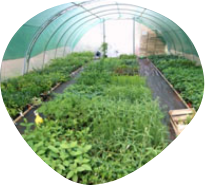 Each order is processed individually.
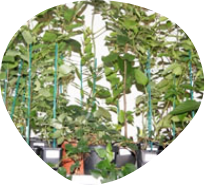 Plants are packed, staked and labeled.
 Packaging is carefully implemented to avoid any problems.
 Packages are ready to be shipped.
Our delivery methods
Shipping of our plants throughout Europe (except overseas and islands).





Customer reviews
Nobody has posted a review yet
in this language