

- Out-of-Stock


Curly Kale Westland Herfst BIO
Brassica oleracea convar. acephala var. sabellica
Curly Kale Westland Herfst is the king of winter! Its dark green curly leaves are packed with vitamins. Wait for the first frosts to harvest: the cold makes it sweet and delicious. Essential for healthy harvests until January.
Description
Curly Kale Westland Herfst - Brassica oleracea convar. acephala var. sabellica
Introductory Summary
Curly Kale Westland Herfst is an old and robust variety, particularly adapted to difficult winter conditions. This non-heading kale is distinguished by its large, deeply dark green curly leaves, which grow along a central stem capable of reaching a good height. Unlike classic cabbages, it does not form a compact head but a rosette of elegant leaves, sometimes earning it the name "palm cabbage" or simply curly kale.
Considered today as a "superfood" for its exceptional nutritional density, it is rich in vitamins, iron, and calcium. It is the quintessential winter vegetable: its flavor improves considerably after undergoing the first frosts, becoming milder and sweeter. Easy to grow and very productive, Westland Herfst is indispensable for the gardener who wishes to harvest fresh vegetables from September until the heart of winter, when the vegetable patch is often empty.
Origins and Botanical Family
Geographical Origin
This variety takes its name from the Westland region, a historic horticultural area located in the west of the Netherlands. It was selected by Dutch market gardeners for its cold resistance and its ability to produce abundantly during the damp autumns and harsh winters of Northern Europe.
Botanical Family
It belongs to the large Brassicaceae family (formerly Crucifers), just like cauliflower, broccoli, and mustard. It is part of the species Brassica oleracea, and more precisely the acephala group (headless) and the variety sabellica, which groups curly kales.
Historical Particularities
Curly kale is one of the oldest forms of cultivated cabbage, very close to the wild ancestor. Long considered a peasant staple ("poor man's meat") in northern Europe, it has recently been rediscovered for its health benefits and its central place in healthy cuisine.
Botanical Description and Characteristics
Mature Height and Habit
The plant presents an upright and majestic habit, generally reaching 50 to 70 cm in height. It does not spread on the ground but rises on a robust central stem, giving it the appearance of a small, very decorative palm tree in the vegetable garden.
Foliage Description
The leaves are large, cut, and extremely curled or embossed, with a bluish-green to dark green color. This curly texture is not only aesthetic; it allows the plant to better resist frost by creating insulating air pockets on the leaf surface.
Other Morphological Particularities
The root system is powerful and taproot-like, which gives the plant good stability against autumn winds. Unlike heading cabbages, each leaf is exposed to light, which favors significant synthesis of chlorophyll and nutrients.
Sowing and Culture Conditions
Ideal Sowing Period
According to specific recommendations for this variety, sowing is done directly outdoors from late April until late June. Sowing too early can lead to premature bolting, while late spring sowing ensures an optimal harvest in autumn-winter.
Ideal Germination Temperature
Kale seeds germinate from 10°C, but a soil temperature between 15°C and 20°C is ideal for rapid emergence. Below these temperatures, germination will be slower and seedlings more vulnerable to pests.
Germination Time
Emergence is generally rapid, occurring between 6 and 12 days after sowing if moisture is maintained. It is a vigorous plant that establishes quickly, provided young shoots are protected from slugs.
Sowing Depth and Spacing
Sow in rows, about 1 to 2 cm deep, covering with fine soil. Space rows 50 cm apart and, after thinning, leave about 50 to 60 cm between each plant so they can develop their ample foliage without hindrance.
Recommended Soil Type
Westland Kale appreciates deep, humus-rich, cool, and rather clayey or calcareous soil. It likes firm ground: avoid digging the soil just before planting; prefer naturally compacted soil which will better support its roots.
Ideal Exposure
A sunny exposure is preferable for autumn and winter to capture maximum light. However, for late spring sowing, the plant tolerates partial shade well, which avoids soil drying.
Thinning Method
When plants have 3 or 4 true leaves, it is essential to thin to keep only the most vigorous subjects. You can transplant the removed plants to another spot in the garden, taking care to water well to ensure they take root.
Water Requirements
Watering must be regular during summer to maintain growth and prevent leaves from becoming tough. Mulching at the base is strongly recommended to conserve soil coolness and limit watering chores.
Maintenance and Care
Hilling and Cleaning
When plants reach about twenty centimeters, hill them up (bring soil to the base) to strengthen their anchorage in the ground against wind. Regularly remove yellow or damaged leaves at the base of the stem to promote good air circulation.
Disease Prevention
Kale fears the cabbage white (white butterfly) whose caterpillars devour leaves, and flea beetles in summer. Installing an insect-proof net immediately after sowing is the most effective and ecological method to protect your crops without treatment.
Harvest
Harvest Period
The harvest is staggered and extends from September to January, or even later depending on the severity of the winter. It is one of the few vegetables that remains in place and productive under snow.
Recognizing Maturity
You can start harvesting leaf by leaf as soon as the plant is well developed, always starting with the bottom leaves. The kale continues to grow from the top, ensuring a continuous renewal of foliage.
Average Yield
The yield is excellent, each plant being able to provide numerous leaves over several months. For a family of 4 people, 4 to 6 plants are usually sufficient for regular consumption throughout the winter.
Influence of Frost
It is strongly advised to wait for the first frosts before making large harvests. The cold provokes a chemical reaction in the plant that converts starch into natural sugars, making the kale much milder, tender, and tasty.
Garden Usage
Placement in the Vegetable Garden
Install it in an area of the vegetable garden that will remain occupied in winter, away from areas you wish to work in autumn. Its tall stature makes it a good windbreak for lower and more fragile crops.
Beneficial Plant Associations
Curly kale gets along very well with aromatic plants (thyme, rosemary, sage) whose scents disrupt pest butterflies. It also appreciates the company of beets, celery, and lettuce.
Crop Rotation
Cabbage is a hungry plant that depletes the soil. It is imperative to wait at least 4 or 5 years before replanting cabbages or brassicas in the same spot to avoid clubroot.
Culinary Uses
Flavor
Before frosts, the taste is herbaceous, strong, and slightly bitter. After frost, it becomes deliciously sweet, with a crunchy texture that holds up very well to cooking.
Ways to Cook
It is extremely versatile: eaten raw in salads (after massaging the leaves to tenderize them), in green smoothies, or steamed. It is the flagship ingredient of the Dutch national dish, "stamppot", mashed potatoes with curly kale and smoked sausage.
Tip or Typical Recipe
Try "Kale Chips" for an appetizer: remove the central rib, tear the leaves, massage them with a little olive oil and salt, then bake for 10 minutes at 150°C. It is a healthy and crunchy alternative to potato chips.
Ecology, Curiosities, and Assets
Ecological Interest
Leaving the ground covered in winter, it protects the soil from erosion and nutrient leaching by rains. If it flowers the following spring (second year), its yellow flowers attract the first pollinators of the season.
Permaculture
In permaculture, it is a structural plant of the winter garden. It provides a large amount of food biomass on a small surface and its damaged leaves left on the ground nourish soil life.
Why this vegetable deserves a place in the garden
Curly Kale Westland Herfst is the champion of resilience: it produces when everything else freezes or rots. It is a true natural "pharmacy" within reach, offering vitality and vitamins in the heart of winter, all with disconcerting ease of cultivation.
Features
- Common name : Curly Kale Westland Herfst BIO
- Category : vegetable
- Time to sow seeds : January to April under glass and from late April to late June in open ground
- Harvest : September to January
Specific References
- EAN13
- 8711117922490
Expédition & livraison
How does the delivery work?
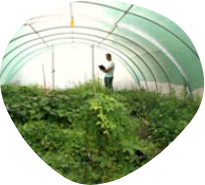 As soon as you place your order your plants are selected
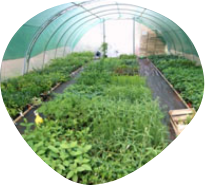 Each order is processed individually.
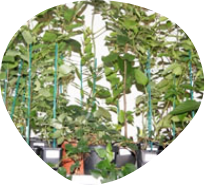 Plants are packed, staked and labeled.
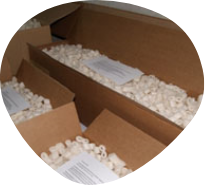 Packaging is carefully implemented to avoid any problems.
 Packages are ready to be shipped.
Our delivery methods
Shipping of our plants throughout Europe (except overseas and islands).





Customer reviews
Nobody has posted a review yet
in this language