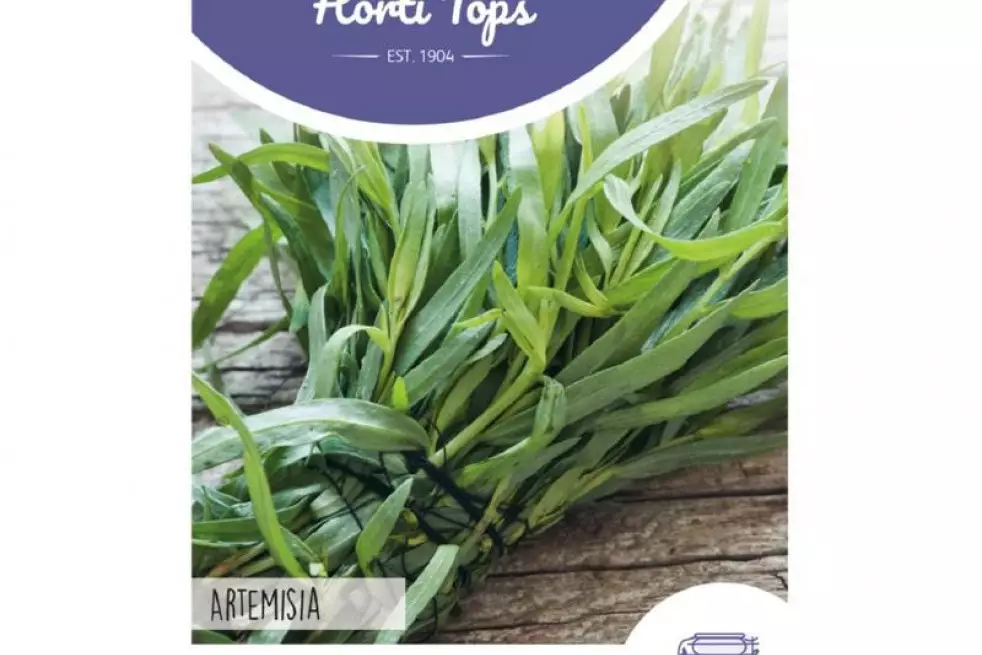









The hardy giant of the vegetable garden! Russian Tarragon defies frost and drought. Easy, vigorous and generous, it offers a fresh fragrance for all your sauces and marinades. The essential and fail-proof aromatic herb!
Description
While French tarragon is renowned for its delicacy, Russian Tarragon is the undisputed champion of hardiness and generosity. This perennial variety is a force of nature, capable of adapting to the harshest climates where its French cousin often gives up. Less anise-like but more herbal, it offers a fresh, slightly bitter, and tonic flavour reminiscent of wild steppe herbs. In the vegetable garden, it is a magnificent structural plant that forms an imposing and robust bush. It is the ideal ally for gardeners who want a "zero-trouble" plant: it fears neither intense frost nor temporary drought. In the kitchen, its leaves flavour vinegars, marinades, or sauces. Growing Russian tarragon means ensuring an inexhaustible reserve of aromatic greenery.
This plant is native to Siberia and Central Asia. This origin explains its phenomenal ability to withstand temperatures as low as -25°C.
It belongs to the Asteraceae family (formerly Compositae), just like sunflowers, but especially the wormwood genus (Artemisia).
Its Latin name dracunculus means "little dragon." It was once believed that its root, whose shape resembles a snake, could cure bites from venomous beasts. Unlike French tarragon, which is sterile, Russian tarragon produces fertile seeds.
Russian tarragon is imposing: it easily reaches 1 metre to 1.20 metres in height at the end of the season.
It adopts a bushy and upright habit. Its stems become woody at the base over time, forming a dense clump that widens each year.
The leaves are narrow, lanceolate, and a matte pale green. They are a bit rougher to the touch than those of the French variety.
In summer, it produces tiny yellowish or greenish flowers arranged in hanging clusters, very discreet.
Sowing takes place from March to May. The ideal germination temperature is between 15°C and 20°C.
Sow seeds on the surface (needs light). Maintain a spacing of 50 to 60 cm between each plant.
Emergence generally occurs between 10 and 20 days after sowing.
It prefers well-drained soil, even poor or stony. It tolerates chalky soils very well.
It appreciates full sun but perfectly tolerates partial shade.
Thin out to respect planting distances as soon as the plants reach 10 cm in height.
Watering should be regular at the beginning. Once established, it becomes very drought-resistant.
In late autumn, cut the plant back (cut the stems) to 10 cm from the ground. It will sprout vigorously in the spring.
It is a healthy plant. Its aromatic scent naturally repels many insects. It only fears excess stagnant humidity.
Harvesting takes place from spring until the first frosts.
Take the tops of the stems to promote branching.
It keeps very well by drying or by maceration in vinegar.
Place it at the back of an aromatic bed. Its size can serve as a windbreak for fragile crops.
It thrives next to tomatoes and peppers. Avoid the immediate proximity of invasive mint.
It has an herbal flavour, less aniseed than the French, but more resistant to cooking.
Ideal for sauces, marinades, and homemade vinegars.
It is a honey plant that attracts hoverflies, precious allies against aphids.
Its robustness makes it a perfect plant for zones 2 or 3 in permaculture (less maintained zones).
Russian Tarragon is the plant of choice for the pragmatic gardener. Robust, productive and indestructible, it offers a constant source of aromatics without any effort.
Shipping & delivery
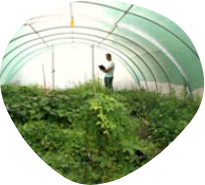 As soon as you place your order your plants are selected
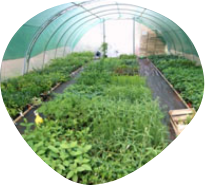 Each order is processed individually.
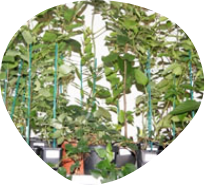 Plants are packed, staked and labeled.
 Packaging is carefully implemented to avoid any problems.
 Packages are ready to be shipped.
Expédition de nos plantes dans toute l'Europe (sauf en outre mer et les îles).
Avis clients






The hardy giant of the vegetable garden! Russian Tarragon defies frost and drought. Easy, vigorous and generous, it offers a fresh fragrance for all your sauces and marinades. The essential and fail-proof aromatic herb!