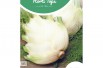








Fennel Fino! An early variety with a crisp white bulb and irresistible anise aroma. Highly resistant to bolting and perfect for fresh salads or roasted dishes. Bring the taste of Italy to your garden today!
Description
Fennel Fino is an exceptional bulb fennel variety, highly appreciated by demanding gardeners for its remarkable earliness and strong resistance to bolting. Unlike wild fennel, the ‘Fino’ type develops a fleshy base, known as the “bulb”, bright white and perfectly dense. Its main appeal lies in its flavour balance: a delicately aniseed taste, sweet yet never overpowering, combined with a crunchy texture that remains tender even after cooking.
Botanically, it is an elegant plant that brings lightness to the vegetable garden thanks to its airy, dill‑like foliage. It is a real success for gardeners with limited space, as its compact form still offers generous yields. Rich in fibre, vitamin C and antioxidants, it is a pillar of healthy Mediterranean cuisine. Whether eaten raw for its refreshing crispness or braised for its melting sweetness, Fennel Fino is a promise of culinary pleasure and reliable cultivation.
Fennel originates from the Mediterranean basin, where it first grew wild on slopes and coastal areas. The specific selection of the bulb variety ‘Fino’ is the result of meticulous horticultural work carried out mainly in Italy, where fennel has been a culinary tradition for centuries.
It belongs to the prestigious Apiaceae family (formerly Umbelliferae). This family includes plants with umbel‑shaped flowers, such as carrot, parsley, celery and dill, with which fennel shares many visual and aromatic similarities.
Historically, fennel was revered by Egyptians and Greeks for its medicinal virtues. In Greek mythology, knowledge was said to have been brought to humans in a fennel stalk. In the Middle Ages, it was used to ward off evil spirits. Today, it is inseparable from Provençal and Italian gastronomy, symbolising sunny cuisine.
The plant has moderate, structured growth, generally reaching 50 to 60 cm at bulb harvest. If allowed to flower, it can exceed one metre.
Fennel Fino has an upright, compact and proud habit. Its tightly interlocking leaf sheaths at the base of the stems swell to form the fleshy, slightly flattened bulb characteristic of the variety.
Its foliage is wonderfully delicate: extremely divided, thread‑like and feathery. Bright green and aromatic at the slightest touch. The foliage is not only functional for photosynthesis but also edible and used as an aromatic herb.
Sowing can begin in March (under cover) and continue outdoors until July. Seeds require gentle warmth: the ideal germination temperature is 15°C to 20°C. A soil that is too cold may cause seeds to rot before sprouting.
Seeds should be sown at about 1 cm deep. Space seeds 15 cm apart, then thin to 20–25 cm between plants. Rows should be spaced about 40 cm apart for easy access.
Fennel Fino is relatively patient: seedlings usually appear after 10 to 15 days, depending on soil warmth and moisture.
This vegetable is demanding: it requires a fresh, deep, light and very humus‑rich soil. Drainage is crucial, as stagnant water causes bulb rot. A neutral pH is ideal.
To develop a well‑formed bulb and accumulate sugars, Fennel Fino needs full sun. Too much shade limits bulb formation in favour of foliage.
When seedlings have 3–4 leaves, thin rigorously. Keep only the strongest plant every 20–25 cm. This prevents overcrowding and ensures well‑formed bulbs.
Water needs are high and very regular. The soil must never dry out completely. Even short water stress triggers premature bolting, making the bulb hard and fibrous.
About 15 days before harvest, it is strongly recommended to earth up the plants. This consists of drawing soil around the bulb to exclude light, encouraging whitening and producing a sweeter, more tender, less fibrous bulb.
Fennel is generally robust, but slugs and snails love young shoots. Use natural barriers. To prevent fennel fly or aphids, favour companion planting with strongly scented plants. Avoid late watering on foliage to reduce fungal diseases.
Depending on sowing date, harvest occurs after 90 to 100 days. For summer sowings, harvest before the first heavy frosts, although fennel tolerates light cold.
The bulb is ready when well‑formed, firm to the touch and about the size of a large apple. Do not wait too long: oversized bulbs become tough.
Once cut, fennel keeps for about a week in the refrigerator. For longer storage, it can be sliced, blanched briefly and frozen. In a cellar, it can be stored in moist sand for several weeks.
Fennel Fino should be planted in the richest, sunniest part of the vegetable garden. It pairs wonderfully with leeks and lettuces. Avoid planting near tomatoes or beans, as fennel can inhibit their growth.
It is a soil‑exhausting plant. Wait 3 to 4 years before growing another Apiaceae (carrot, celery, fennel) in the same area to break disease and pest cycles.
Its flavour is unique: a subtle blend of sweetness and aniseed notes. It instantly brings freshness to any dish.
Try it finely sliced with orange segments, black olives and olive oil: a classic Sicilian salad. Cooked, it pairs beautifully with oily fish or can be slowly braised with honey and balsamic vinegar for a melting side dish.
Fennel Fino is a true insect hotel: its yellow umbels attract many pollinators as well as beneficial insects such as ladybirds and hoverflies that control aphids. It is a valuable ally for garden biodiversity. In antiquity, fennel was believed to give strength and courage to gladiators. Today, it is prized in permaculture for its ability to attract life while offering a quality harvest.
Fennel Fino fully deserves its place in your garden thanks to its generous productivity and incomparable flavour. Its resistance to bolting makes it reliable even for beginners. A doubly rewarding vegetable: beautiful in the garden with its feathery foliage, and delicious on the plate. A must‑have for gourmet gardeners.
Shipping & delivery
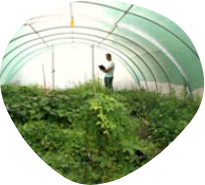 As soon as you place your order your plants are selected
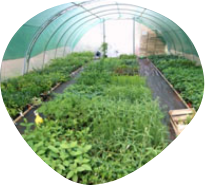 Each order is processed individually.
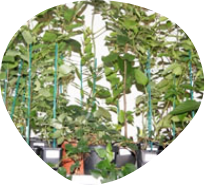 Plants are packed, staked and labeled.
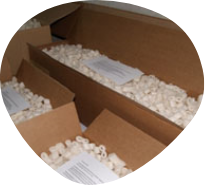 Packaging is carefully implemented to avoid any problems.
 Packages are ready to be shipped.
Expédition de nos plantes dans toute l'Europe (sauf en outre mer et les îles).
Avis clients




Fennel Fino! An early variety with a crisp white bulb and irresistible anise aroma. Highly resistant to bolting and perfect for fresh salads or roasted dishes. Bring the taste of Italy to your garden today!