


- novelty


Japanese pagoda tree
Sophora japonica
Sophora japonica, the Japanese pagoda tree with finely compound foliage and nectar‑rich cream panicles; robust, drought‑tolerant and ideal as a specimen, avenue tree or in large containers.
Description
Height at maturity
6 to 15 m
Wingspan at maturity
6 to 12 m
Exposure
sun
Flowering
August to September
Hardiness
-24°C
Origin
Asia
Japanese pagoda tree — Sophora japonica
Main interest
Sophora japonica is a notable ornamental tree prized for its finely compound foliage, broad crown and ability to provide light, filtered shade that structures gardens and urban spaces without weighing them down. It combines strong tolerance to urban conditions — heat, moderate drought and pollution — with low maintenance once established, making it a durable choice for avenues, parks and large gardens. Its cream flower panicles add late‑summer interest and, when present, supply an important nectar source for bees and other pollinators, thereby enhancing local biodiversity. Its longevity and robustness also make it a valuable structural element in landscape design, suitable as a solitary specimen or in rows.
Origins and characteristics
Geographic origin
Native to East Asia (China, Korea, Japan), Sophora japonica has been widely introduced and naturalized across many temperate regions, adapting to a range of climatic conditions.
Botanical family
Belongs to the Fabaceae family (legumes), a botanical group known for pod formation and ecological interactions with soil.
Notable particularities
Japanese pagoda tree has long been valued as an ornamental tree for its nectar‑rich flowers and airy foliage; historically, it has also been used locally for artisanal and sometimes medicinal purposes. Its capacity to tolerate poor soils and urban environments explains its frequent use in public plantings.
Description and particulars
Mature height
In open ground, Japanese pagoda tree typically reaches 6 to 15 m in height, with older, well‑established specimens sometimes growing taller; final height depends strongly on soil, climate and care.
Mature width
The crown usually develops to a width comparable to its height, forming a rounded to spreading silhouette that can reach 6 to 12 m in diameter on mature trees.
Habit
The tree has a rounded to spreading habit with fine branching and airy foliage that creates soft, filtered shade; in solitary planting it acquires a majestic, structuring presence.
Bark
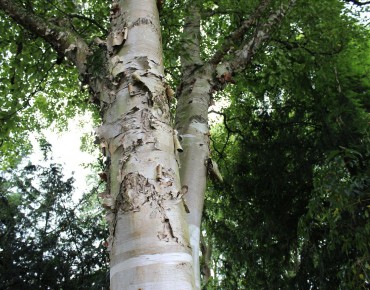
Young twigs are green to grey‑green, aging to grey‑brown and slightly fissured; the bark is unobtrusive and not a primary decorative feature.
Foliage
The foliage is deciduous and imparipinnate, composed of numerous oval leaflets of medium to dark green; it provides a light, translucent texture and may turn a pale yellow before leaf drop in autumn.
Growth rate
Growth is generally moderate to fast when young, especially on deep, fertile soils, and stabilizes with age; vigour depends on exposure and water availability.
Hardiness
Sophora exhibits good hardiness (-12 °C for young plants and -24 °C for adults); it tolerates low winter temperatures but remains sensitive to excessive winter humidity and poorly drained soils.
Flowering and fruiting
Flowering period
Flowering occurs in summer, often from mid to late summer, depending on local climate and tree age; flowering tends to be more abundant on mature specimens.
Flower description
Flowers are borne in dense panicles, cream to greenish‑white in colour; they are small but numerous, lightly scented and rich in nectar, making them attractive to bees and other pollinators. Their airy appearance contrasts with the foliage and brings a bright note to the summer landscape.
Fruits
Fruits are pods, typical of legumes, containing several seeds; in ornamental specimens fruiting is of secondary importance and pods are not intended for human consumption. Dispersal occurs naturally by drop and sometimes via animals.
Melliferous characteristics and wildlife value
The flower panicles are nectar‑rich and provide an important resource for pollinators; the tree thus contributes to local biodiversity by offering nectar and shelter to various insects.
Ideal exposure
Prefers full sun to light partial shade; full sun encourages best form and flowering.
Planting
Soil preparation
Loosen the planting area broadly, incorporate a small amount of well‑rotted compost if the soil is very poor, and ensure good drainage to avoid waterlogging. Avoid excessive nitrogen inputs that promote overly lush, vulnerable growth.
Spacing
Allow 6 to 12 m between specimens, depending on expected mature size and available space, so the crown can develop freely and air circulation is maintained.
Soil nature
Tolerates neutral to slightly acidic soils, dry to moist and even stony substrates; avoid heavy, waterlogged soils that encourage root diseases.
How to plant
Dig a hole twice the width of the rootball, position the plant at the same depth as in the pot, backfill and firm lightly, water thoroughly to ensure root‑soil contact and apply mulch to conserve moisture and moderate temperature fluctuations.
Watering
Water needs at planting
Maintain regular watering during establishment to support root uptake: keep the soil moist but not waterlogged during the first weeks. Mulch helps retain moisture and protect roots.
Water needs at maturity
Once established, Sophora tolerates periods of moderate drought and requires occasional watering during prolonged dry spells; it prefers well‑drained soil rather than constant moisture.
Pruning
When and how to prune
Pruning is generally limited to formation and removal of dead wood: perform light pruning after flowering to ventilate the crown, remove poorly placed or crossing branches and maintain a balanced structure. Avoid heavy cuts that can lead to slow recovery; favor clean, progressive cuts and respect the tree’s natural physiology.
Propagation
Propagation methods
Seed propagation reproduces the species but requires time to reach maturity; vegetative methods (cuttings, grafting) are used in nurseries to obtain desired forms and characteristics. The chosen method depends on the objective: faithful reproduction or speed of production.
Garden uses
Ideal placement
Excellent as a solitary specimen to showcase its rounded silhouette, suitable for avenue planting to structure spaces, or in large gardens where the crown can fully develop; some specimens also perform well in large containers on spacious terraces.
Recommended plant pairings
Combine with Mediterranean perennials and low, drought‑tolerant shrubs such as lavender, salvia or gaura to contrast the fine foliage and enhance pollinator attraction. Groundcovers and ornamental grasses complete the planting palette harmoniously.
Traditional uses
Primarily valued as an ornamental tree; locally parts of the tree were sometimes used for artisanal purposes or in folk medicine, but its main contemporary role remains landscape and ecological.
Pests and diseases
Vulnerabilities
Generally robust, but may develop foliar issues under prolonged wet conditions and can be occasionally affected by aphids, scale insects or other minor pests. Root rot and fungal infections may occur on poorly drained sites.
Prevention and natural treatments
Ensure adequate spacing and air circulation, limit high nitrogen fertilization, use water sprays to dislodge aphids and apply biological treatments such as black soap or horticultural oils for persistent infestations. Mulch and moderate compost applications strengthen root health.
Tips for good development
Plant in full sun on a well‑drained site, water regularly during the first year, prune lightly for shape and protect young plants from cold winds. On very poor soils, a light organic amendment promotes balanced growth.
Features
- Common name : Japanese pagoda tree
- Family : Fabaceae
- Category : tree
- Spread : 6 to 12 m
- Foliage : deciduous
- Color of flowers : creamy-white
- Use : isolated - shrubberry - alignment
- Soil : Well-drained, not waterlogged, tolerates poor, calcareous, or stony soils
- Habit : Spreading
- Enemies : aphid - cochineal
- Possible diseases : Root rot
- Date of last repotting : 15/01/26
Expédition & livraison
How does the delivery work?
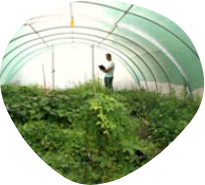 As soon as you place your order your plants are selected
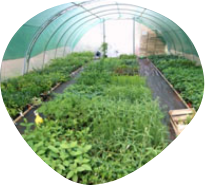 Each order is processed individually.
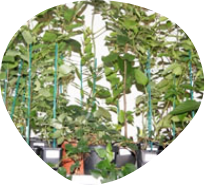 Plants are packed, staked and labeled.
 Packaging is carefully implemented to avoid any problems.
 Packages are ready to be shipped.
Our delivery methods
Shipping of our plants throughout Europe (except overseas and islands).





Customer reviews
Nobody has posted a review yet
in this language
16 other products in the same category:

- Pick up on site

- novelty
- New

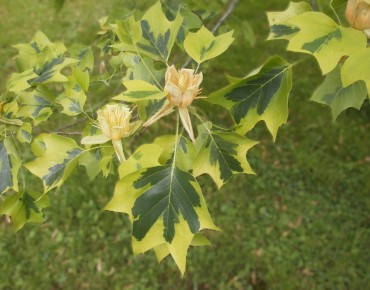
Yellow Variegated Tulip Tree (in 10 liter pot)
Liriodendron tulipifera Aureomarginatum
Plant height
180/200 cm in 10 liter pot
- novelty
- Pick up on site


American Sweetgum Slender Silhouette
Liquidambar styraciflua Slender Silhouette
Plant height
100/110 cm in 2 liter pot (Grafted plant)
- novelty
