- New



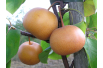
Nashi pear ‘Chojuro’ : an Asian variety resistant to disease and drought, self-fertile, with crisp and juicy bronze fruit, flowering from mid-April to May, and harvesting in September. Ideal for orchards or home gardens.
Description
The Nashi Pear Chojuro is a premium fruit tree that perfectly combines outstanding agricultural yield with high ornamental value. This low-stem fruit tree is highly adapted for small urban gardens and container growth, thanks to its rapid fruit production. Its primary appeal lies in the exceptional quality of its fruit, often described as an apple-pear, featuring a unique, russeted bronze skin. In spring, the tree creates a stunning display with dense clusters of pure white blossoms, followed by lush green summer foliage that turns vibrant copper-red in autumn. Showing excellent natural resistance to common orchard diseases, the Chojuro is a reliable and hardy choice for sustainable gardening.
This historic cultivar originated in Japan, where it was discovered as a chance seedling in 1893 in the Kanagawa prefecture. It has since become a global standard among Asian pears due to its legendary reliability and robustness.
It belongs to the Rosaceae family, sharing a lineage with traditional European pears, apples, and ornamental roses. This family is celebrated for its showy, symmetrical flowers and high agricultural importance.
The name 'Chojuro' is deeply rooted in Japanese heritage, representing longevity and consistent performance. Botanically, its distinctive thick russeted skin provides excellent protection against bruising and environmental stress. Historically, its large, glossy leaves were favored in Asian tea gardens for their dense screening properties.
At maturity, this low-stem tree typically reaches a height of 4 to 5 meters, making it very easy to manage and harvest.
The canopy spreads to about 5 meters in diameter, creating a beautifully balanced and rounded shade profile.
The habit is rounded and spreading, with strong structural branches that easily support heavy crop loads without breaking.
The young twigs feature a distinctive purplish-brown bark marked with clear grey lenticels, while the mature trunk develops a rugged, grey-brown furrowed texture.
The deciduous foliage consists of large, ovate, finely serrated leaves of a glossy deep green color. In autumn, the canopy transforms into a dramatic display of fiery orange and copper-red hues.
The growth rate is moderate, allowing the tree to build a strong framework before entering heavy annual fruit production.
This cultivar shows excellent cold hardiness, tolerating temperatures down to -20°C (-4°F) without any winter damage.
The main blooming period occurs from mid-April to May, effectively escaping most late spring frosts.
The flowers are pure white, borne in dense corymbs along the previous year's wood, featuring prominent purple anthers that create a delicate contrast.
The fruit is a large, round Asian pear with a distinctive russet-bronze skin covered in golden specks. The white flesh is incredibly crisp and juicy, offering a sweet flavor with rich notes of caramel and brown sugar. Harvesting takes place in September; while partially auto-fertile, yields are vastly improved when cross-pollinated with Kosui, Hosui, Shinseiki, or Nijisseiki.
The spring blossoms produce high-quality nectar, making the tree a favorite stop for bees and bumblebees. The dense branches also offer safe nesting sites for songbirds.
It requires a position in full sun to ensure maximum sugar development within the ripening fruit.
Dig a wide planting hole to loosen the soil deeply and incorporate well-rotted compost to support root establishment.
Maintain a minimum distance of 4 to 5 meters between trees to allow optimal light penetration throughout the canopy.
Chojuro thrives in neutral to slightly acidic, fertile, and well-drained soils. It exhibits remarkable drought resistance once fully established, but cannot tolerate waterlogged clay conditions.
Place the root ball in the hole, ensuring the graft union remains well above the soil level. Fill with soil, firm gently to remove air pockets, and water deeply to settle the roots.
Provide copious and regular watering during the first growing season, ideally once a week, to assist deep root development.
Mature trees are quite self-sufficient, but supplemental watering during dry July and August spells is highly recommended to maintain fruit size and juiciness.
Prune during the late winter (February or March) when the tree is dormant and there is no risk of frost. Remove dead wood and crossing branches to keep the center open for air and light. For this low-stem cultivar, cutting back lateral shoots to three or four buds will stimulate the development of productive fruiting spurs.
To maintain the true characteristics of the 'Chojuro' cultivar, it is propagated exclusively by grafting onto robust rootstocks like Cydonia oblonga Kwee MA.
Its compact low-stem nature makes it perfect for small suburban gardens, fruit hedges, or as a standalone specimen on a lawn.
It pairs beautifully with soft fruit bushes like currants or gooseberries, which share similar soil requirements. For a harmonious ground cover, plant it alongside perennials like cranesbill or peppermint.
In Asian culture, nashi juice is a well-known traditional remedy used to soothe sore throats and relieve dehydration during summer.
The 'Chojuro' cultivar is highly praised for its disease resistance, particularly against pear scab, which often damages European varieties. It may occasionally attract aphids or codling moths during the summer months.
Applying an organic spray like neem oil in early spring helps prevent pest infestations naturally.
Apply a fresh layer of organic mulch around the base of the tree every spring to maintain soil fertility and structure. Ensure a matching pollinator is planted nearby for a stable annual harvest.
The 'Chojuro' cultivar stands out due to its unique russet-bronze skin and superior drought tolerance compared to green-skinned varieties. The thick skin also gives the fruit excellent storage capabilities after harvest.
In summary, the Nashi Pear Chojuro is an excellent asset for smaller gardens, thanks to its high productivity and easy maintenance. Its spectacular white spring bloom and fiery autumn foliage offer year-round aesthetic pleasure while supporting local wildlife. This disease-resistant variety is the ideal choice for a sustainable and rewarding home orchard.
Shipping & delivery
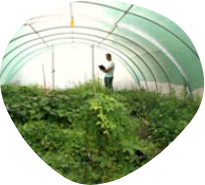 As soon as you place your order your plants are selected
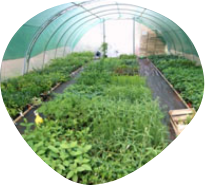 Each order is processed individually.
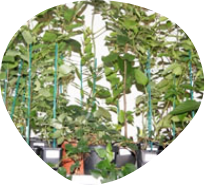 Plants are packed, staked and labeled.
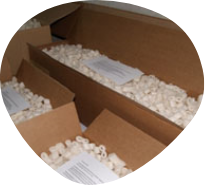 Packaging is carefully implemented to avoid any problems.
 Packages are ready to be shipped.
Expédition de nos plantes dans toute l'Europe (sauf en outre mer et les îles).
Avis clients


Nashi pear ‘Chojuro’ : an Asian variety resistant to disease and drought, self-fertile, with crisp and juicy bronze fruit, flowering from mid-April to May, and harvesting in September. Ideal for orchards or home gardens.
Your cart is empty
Continue shopping