- New



The Red Boskoop Apple Tree is a traditional fruit variety producing large red apples with firm, aromatic, slightly tart flesh. Hardy, productive, and long-lived, it is ideal for orchards and family gardens.
Description
The Red Boskoop Apple Tree is a highly valued fruit tree renowned for its exceptional fruit quality, remarkable hardiness, and excellent storage potential. This selected form of the famous Boskoop apple is distinguished by its attractive deep red skin coloration, while retaining all the culinary and flavor qualities that have made the Boskoop one of Europe's most respected heritage apple varieties. The large fruits develop an even richer aroma after harvest, making them particularly sought after by gardeners and fruit enthusiasts.
This cultivar has been cultivated for generations in family orchards and traditional fruit-growing regions. Its vigorous growth and reliable productivity allow it to produce generous harvests year after year. The tree develops a strong framework capable of supporting heavy crops while maintaining excellent longevity.
The fruits offer a unique balance between sweetness and refreshing acidity. Their firm flesh makes them ideal for fresh consumption, baking, juicing, and preserving. During cooking, the apples retain their texture while releasing a rich and complex flavour. Combined with its excellent cold tolerance and adaptability to various soil conditions, the Red Boskoop is an outstanding choice for gardeners seeking a dependable and productive fruit tree capable of providing high-quality apples for many years.
The Red Boskoop originated as a red-skinned mutation of the famous Boskoop apple, which was first discovered in the Netherlands during the nineteenth century. This selected form retains the outstanding flavour and culinary qualities of the original variety while producing fruits with a much more pronounced red coloration. Its popularity quickly spread throughout European fruit-growing regions thanks to its excellent fruit quality and reliable cropping.
Like all cultivated apple trees, it belongs to the Rosaceae family, which also includes pears, cherries, quinces, plums, and many ornamental species. This family contains some of the world's most important fruit-producing plants.
The Red Boskoop is widely regarded as one of the finest culinary apples available. The fruits often improve in flavor after several weeks of storage, developing a richer and more complex taste. Its exceptional hardiness allows successful cultivation even in regions experiencing severe winter temperatures.
When grown as a low-stem grafted tree, the Red Boskoop generally reaches a mature height of 3 to 5 metres. This moderate size allows convenient harvesting and maintenance while still producing substantial crops.
The crown typically spreads to approximately 3 to 4 metres in width. Regular pruning helps maintain an open structure and ensures good air circulation throughout the canopy.
The tree develops a broad, spreading to semi-upright habit supported by strong scaffold branches. As it matures, it forms a balanced and attractive silhouette well suited to traditional orchards and larger gardens.
The bark is grey-brown and gradually develops shallow fissures with age. Young shoots usually display attractive olive-brown tones during the growing season.
The foliage is deciduous and medium to dark green in colour. The oval leaves possess a slightly downy underside and may develop attractive yellow shades before falling in autumn.
Growth is moderate to vigorous during the establishment phase. The tree settles quickly and often begins fruit production relatively early compared with some traditional apple varieties.
The Red Boskoop is extremely hardy and can tolerate winter temperatures between approximately -25°C and -30°C once fully established.
Flowering generally occurs during April and May, depending on local climate conditions and seasonal weather patterns.
The flower buds emerge in attractive shades of deep pink before opening into large white-pink blossoms. These flowers are produced abundantly along the fruiting spurs and create a spectacular spring display. Their nectar and pollen attract numerous beneficial pollinating insects.
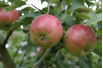
The fruits are large to very large and slightly flattened in shape. Their skin has a characteristic rough texture and develops an attractive deep red coloration over much of the surface. The flesh is firm, juicy, aromatic, and pleasantly tart with a rich flavour profile. Harvest typically takes place between September and October.
The Red Boskoop is not self-fertile and requires compatible pollinating varieties such as Malus domestica 'Cox Orange Pippin', Malus domestica 'James Grieve', Malus domestica 'Reine des Reinettes', or Malus domestica 'Elstar'.
The abundant blossom provides an excellent source of nectar and pollen for bees, bumblebees, and other pollinating insects. Fallen fruits may also provide food for birds and small mammals during autumn.
A full sun position is recommended to maximize flowering, fruit production, fruit coloration, and flavor development. Good air circulation around the tree also helps reduce the risk of fungal diseases.
The planting area should be deeply loosened before planting. Incorporating well-rotted compost improves soil fertility, drainage, and long-term root development.
Allow approximately 4 to 5 metres between trees to provide sufficient space for crown development and sunlight penetration.
The Red Boskoop thrives in deep, fertile, moisture-retentive yet well-drained soils. It performs best in slightly acidic to neutral conditions but can adapt to heavier loam soils provided drainage remains adequate.
Dig a generous planting hole and install a sturdy support stake. Ensure that the graft union remains above soil level after planting. Water thoroughly to settle the soil around the root system and encourage successful establishment.
Regular watering is important during the first two growing seasons to support root development and establishment.
Once established, the tree becomes relatively drought tolerant. However, supplemental watering during prolonged dry periods improves fruit size, quality, and overall productivity.
Pruning is best carried out during winter dormancy when severe frost is absent. Remove dead, damaged, crossing, or overcrowded branches to maintain an open crown structure. Young trees benefit from formative pruning, while mature specimens require maintenance pruning to encourage healthy fruit production and balanced growth.
The cultivar is propagated by grafting to preserve its specific characteristics. Seed propagation does not produce trees identical to the parent cultivar.
The Red Boskoop is perfectly suited to traditional orchards, edible gardens, and larger landscape plantings. Its manageable size on low-stem rootstocks makes harvesting and maintenance particularly convenient.
Excellent companion plants include pear trees, quince trees, currant bushes, comfrey, lavender, borage, and chives. These plants contribute to biodiversity, attract pollinators, and support overall orchard health.
Boskoop apples have long been valued for producing excellent pies, pastries, sauces, juices, and preserves. Their firm flesh retains structure during cooking while developing a rich aroma. They are also highly prized as long-storage apples for winter consumption.
Like many apple varieties, the Red Boskoop may be susceptible to apple scab, powdery mildew, aphids, and codling moth infestations under unfavorable conditions.
Maintaining good air circulation, removing fallen leaves, and encouraging beneficial insects help reduce disease pressure naturally. Preventive treatments based on natural plant extracts may further strengthen tree health.
A sunny location, fertile soil, and regular pruning are key factors for achieving strong growth and abundant harvests. Pollinator-friendly flowers nearby improve fruit set and overall productivity. Organic mulching helps conserve soil moisture while enhancing soil life and fertility.
The Red Boskoop differs from the traditional Boskoop through its significantly stronger red fruit coloration and enhanced ornamental appeal. It retains the firm flesh, aromatic flavor, and excellent culinary qualities that have made Boskoop famous throughout Europe. Its exceptional storage capacity and superior cooking performance make it one of the finest heritage apple cultivars for home orchards.
Grafted onto MM111 rootstock
Shipping & delivery
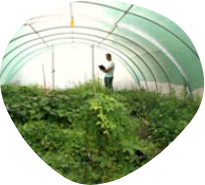 As soon as you place your order your plants are selected
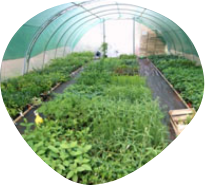 Each order is processed individually.
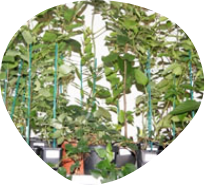 Plants are packed, staked and labeled.
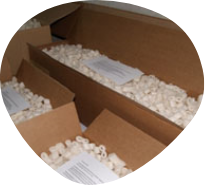 Packaging is carefully implemented to avoid any problems.
 Packages are ready to be shipped.
We ship our plants throughout Europe (excluding overseas territories and islands).
Avis clients


The Red Boskoop Apple Tree is a traditional fruit variety producing large red apples with firm, aromatic, slightly tart flesh. Hardy, productive, and long-lived, it is ideal for orchards and family gardens.
Your cart is empty
Continue shopping