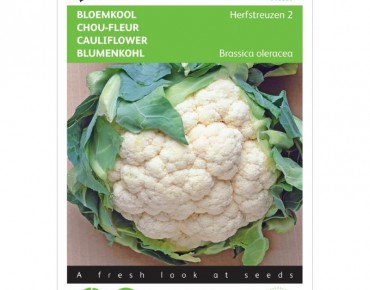


Easter Rose Radish
Raphanus sativus
Easter Rose Radish: an early, crisp and mildly peppery radish with a beautiful pink colour. Easy to grow, fast‑producing and ideal for productive gardens from spring to autumn.
Description
Easter Rose Radish – Raphanus sativus
Introductory Summary
The Easter Rose Radish is a vigorous heirloom variety of winter-type radish, particularly prized for its rapid growth from the first spring mild spells. This root vegetable stands out for its elongated shape (up to 15 cm) and its bright, vibrant rose-pink skin, which brings an incomparable touch of colour to dishes and salads. Its white flesh is both crunchy and juicy, offering a balanced flavour between sweetness and piquancy. It is the ideal crop for impatient gardeners who wish to achieve an abundant and tasty harvest as early as April.
Origins and Botanical Family
Geographical Origin
Radishes, in general, find their ancestral origins in Central Asia, but the specific selection of the "Easter Rose" is a well-established European tradition. This variety was stabilised by market gardeners seeking a vegetable capable of developing despite the coolness of the soil in early spring. It has become a symbol of the first harvests of the year, often marking the end of the winter period in family gardens.
Botanical Family
The Easter Rose Radish belongs to the Brassicaceae family, formerly known as Crucifers, along with cabbage, mustard, and rapeseed. Its scientific name, Raphanus sativus, designates a species cultivated for its tuberous root, of which the diversity of shapes and colours is immense. This botanical belonging gives it a great richness in sulphur compounds, responsible for its characteristic taste and digestive virtues.
Historical Particularities
Historically, this radish was traditionally sown to be consumed during Easter festive meals, hence its evocative name "Easter Rose". At a time when fresh vegetables were rare after winter, its ability to grow in record time made it a precious food resource. It has traversed the centuries without losing its popularity, remaining today a reference for lovers of heirloom, non-hybrid varieties.
Botanical Description and Characteristics
Adult Height and Habit
The plant presents a low rosette habit, with the foliage spreading at ground level before developing vertically. The leaves can reach a height of 15 to 20 centimetres, forming a dense bouquet above the root. This compact habit allows for close planting, thus optimising the available space in small vegetable patches or planters.
Foliage Description
The leaves are medium green, deeply lobed and slightly rough to the touch, typical of the Raphanus genus. Although the root is the main element, the foliage is vigorous and serves as a health indicator for the plant during its growth. These tops are perfectly edible and can be used in cooking to make soups or original pestos.
Other Morphological Particularities
The root of the Easter Rose Radish is of the semi-long type, ending in a fine taproot point. Its skin is thin, smooth and sports a very regular carmine-pink shade. Inside, the flesh is pure white and dense, devoid of woody fibres if harvested on time.
Sowing and Growing Conditions
Ideal Sowing Period
Sowing is carried out from the end of February under cover, or from March to June directly in open ground. A second sowing period is possible at the end of summer for an autumn harvest, taking advantage of the drop in temperatures. It is recommended to sow in stages every fortnight to guarantee continuous production throughout the season.
Ideal Germination Temperature
Radish germination is one of the fastest in the plant kingdom, starting as soon as the soil reaches 8°C to 10°C. However, a temperature between 15°C and 18°C allows for a lightning-fast emergence in just a few days. In case of high heat, germination can be disrupted, so it is preferable to favour the cooler periods of the calendar.
Emergence Time
Under optimal conditions of humidity and warmth, the first seedlings often appear in only 3 to 5 days. This speed is a major asset for marking the rows of other slow-growing vegetables sown simultaneously, such as carrots. Once emergence has occurred, growth is uninterrupted until the formation of the root.
Sowing Depth and Spacing
Seeds should be buried at a very shallow depth, about 1 centimetre, so as not to hinder the push of the stem. The ideal spacing is 3 to 5 centimetres between seeds in the row to allow for harmonious root development. The rows themselves should be spaced 15 centimetres apart to facilitate hoeing and watering.
Recommended Soil Type
This radish prefers a light, loose soil, especially free of stones which could deform its elongated root. A soil rich in humus but without freshly applied organic manure is ideal for obtaining tender radishes. Soil that is too heavy or compact risks slowing growth and making the flesh more fibrous.
Ideal Exposure
Exposure should be sunny in early spring to benefit from the warmth of the first sunbeams. However, as soon as temperatures rise, a semi-shade exposure is preferable to prevent the radishes from becoming too hot or spicy. Constant luminosity is necessary to prevent the foliage from bolting at the expense of the root.
Transplanting Method
Unlike other vegetables, radishes are not transplanted as this would damage their taproot and compromise the harvest. Sowing must therefore be carried out directly in the final location, in open ground or in a container. If the sowing is too dense, manual thinning is essential to keep only the most vigorous plants.
Water Requirements
Water requirements are regular and moderate; the soil must remain cool but never waterlogged. Irregular watering is the main cause of pithy or excessively spicy radishes, as the plant then undergoes hydric stress. A fine and frequent water supply, especially in dry weather, guarantees crunchy flesh and a mild flavour.
Maintenance and Monitoring
Earthing Up and Hoeing
Earthing up is not necessary for radishes, but regular hoeing between the rows helps to eliminate competition from weeds. This action also aerates the soil surface, facilitating the infiltration of rainwater and irrigation. Care must be taken not to disturb the young roots during these cleaning operations.
Disease and Pest Prevention
Flea beetles, small jumping beetles, are the main pest of the radish, piercing multiple small holes in the foliage. Maintaining a humid atmosphere through frequent misting is often enough to keep them away naturally. A garden fleece can also be used to protect young seedlings against cabbage root flies.
Harvest
Harvest Period
The harvest begins approximately 4 to 5 weeks after sowing, depending on the prevailing weather conditions. It is important to harvest radishes as soon as they reach their optimal size to prevent them from becoming woody or dry. This variety is particularly generous and allows for high-quality early harvests.
Recognising Maturity
Maturity is spotted when the shoulder of the radish begins to emerge slightly above the soil level. The diameter of the root should be about 2 centimetres for a length of 10 to 12 centimetres. If in doubt, a firm pressure test on the shoulder allows you to check that the root is indeed full and crunchy.
Average Yield
The yield of the Easter Rose Radish is excellent; a small sowing area can provide several bunches per week. Generally, about 2 to 3 kilograms of roots are counted per linear metre of well-managed culture. Sowing density directly influences the final size, hence the importance of thinning.
Storage Method
Once harvested, radishes are ideally stored in the refrigerator, placed in a container of water or wrapped in a damp cloth. It is strongly advised to cut off the tops immediately after harvest to prevent the root from softening. Eaten fresh, they retain all their crunch and nutritional qualities for 3 to 4 days.
Uses in the Garden
Where to Plant in the Vegetable Patch
Its speed of growth makes it an ideal candidate for filling empty spaces between slower crops like cabbage or tomatoes. It can also be grown in borders or in balcony planters thanks to its small footprint. It is a plant that easily integrates into any vegetable patch plan, even the most restricted.
Beneficial Plant Associations
Radishes associate perfectly with carrots, lettuces and spinach, sharing similar needs for surface moisture. It also appreciates the proximity of parsley or peas, which do not cast excessive shade. Conversely, avoid planting too close to other Brassicaceae to limit the risk of cross-diseases.
Crop Rotation
It is advisable to wait at least two years before growing radishes on the same plot to prevent soil depletion. As it is a short crop, it can easily be followed by nutrient-hungry vegetables like squashes. It leaves the soil clean and loose, greatly facilitating the setting up of the next crop.
Culinary Uses
Flavour
The flavour of the Easter Rose Radish is renowned for its finesse, offering a very slight heat that does not mask the natural sweetness of the vegetable. Its flesh is very thirst-quenching, making it a healthy snack enjoyed by the whole family. The younger the radish is harvested, the more melting its texture and delicate its taste.
Ways to Cook
It is traditionally consumed raw, simply with a pinch of salt, a knob of butter and fresh bread. It can also be thinly sliced into mixed salads to provide crunch and colour. The tops should not be thrown away: they are delicious when cooked into a creamy soup or sautéed in a pan with a little garlic.
Tip or Typical Recipe
For an original presentation, you can coarsely grate them to garnish a rice bowl or a fresh sandwich.
Ecology, Curiosities and Assets
Ecological Interest
Radishes are an excellent plant for structuring the top layer of the earth thanks to their rapid root development. If left to flower, they attract many pollinating insects thanks to their small nectar-rich honey flowers. It is a precious ally for maintaining active biodiversity within your growing space.
Botanical Curiosity
Radishes have such rapid growth capacity that they are often used in schools to introduce children to the life cycle of plants. By observing the seed germinate in a few days, young gardeners immediately discover the mechanisms of photosynthesis. It is one of the few vegetables where one can literally see the plant change size from one day to the next.
Permaculture Cultivation
In permaculture, radishes are used as a catch crop, allowing for maximisation of the soil surface use without competition. It also serves as a bio-indicator of soil moisture: if the radish becomes too strong in taste, it means the water supply is insufficient. Its rapid decomposition, if not harvested, enriches the soil with fresh organic matter.
Why this vegetable deserves its place in the garden
The Easter Rose Radish is the guarantor of a successful start to the season, offering early harvests when the rest of the garden is barely awakening. Its ease of culture and visual beauty make it an essential variety for any gardener, beginner or experienced. Sowing this radish ensures a source of fresh vitamins and authentic gustatory pleasure from spring onwards.
Features
- Common name : Easter Rose Radish
- Category : vegetable
- Time to sow seeds : Sow directly in the ground from March to June, then again at the end of summer for an autumn harvest.
- Harvest : 4 to 5 weeks after sowing.
Specific References
- EAN13
- 3354120044183
Expédition & livraison
How does the delivery work?
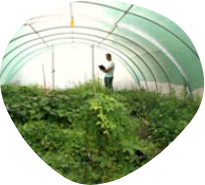 As soon as you place your order your plants are selected
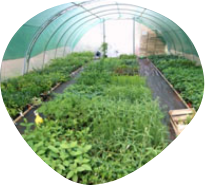 Each order is processed individually.
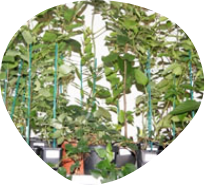 Plants are packed, staked and labeled.
 Packaging is carefully implemented to avoid any problems.
 Packages are ready to be shipped.
Our delivery methods
Shipping of our plants throughout Europe (except overseas and islands).





Customer reviews
Nobody has posted a review yet
in this language