Golden Bantam Sweet Corn — Zea mays
Introductory summary
Golden Bantam Sweet Corn is a heritage variety of Zea mays prized for its yellow, tender and sweet kernels that deliver a classic, buttery flavor when eaten fresh. The variety produces medium‑sized ears with well‑filled rows of kernels, ideal for fresh eating, home canning and quick cooking. Golden Bantam is popular in home gardens because it combines easy cultivation, relatively early maturity and excellent taste, making it suitable for both novice and experienced growers. The plants perform well in deep, fertile, well‑drained soils and require adequate warmth and water during kernel development. In the kitchen, kernels retain sweetness after brief cooking and are excellent grilled, boiled or preserved for winter use.
Origins and botanical family
Geographic origin
Golden Bantam is a traditional North American variety introduced in the early 20th century and valued for its sweet flavor. It played a key role in popularizing sweet corn in home gardens.
Botanical family
Belongs to the Poaceae family, genus Zea, which includes cultivated cereals. As a cereal crop, corn shares agronomic needs with other grasses such as light, warmth and fertility.
Historical and local notes
Golden Bantam is often regarded as a classic garden variety and remains prized by enthusiasts of heirloom flavors and traditional cultivars.
Botanical description and characteristics
Mature height and habit
Plants typically reach 1.5–2.0 m in height and display an upright habit with sturdy stalks. This erect growth supports well‑formed ears and facilitates harvest.
Foliage
Leaves are long and ribbon‑like, providing efficient photosynthesis and partial soil shading to reduce evaporation. Healthy foliage supports even kernel fill and reduces stress during dry periods.
Inflorescence and kernels
Corn is monoecious with male tassels at the top and female ears along the stem. Golden Bantam ears commonly have 8–12 rows of yellow, juicy and sweet kernels with a tender texture at the milk stage.
Sowing and growing conditions
Ideal sowing period
Sow outdoors after the last frost when soil is warm, typically from late April to June depending on region. Staggered sowing every two weeks extends the harvest window and spreads workload.
Germination temperature
Germination is optimal between 15 and 25 °C; cooler soils delay emergence and increase rot risk. Warm seedbeds promote rapid and uniform emergence.
Time to emergence (days)
Emergence usually occurs within 7–14 days depending on temperature and soil moisture. Well‑prepared, warm seedbeds improve seedling vigor and uniformity.
Sowing depth and spacing
Sow at 3–5 cm depth; space plants 20–30 cm within rows and 70–90 cm between rows to ensure good ear development and air circulation. Proper spacing reduces competition and promotes full kernels.
Soil type recommended
Prefer deep, fertile, well‑drained soils enriched with organic matter to support vigorous growth. A neutral to slightly acidic pH (6.0–7.0) favors nutrient uptake.
Exposure ideal
Full sun is essential for optimal photosynthesis and kernel sweetness. Sheltered sites reduce lodging risk and improve pollination success.
Thinning method
Thin dense stands at emergence to keep the most vigorous plants and respect recommended spacing. Thinning improves light penetration and air flow, enhancing ear quality.
Water needs
Provide regular deep watering during growth and especially during kernel formation; avoid water stress at flowering and grain fill. Excessive late‑season moisture can impair storage quality.
Maintenance and monitoring
Pruning or pinching
Corn does not require pruning, but remove diseased or weak plants to concentrate resources on healthy specimens. Keeping the soil clean around stalks limits weed competition.
Staking if useful
Staking is uncommon, but wind protection may be useful in exposed areas to prevent lodging. Hedges or nets can reduce mechanical damage.
Disease and pest prevention
Practice crop rotation, avoid prolonged monocultures and encourage diversity to limit pests and diseases. Use preventive cultural measures: shallow soil work, destruction of infected residues, healthy seed and biological insect control.
Harvest
Harvest time after sowing (days)
Harvest for fresh eating typically occurs 60–90 days after sowing depending on sowing date and climate. Exact timing depends on variety maturity and summer temperatures.
How to recognize maturity
Kernels are ready when the silk turns brown and dry and a pierced kernel releases a milky liquid. Harvesting when kernels are full and juicy ensures tender texture and optimal sweetness.
Average yield per plant or per m²
Yield varies with fertility and care; in home gardens 1–2 ears per plant of good size are common under favorable conditions. Appropriate density and nutrition optimize yield per m².
Post‑harvest handling
Consume fresh for best flavor; for storage blanch briefly then freeze or can after short cooking. Sweet corn stores poorly at room temperature; refrigeration extends freshness for 2–3 days.
Garden uses
Where to place in the vegetable patch
Plant Golden Bantam in the center of the vegetable plot to take advantage of its height and create beneficial microclimates. Avoid low, wet sites that delay maturity and increase disease pressure.
Beneficial plant associations
Fits well in the traditional “three sisters” combination with beans and squash, where beans fix nitrogen and squash cover the soil. Aromatic herbs at the edges can help deter pests.
Crop rotation advice
Do not plant corn in the same spot year after year; alternate with legumes and root crops to restore fertility. Compost application before the next crop helps rebuild organic matter.
Culinary uses
Flavor
Popped or cooked kernels offer a sweet, buttery flavor and a tender, melting texture when harvested at the milk stage. This classic taste makes Golden Bantam a favorite for fresh consumption.
Ways to cook or preserve
Brief boiling, grilling or roasting preserves sweetness; blanching and freezing is ideal for later use. Kernels are also suitable for salads, side dishes and canning.
Tip or typical recipe
Simple tip: grill ears until lightly charred, brush with olive oil and finish with butter and chopped parsley to enhance natural sweetness.
Ecology, curiosities and strengths
Ecological interest
Corn supports biodiversity when grown in association and can provide shelter for many beneficial insects. Well‑managed corn cultivation fits into diversified agroecological systems.
Anecdote or curiosity
Golden Bantam is celebrated for its authentic heirloom flavor and status as a classic sweet corn variety, cherished by gardeners who favor traditional tastes. This reputation makes it a popular choice for flavor‑focused growers.
Permaculture, balcony or greenhouse culture
Suitable for permaculture guilds with legumes and groundcovers; dwarf varieties can be grown in large containers on balconies and greenhouse culture can advance the season.
Final note
Golden Bantam Sweet Corn is an excellent choice for gardeners seeking authentic flavor, easy cultivation and culinary versatility. The variety yields tasty ears for fresh use and preservation.
(Pack of 8 grams for 5M²)



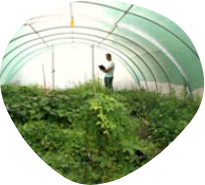 As soon as you place your order your plants are selected
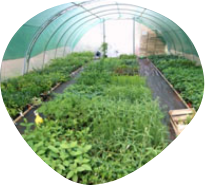 Each order is processed individually.
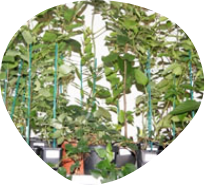 Plants are packed, staked and labeled.
 Packaging is carefully implemented to avoid any problems.
 Packages are ready to be shipped.